John as Lord of Ireland and King of England - Anglo-Irish Hammered Farthings
King John's Anglo-Irish Farthings
John "Lackland" was the first ruler to authorise the production of Anglo-Irish coins to the same weight and fineness as those of England. During his time as Lord of Ireland and later as King of England, two distinct series of farthings were struck exclusively for use in Ireland.
Although both coinages belong to the same ruler, they differ greatly in design, inscriptions, and historical significance. Together they illustrate John's rise from Lord of Ireland to King of England and provide a fascinating insight into medieval Irish coinage.
More than 120 examples are known today, although contemporary forgeries are more common than genuine specimens.
John as Lord of Ireland
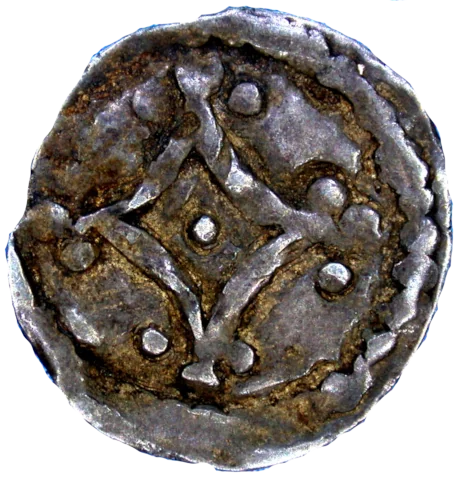
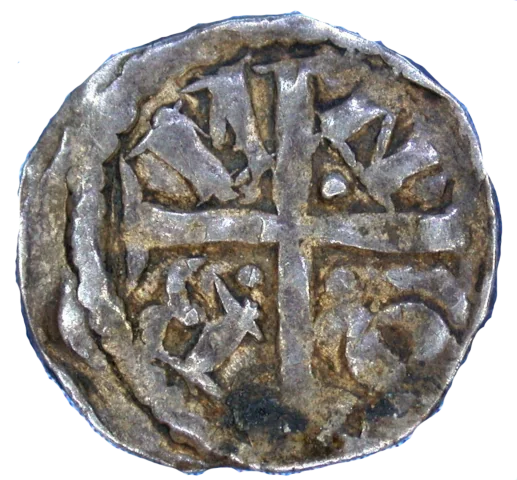
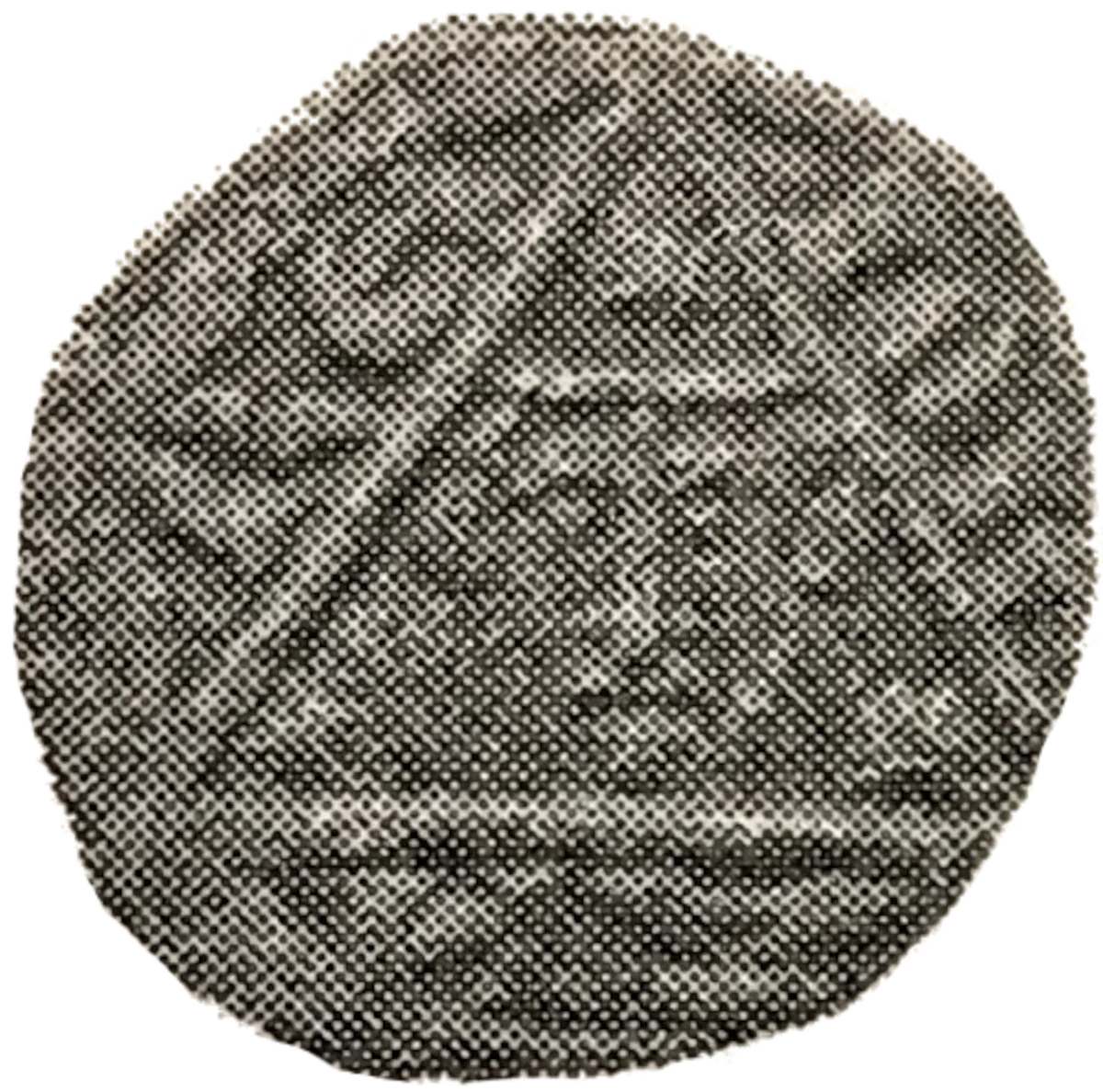
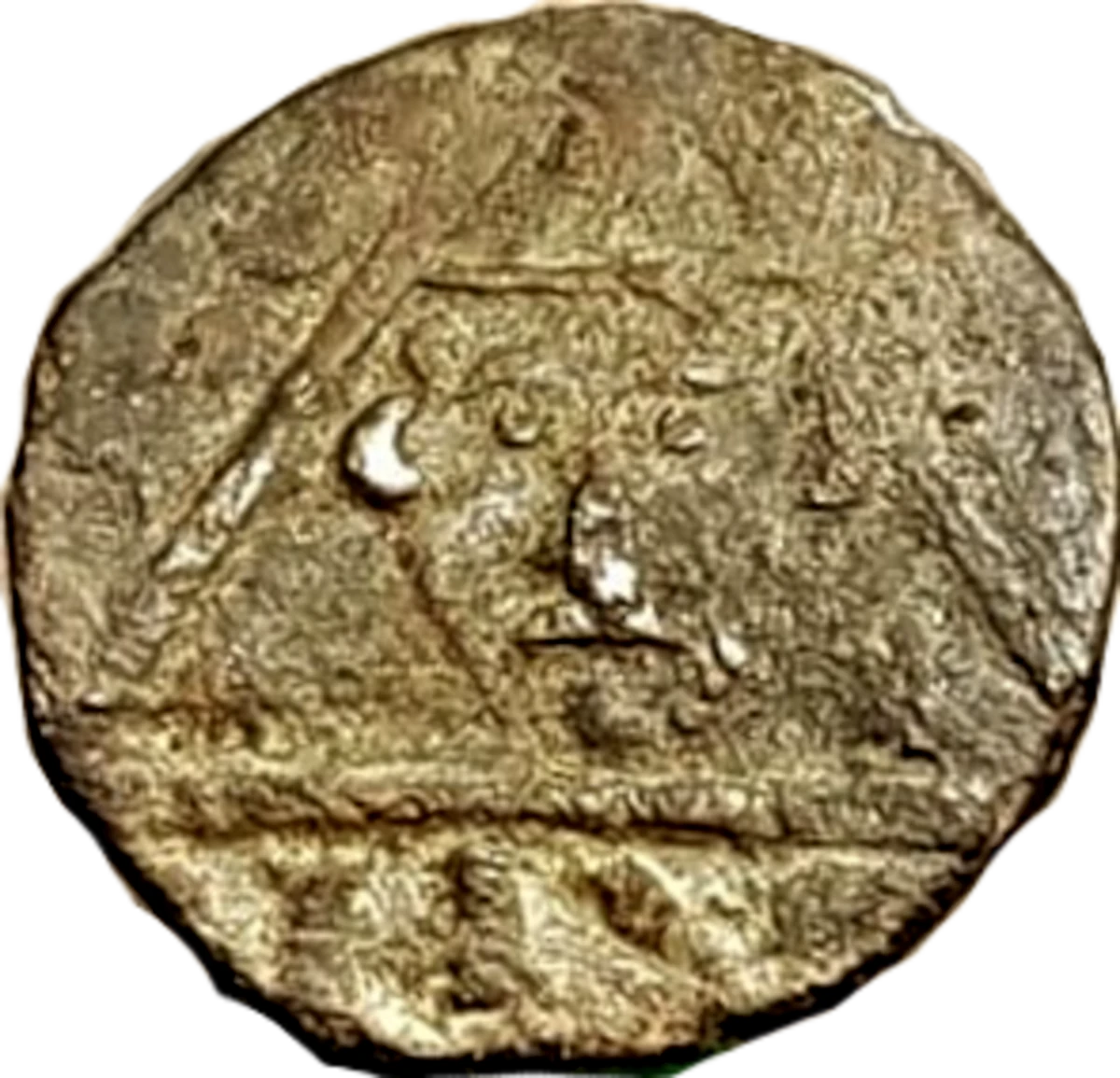
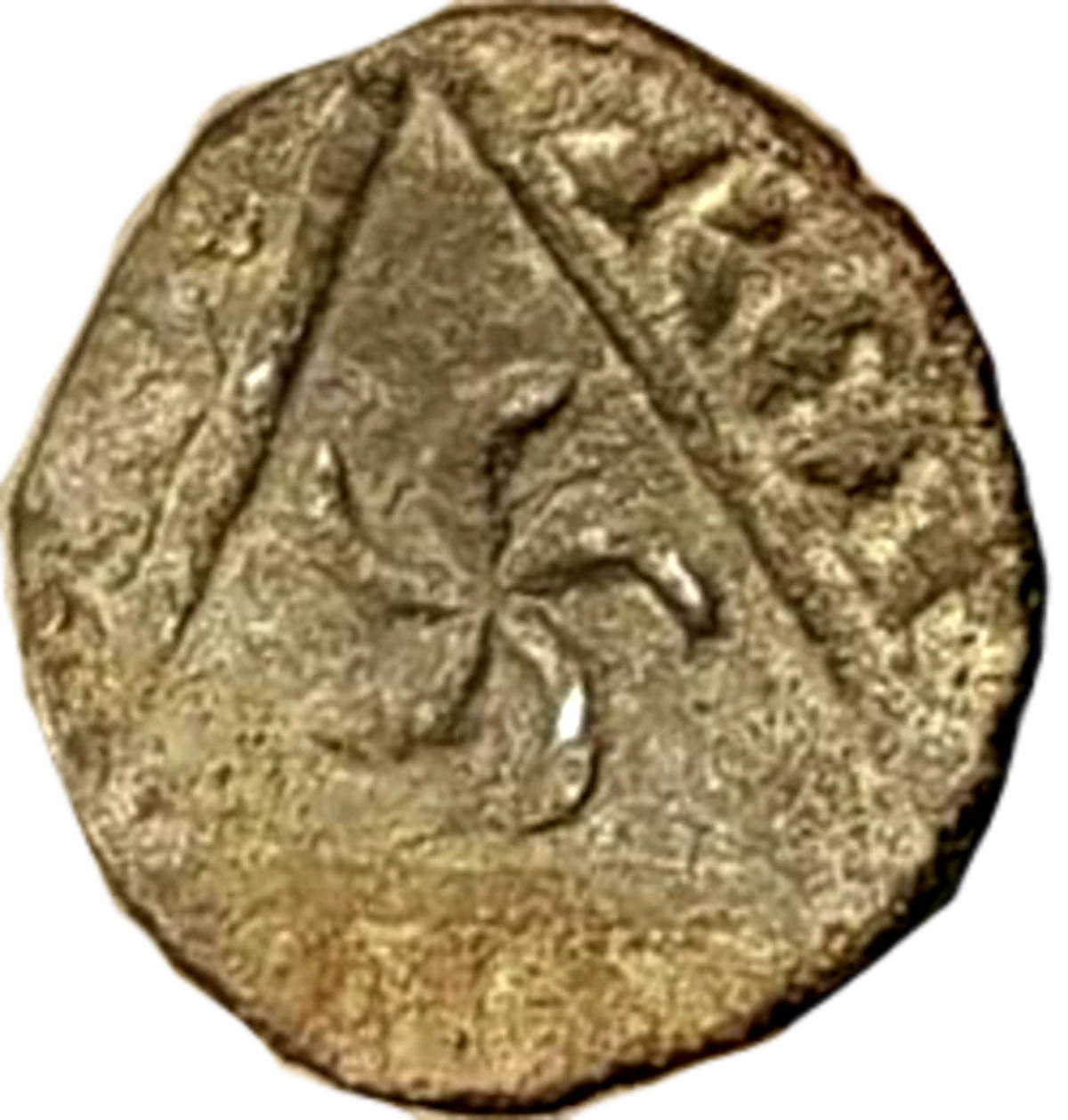
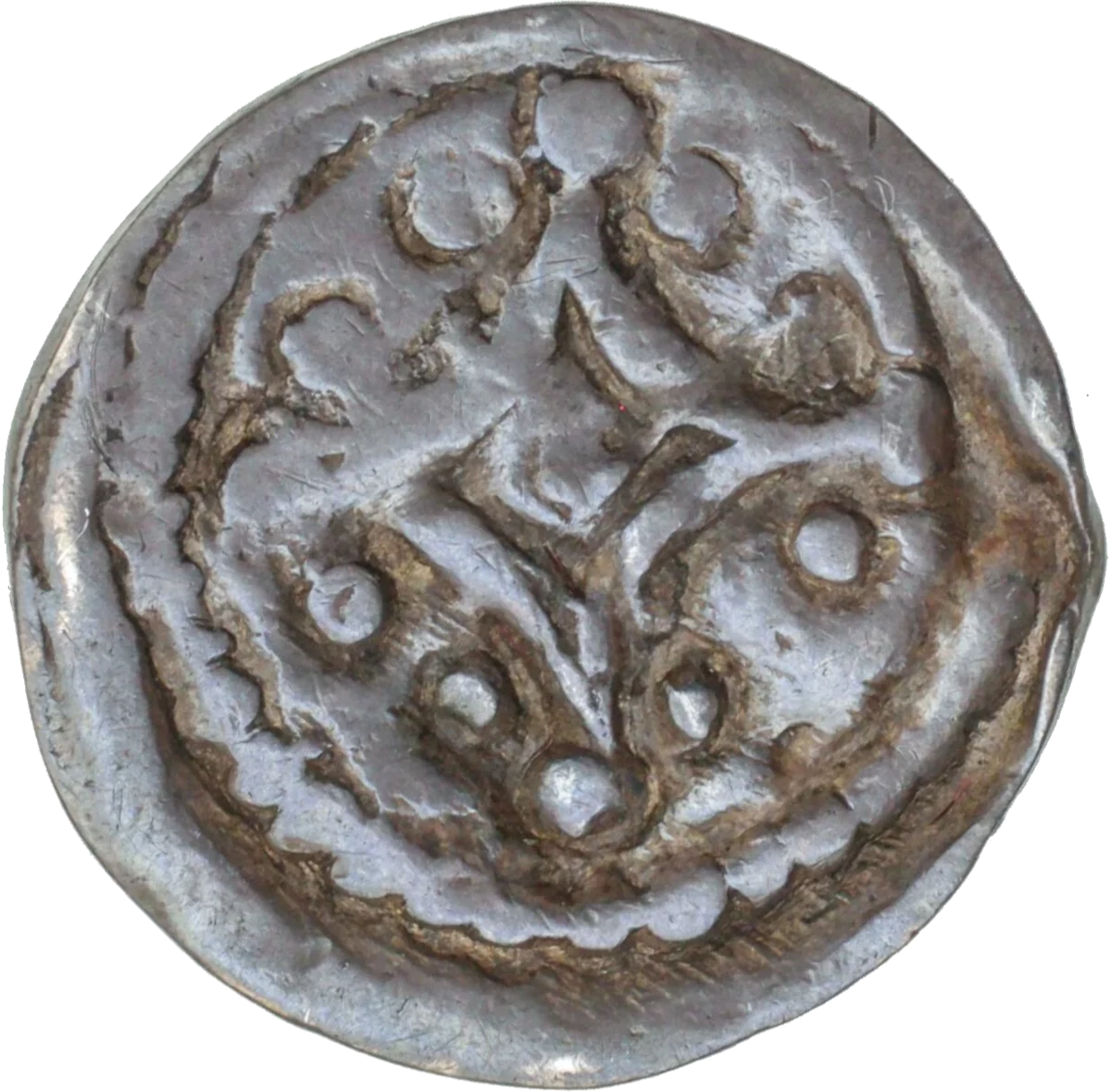
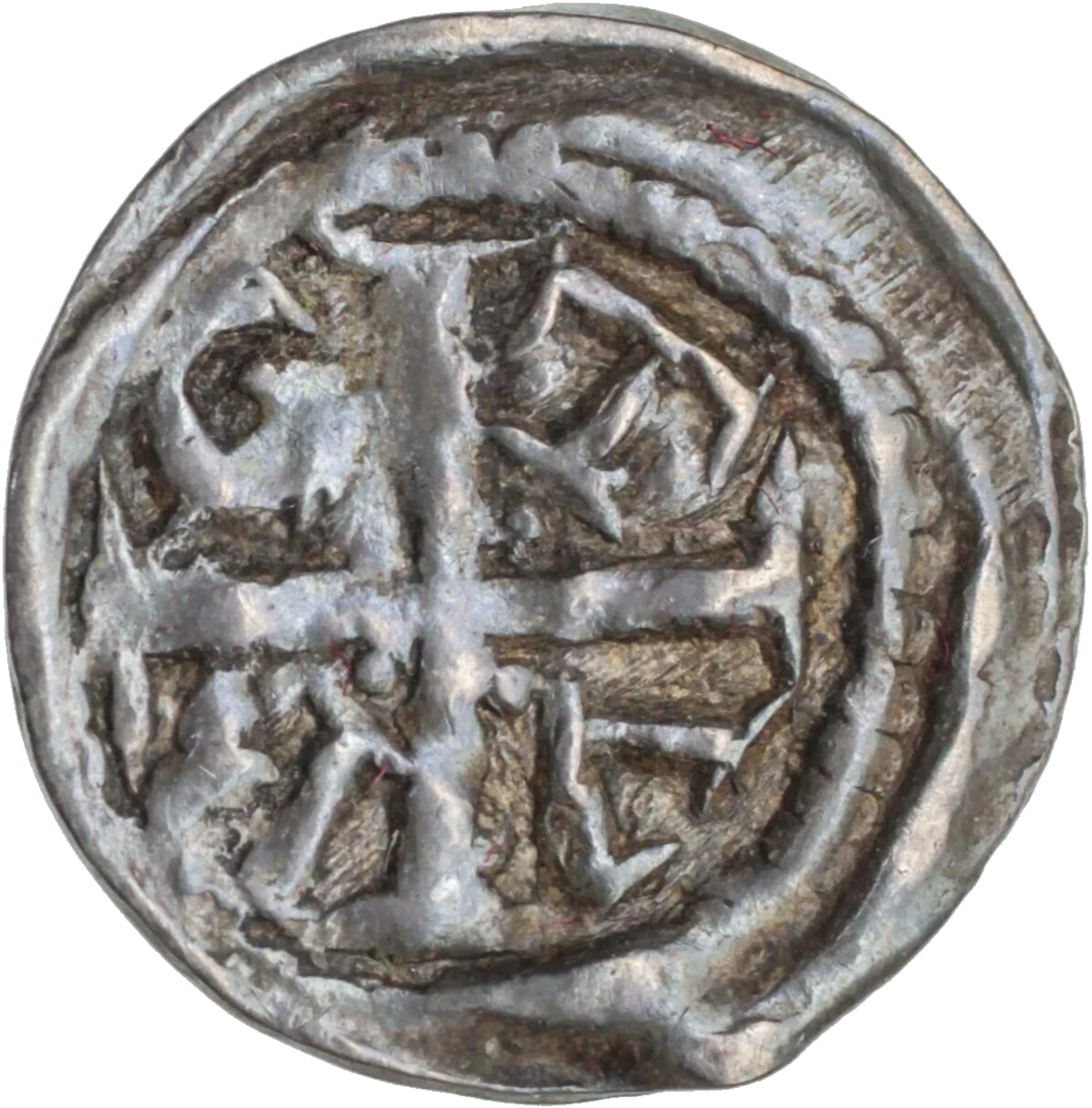
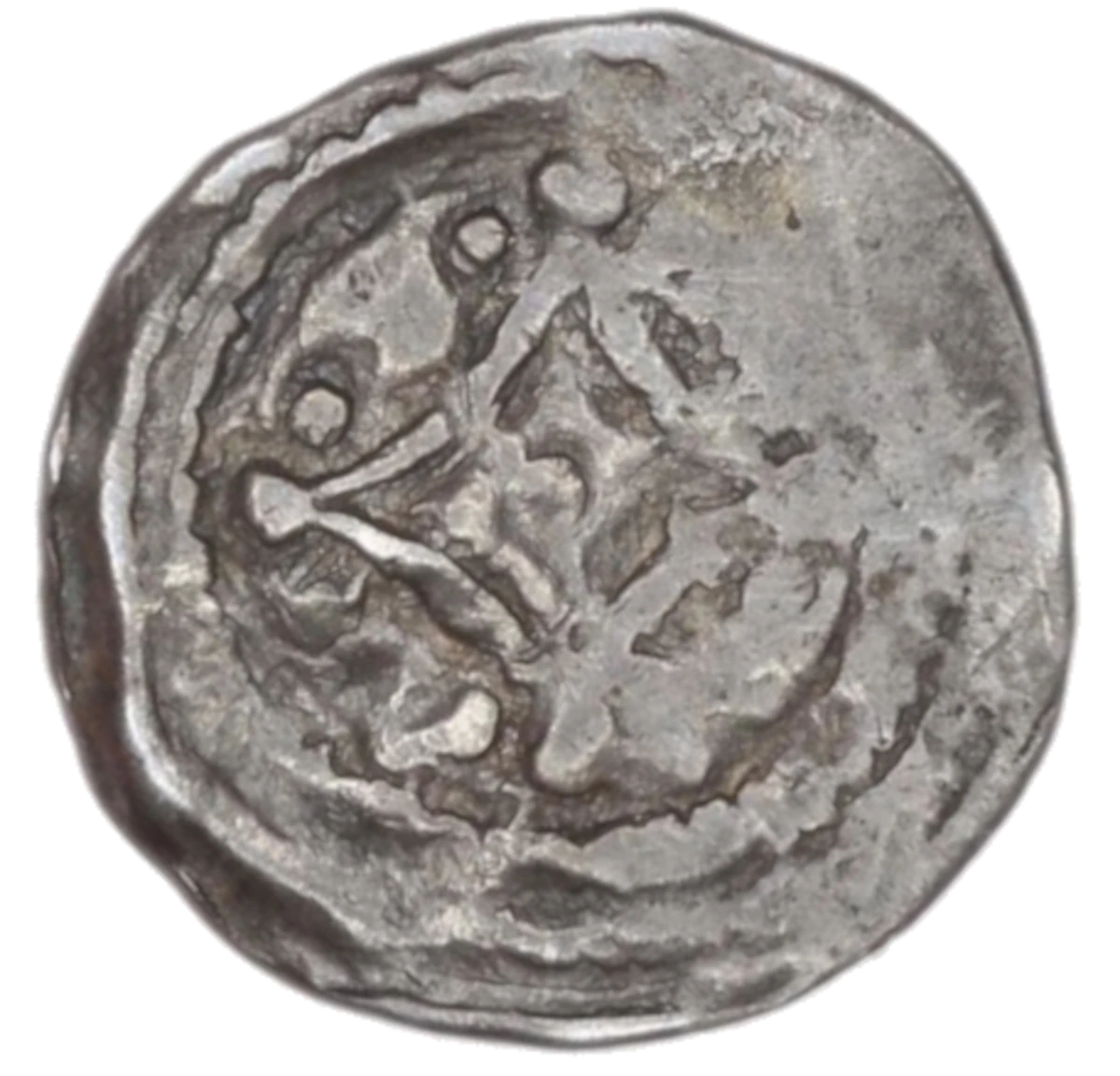
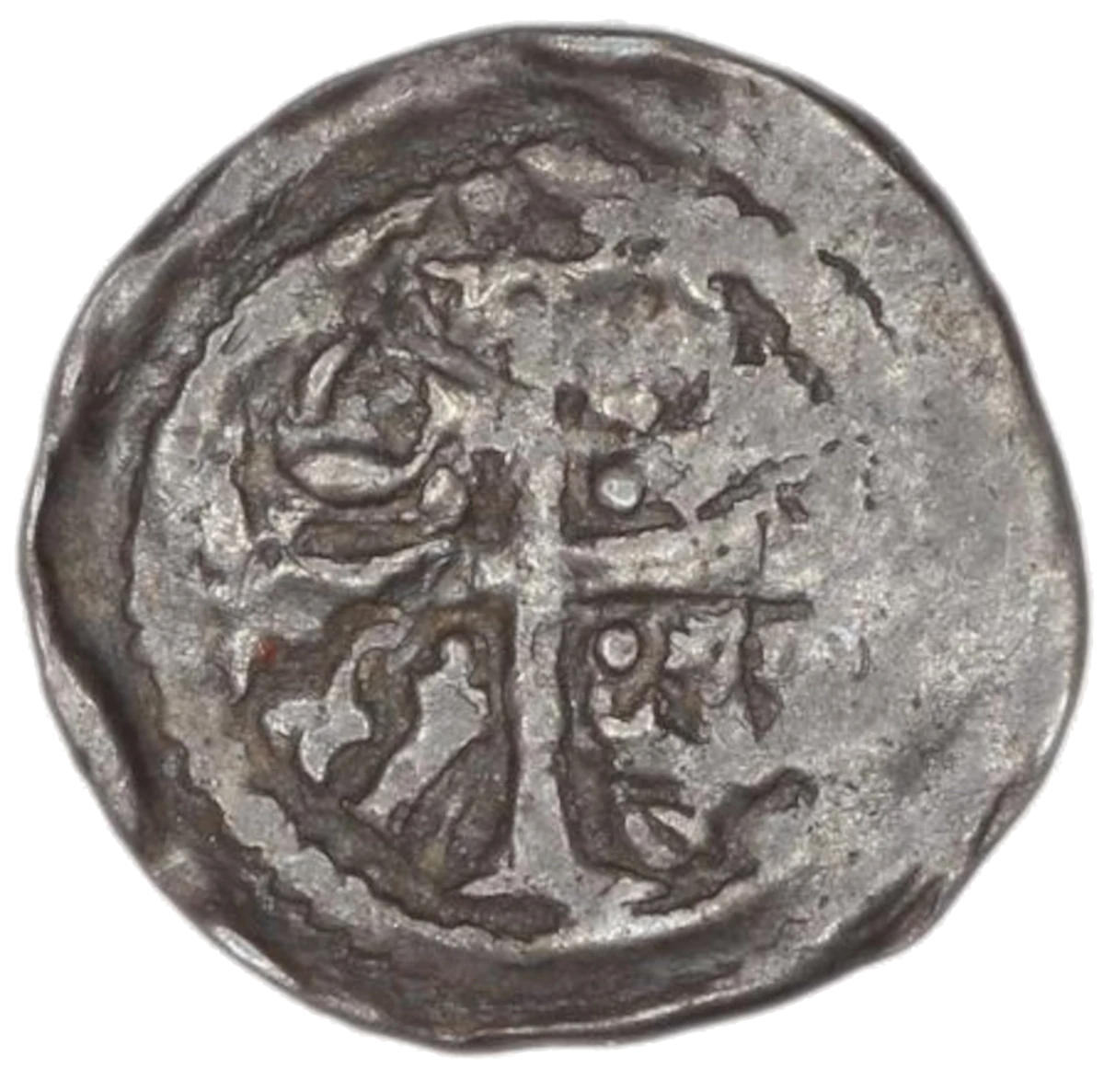
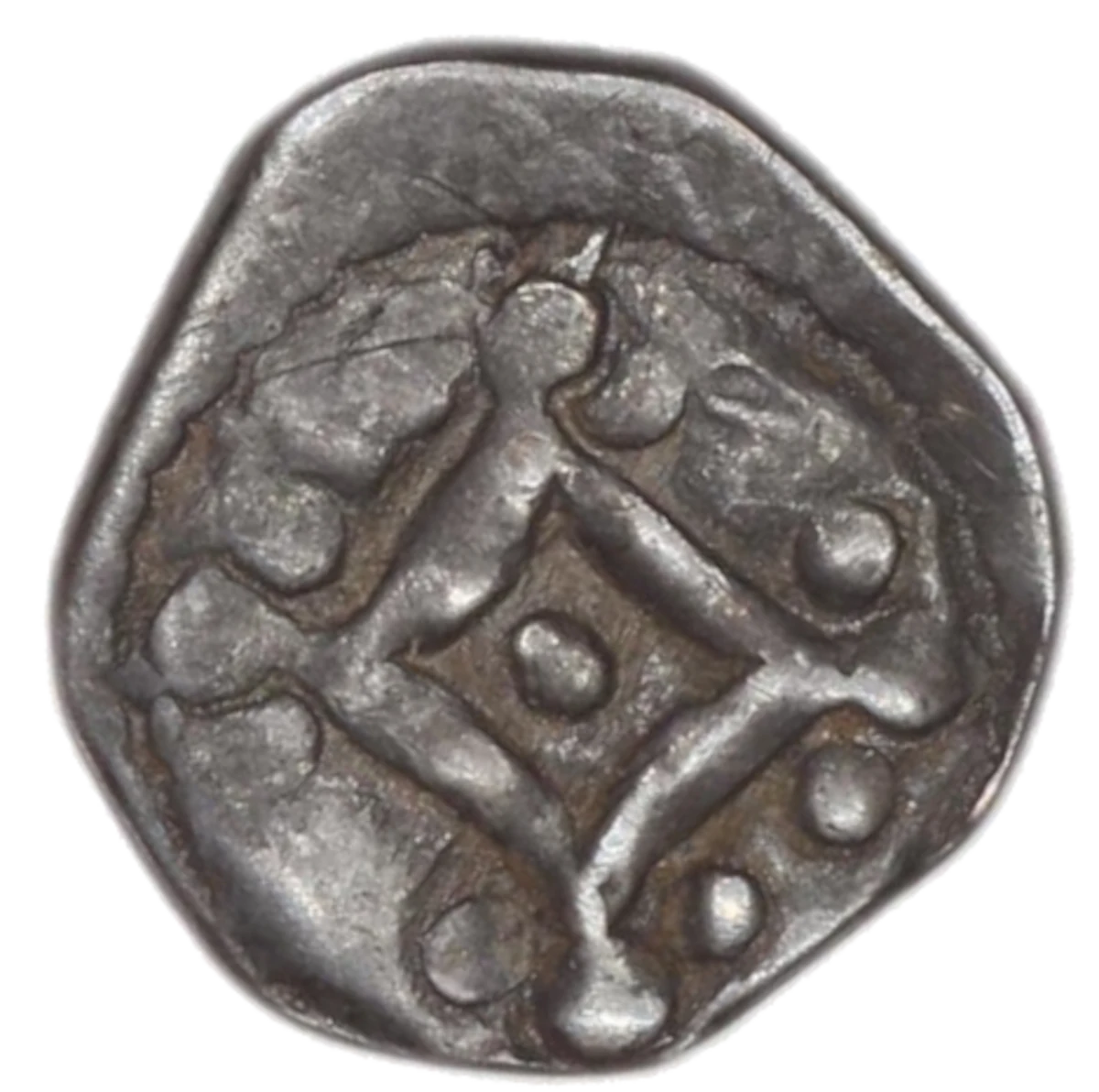
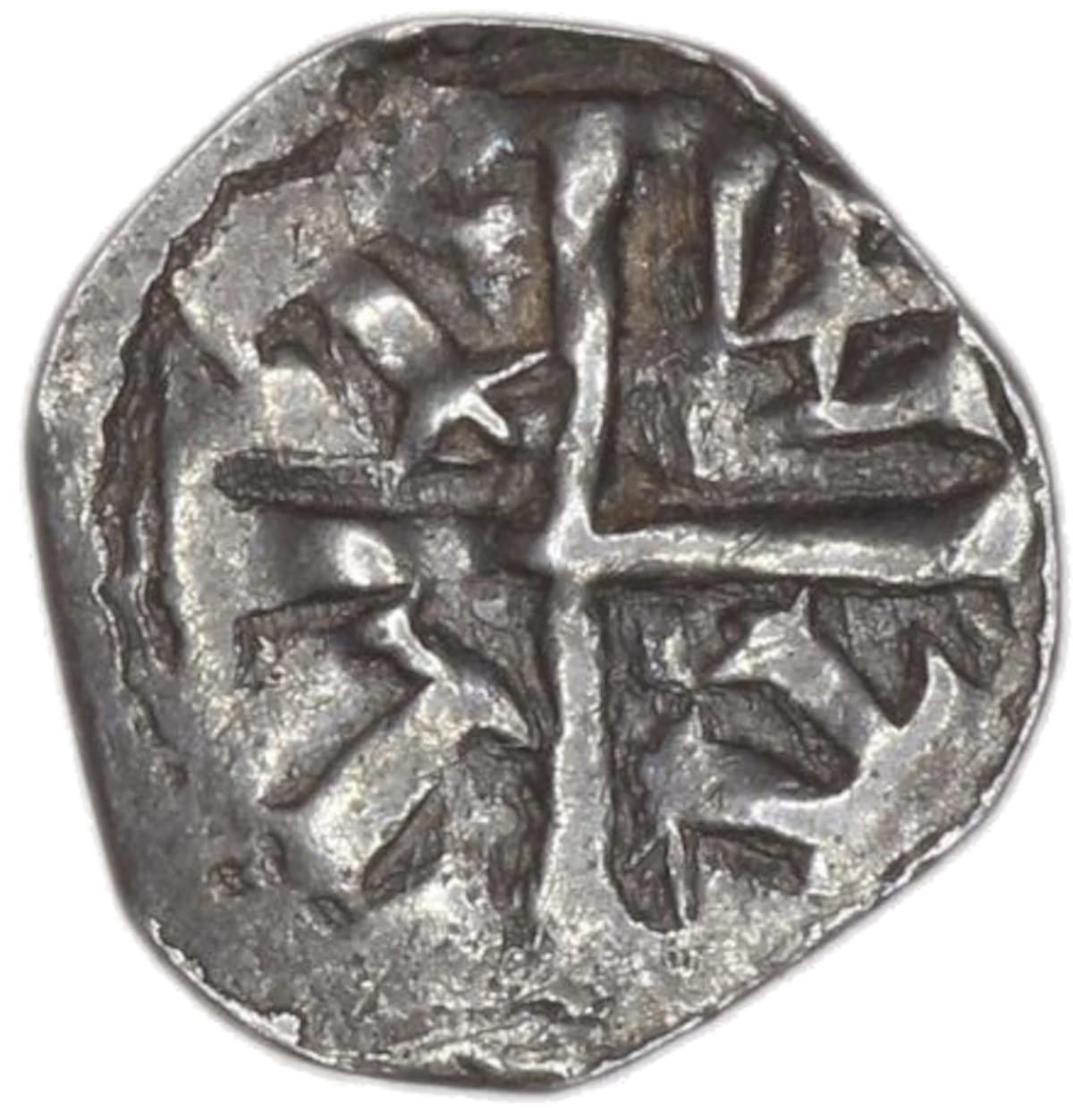
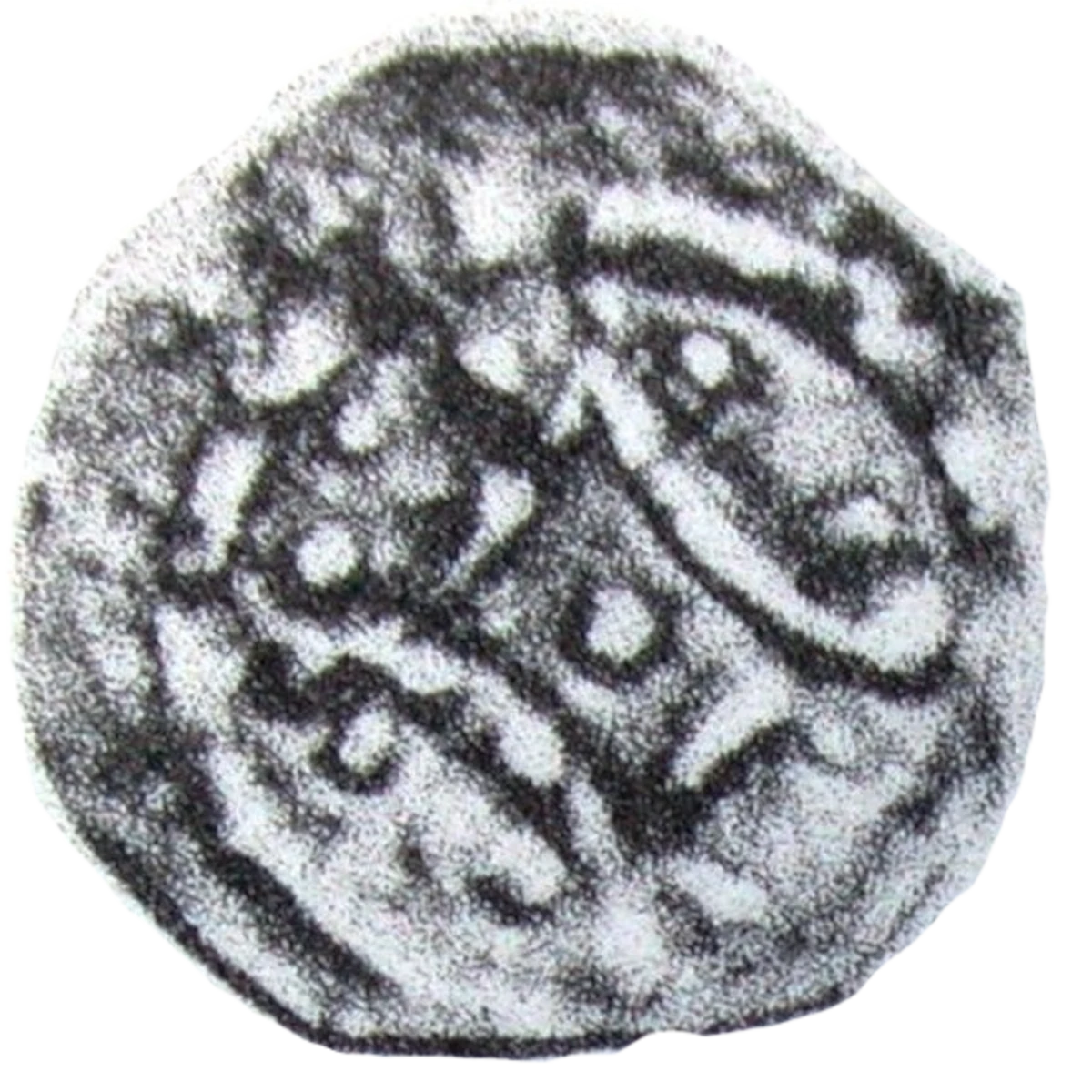
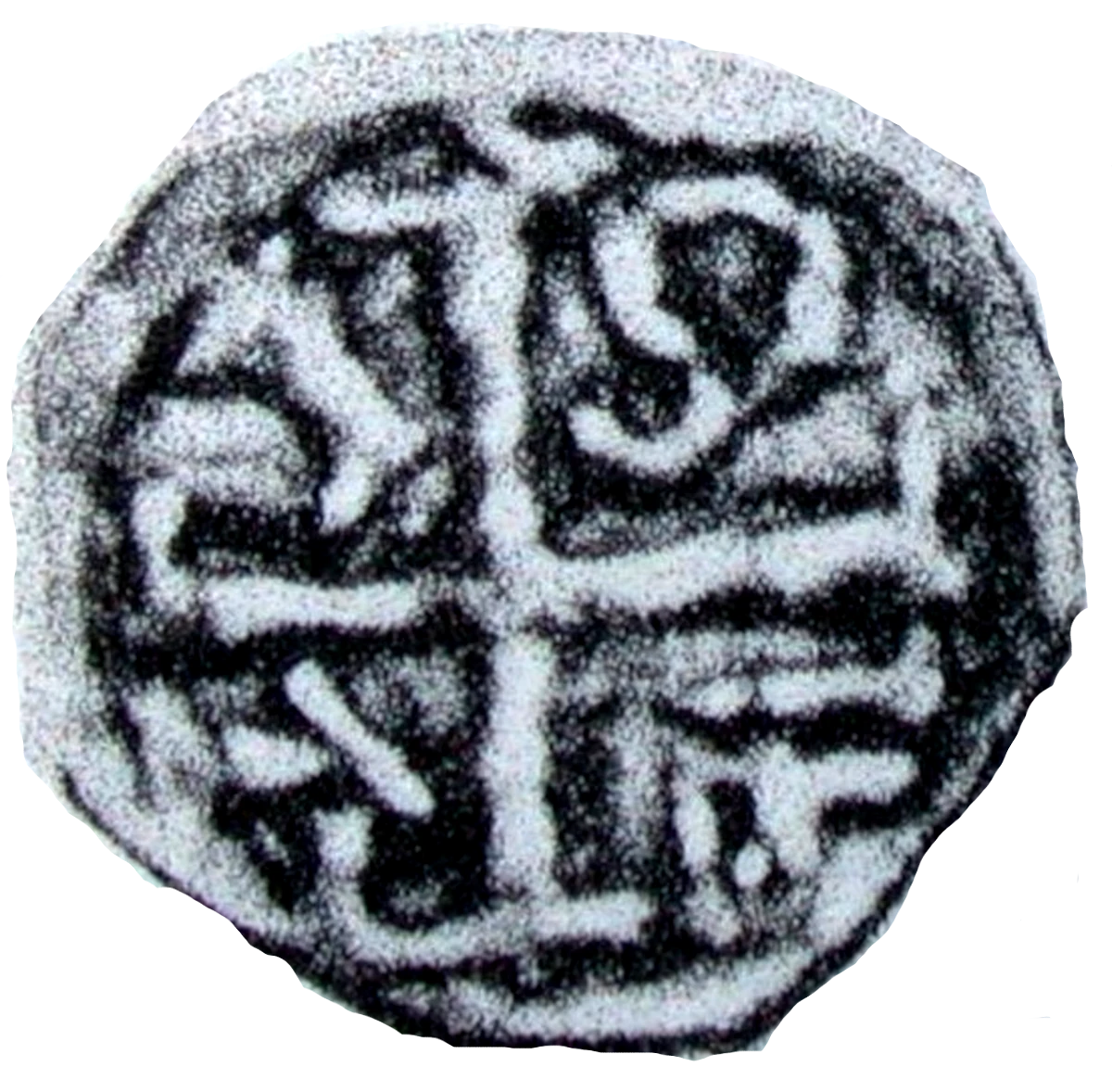
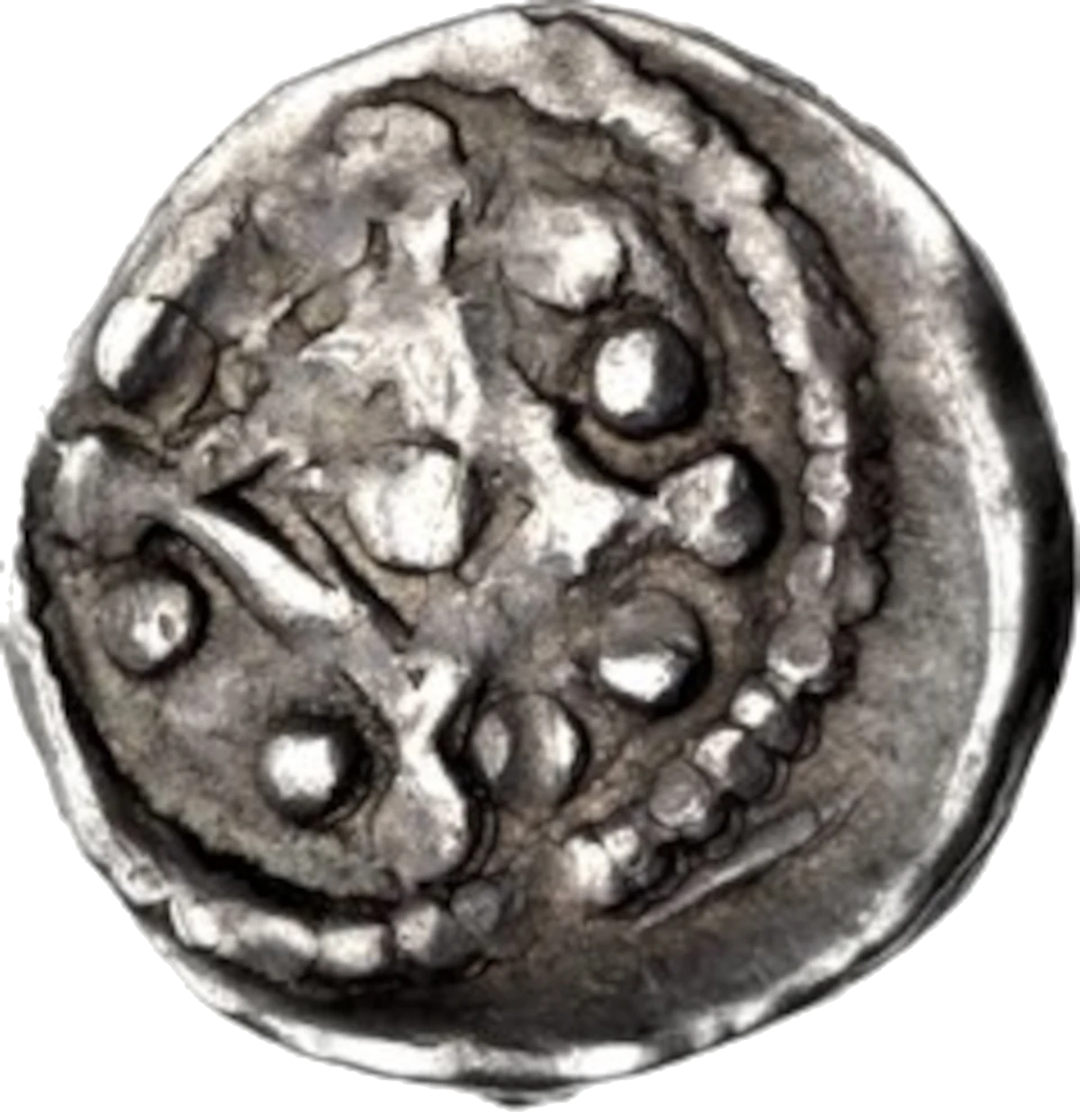
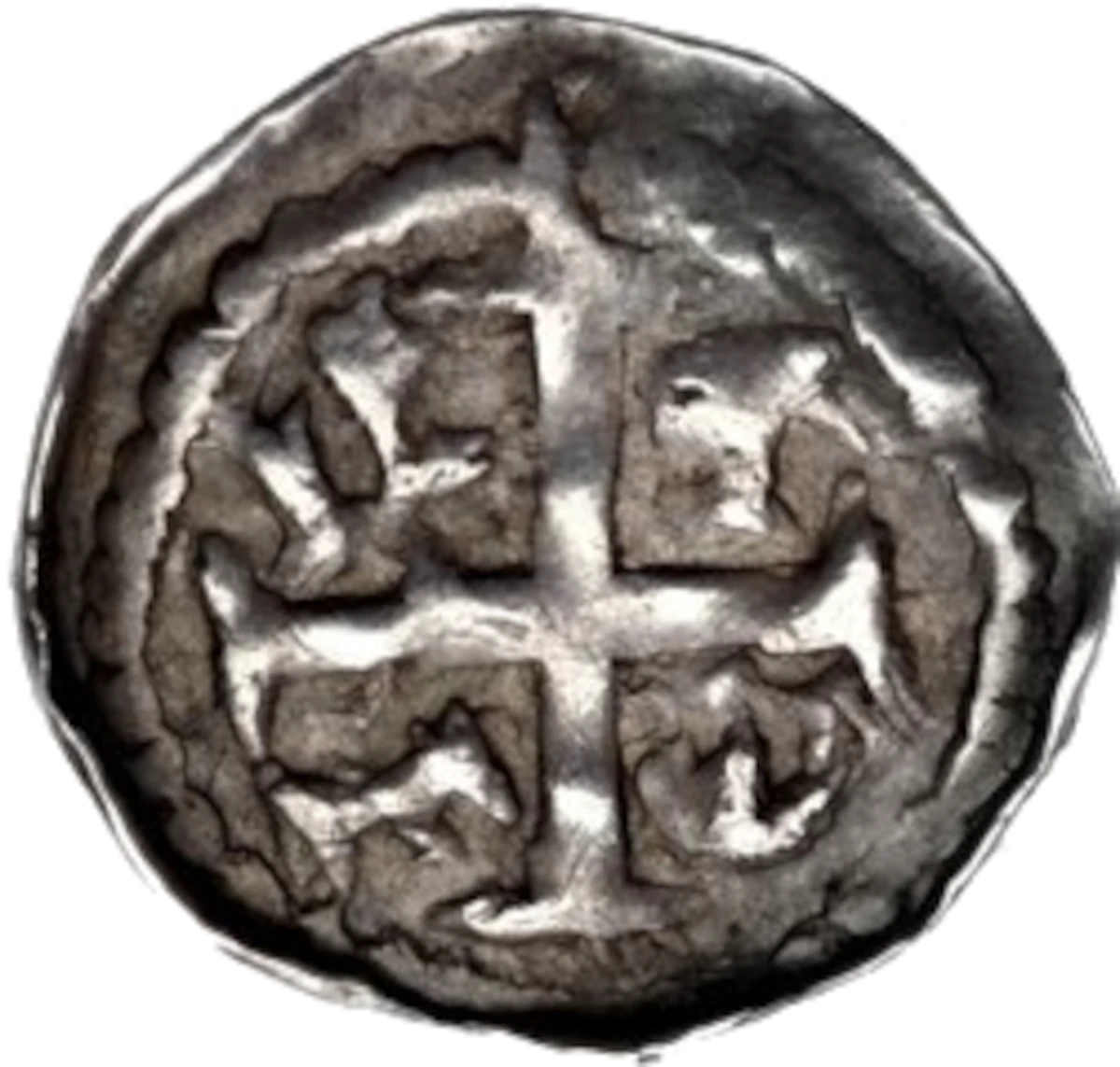
"Mascle" Farthings (1190–1198)
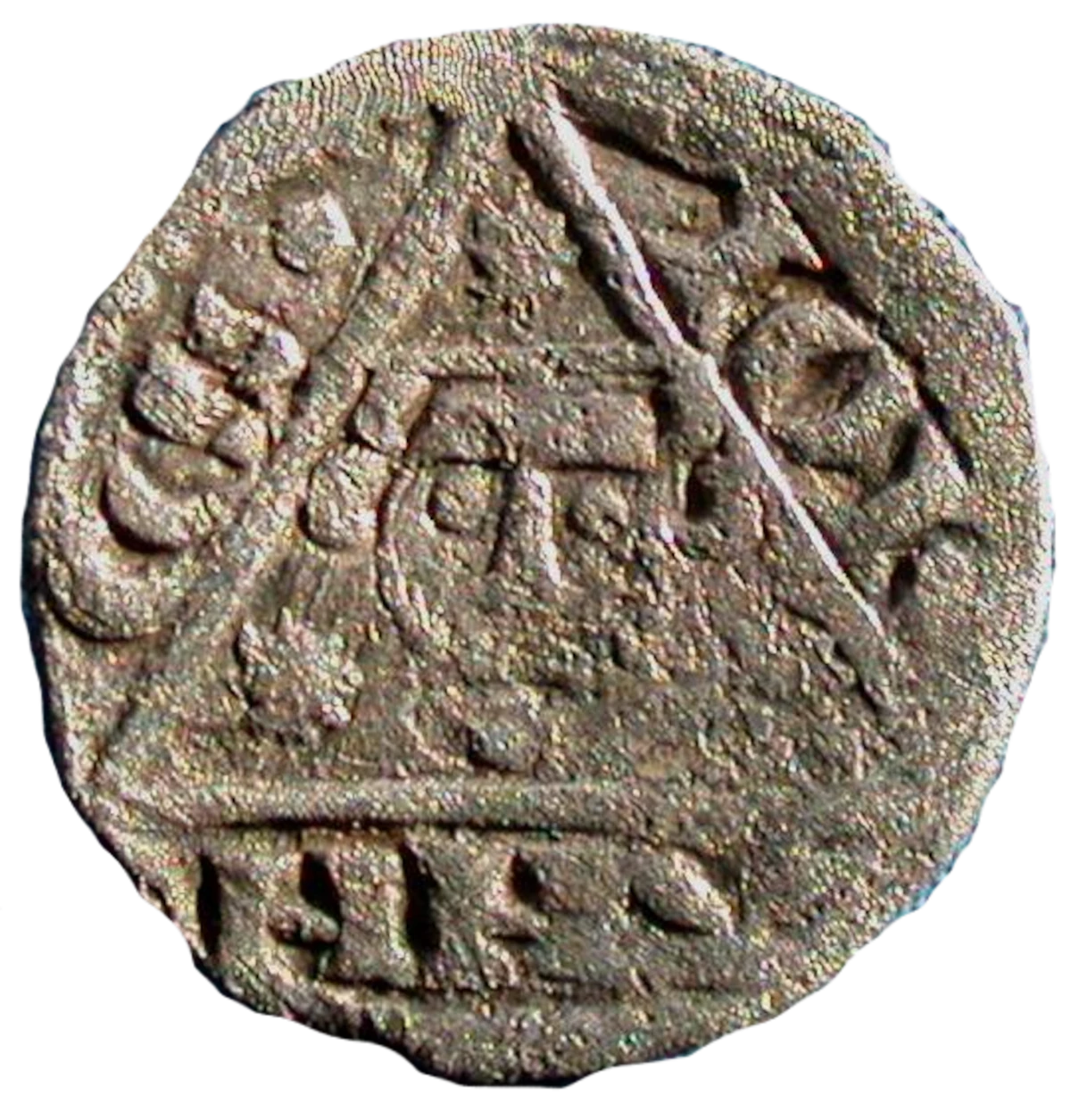
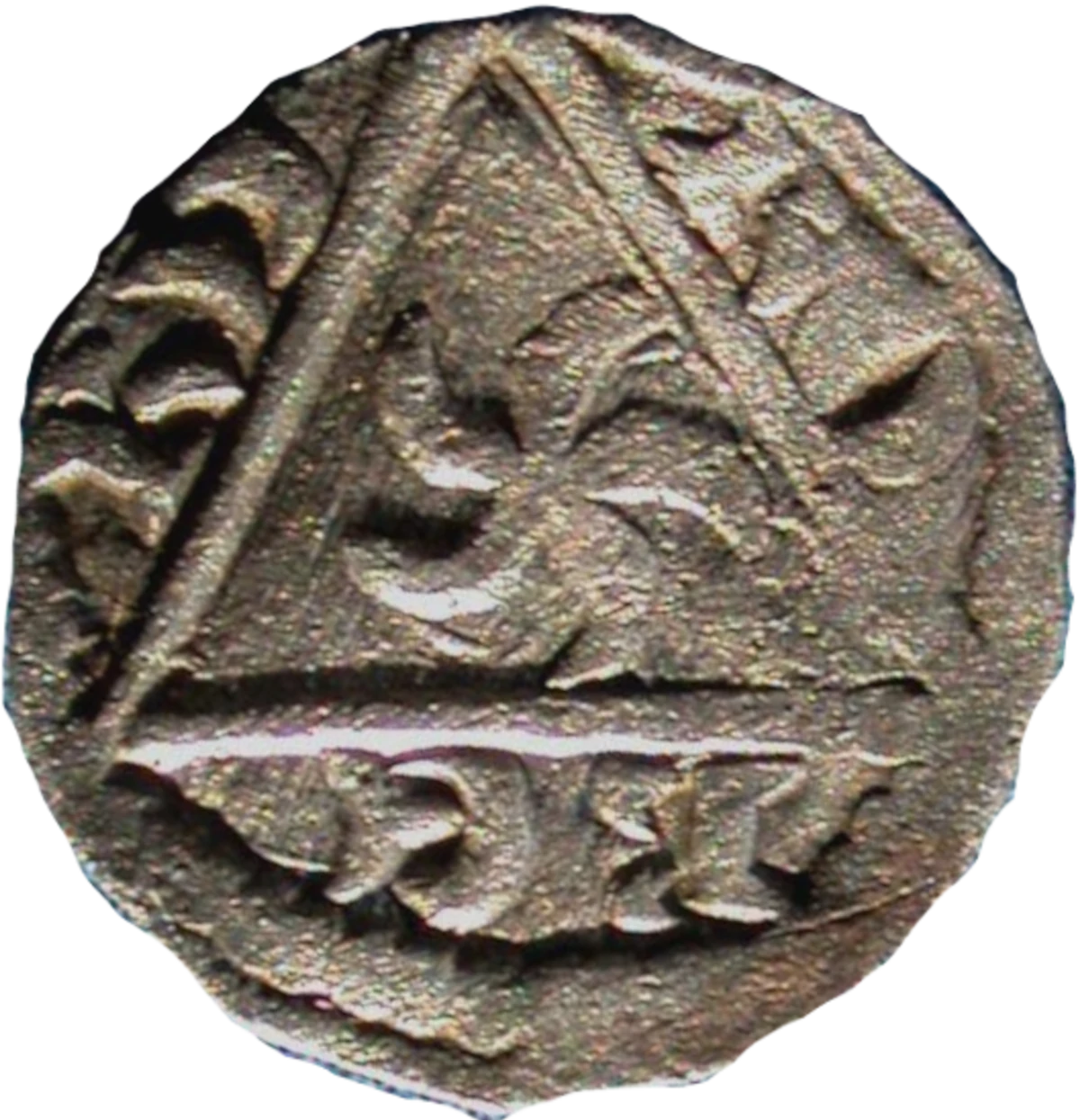
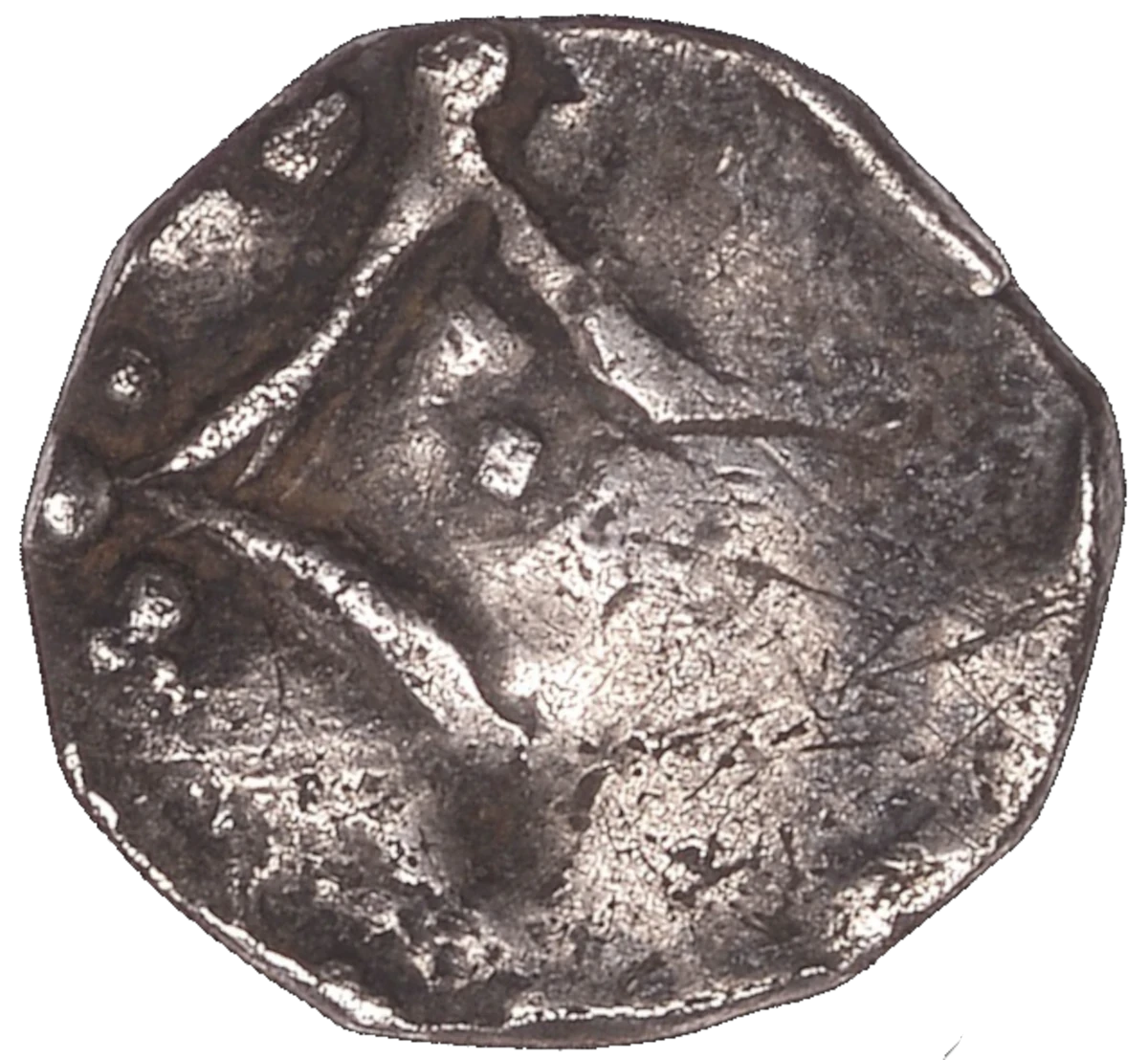
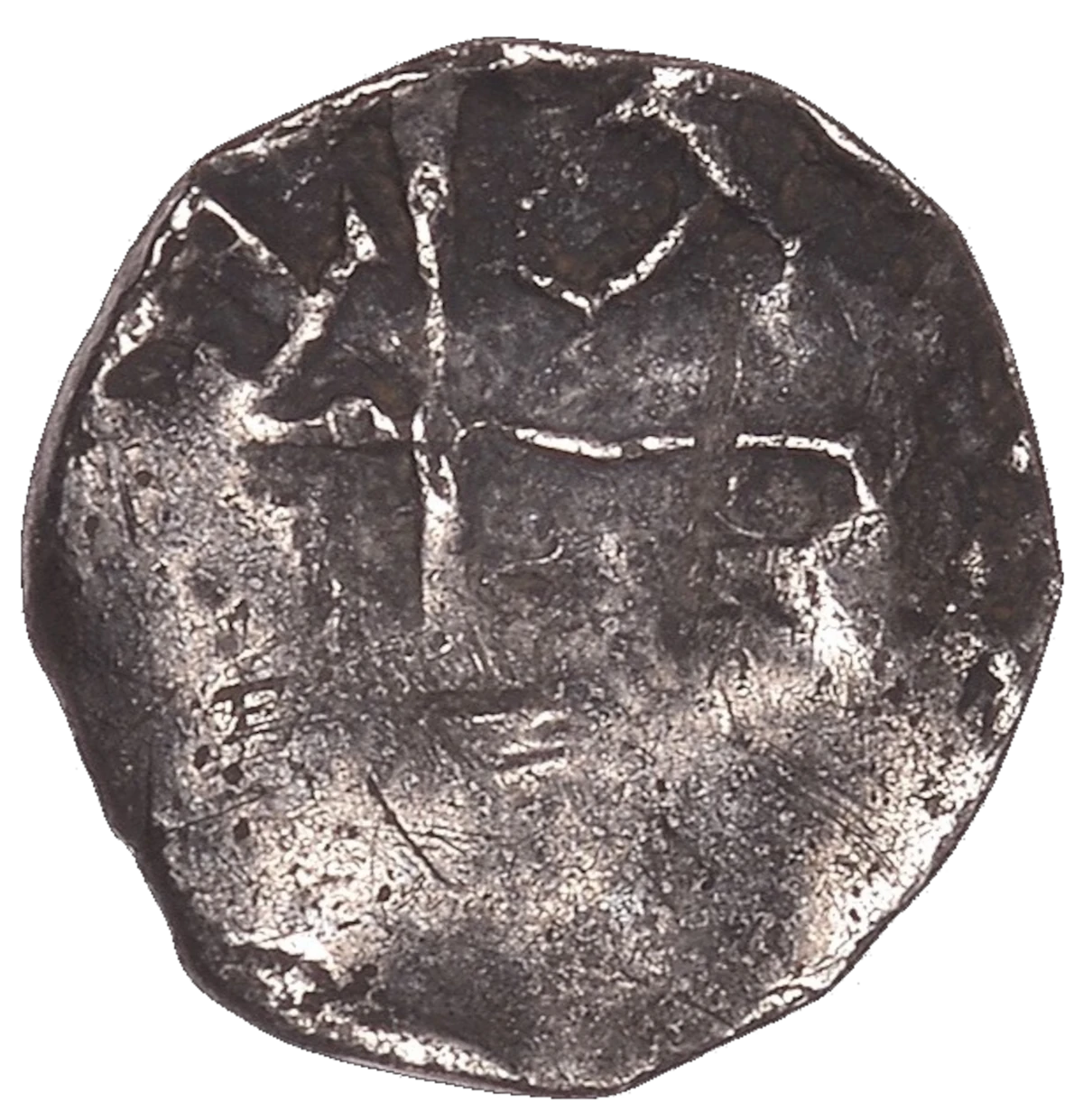
Featuring a distinctive mascle design and omitting John's name entirely, these rare farthings were struck at Dublin, Waterford, and Limerick while John was still Lord of Ireland.
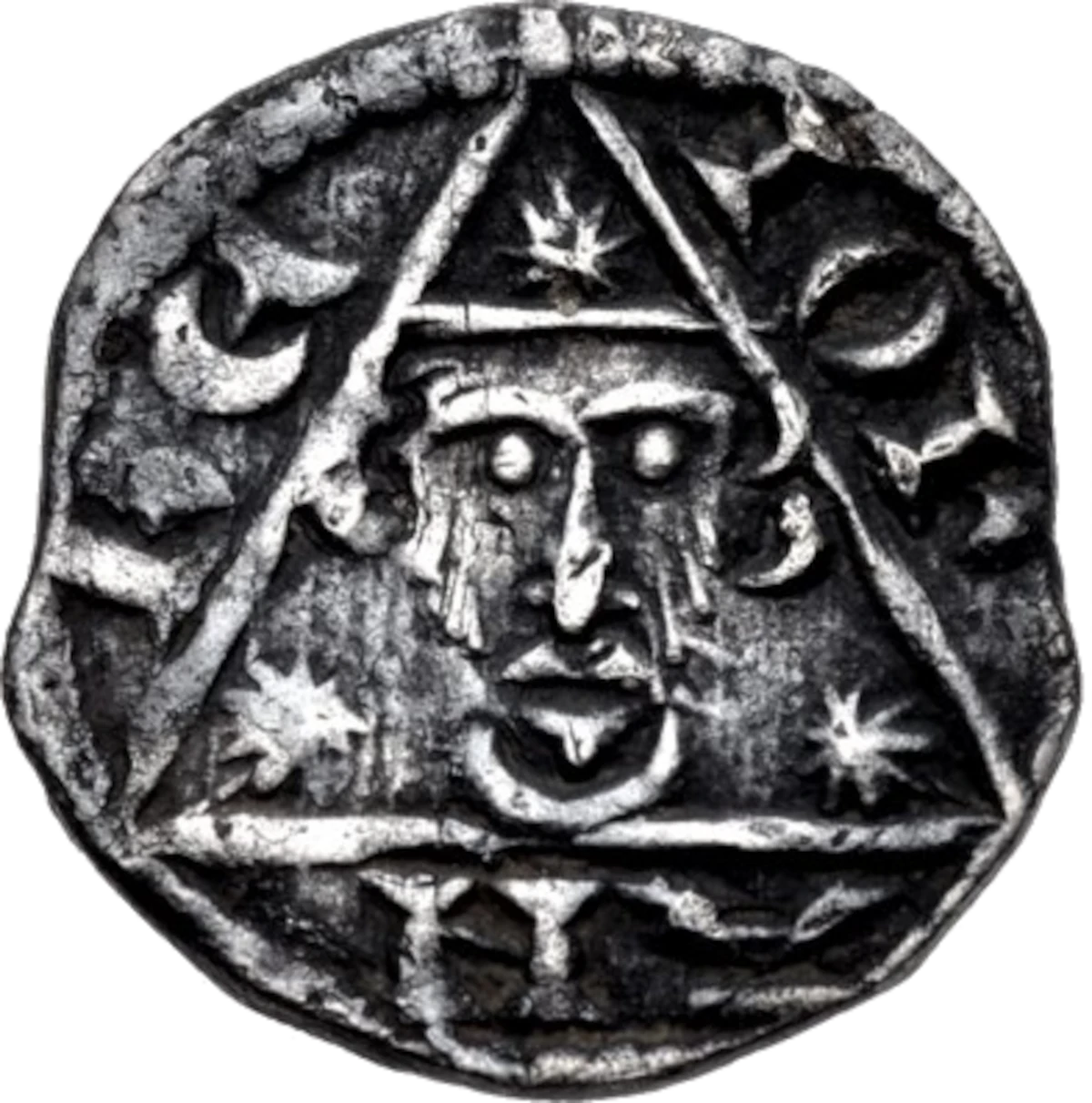
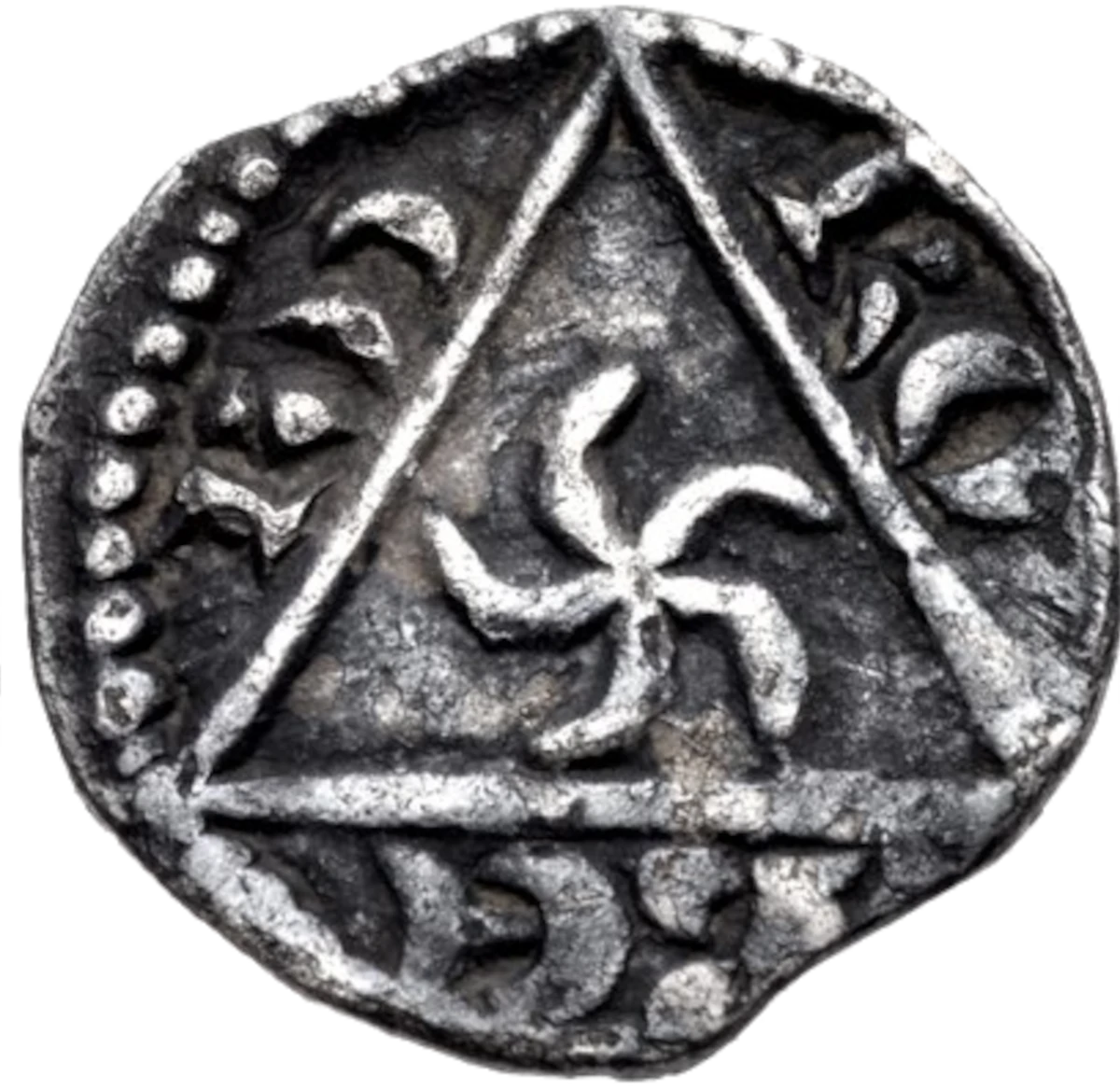
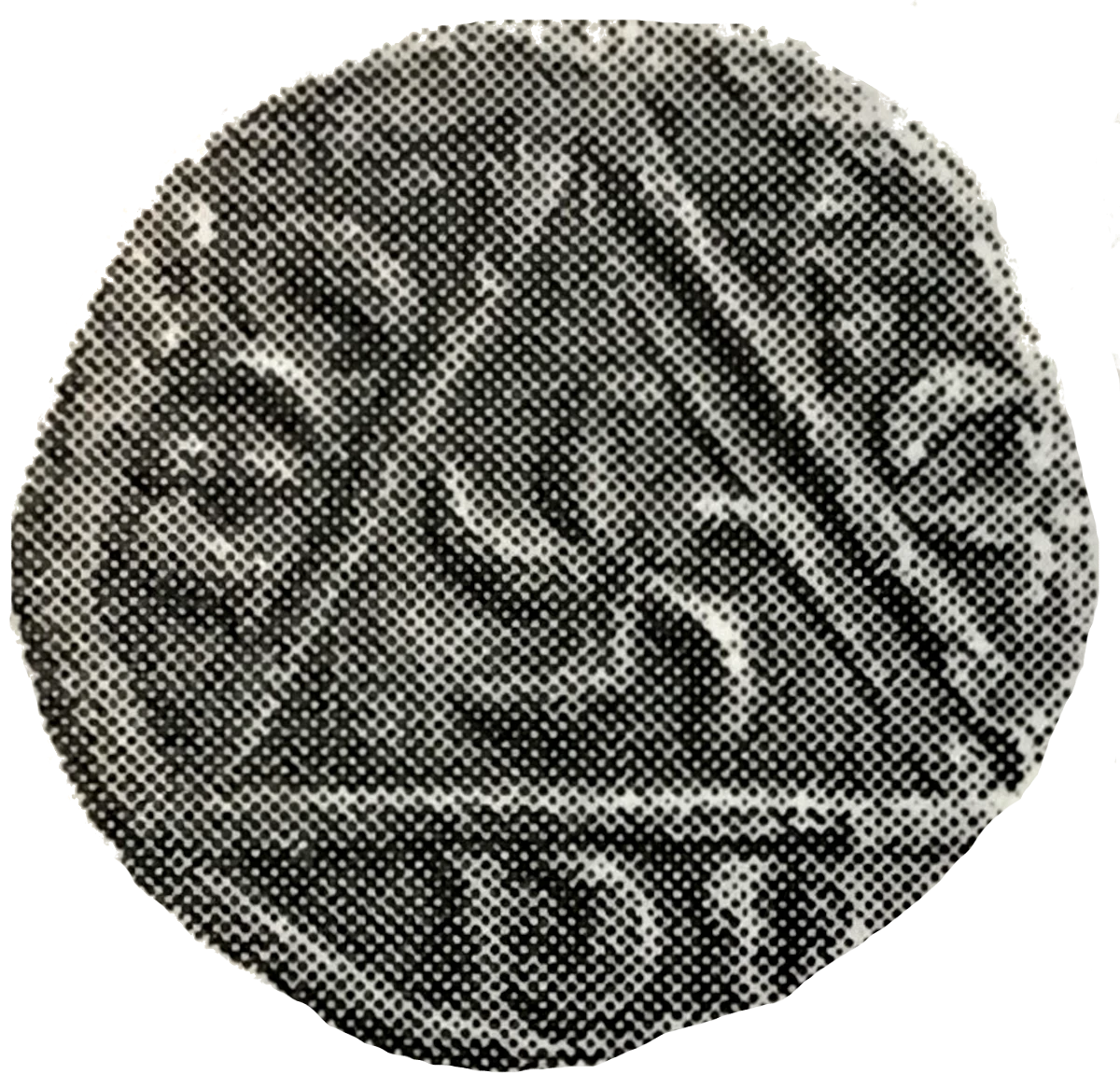
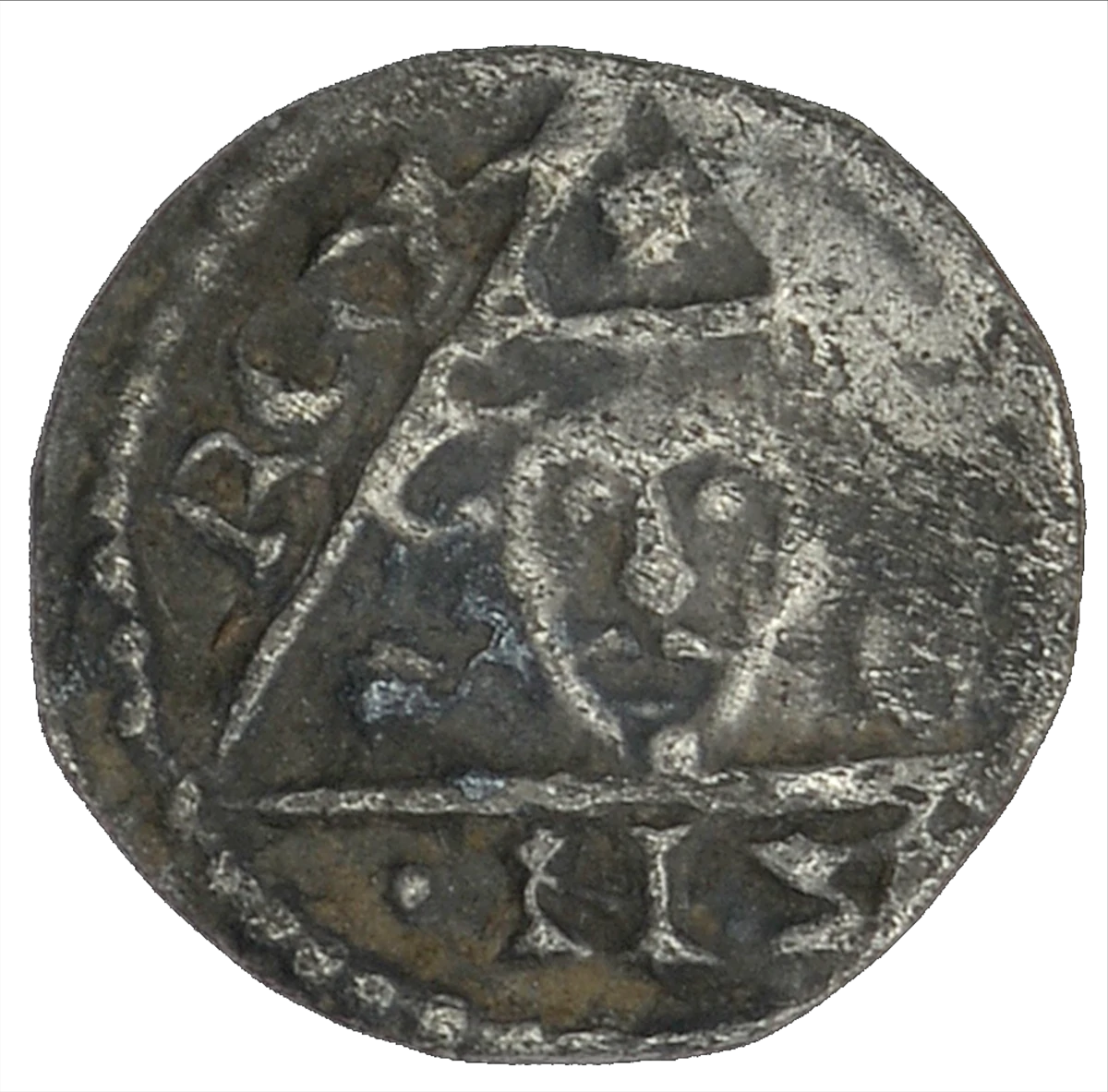
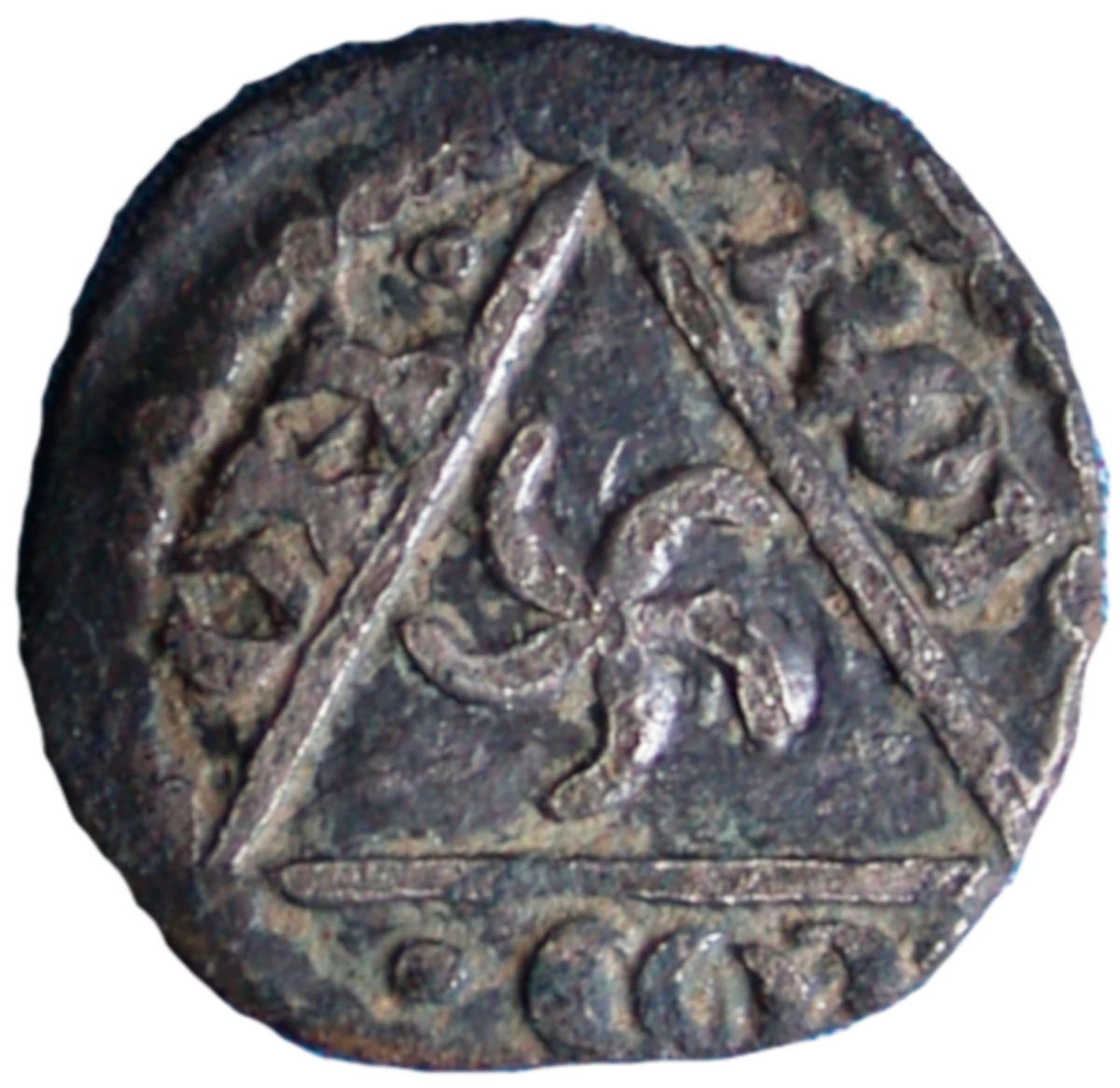
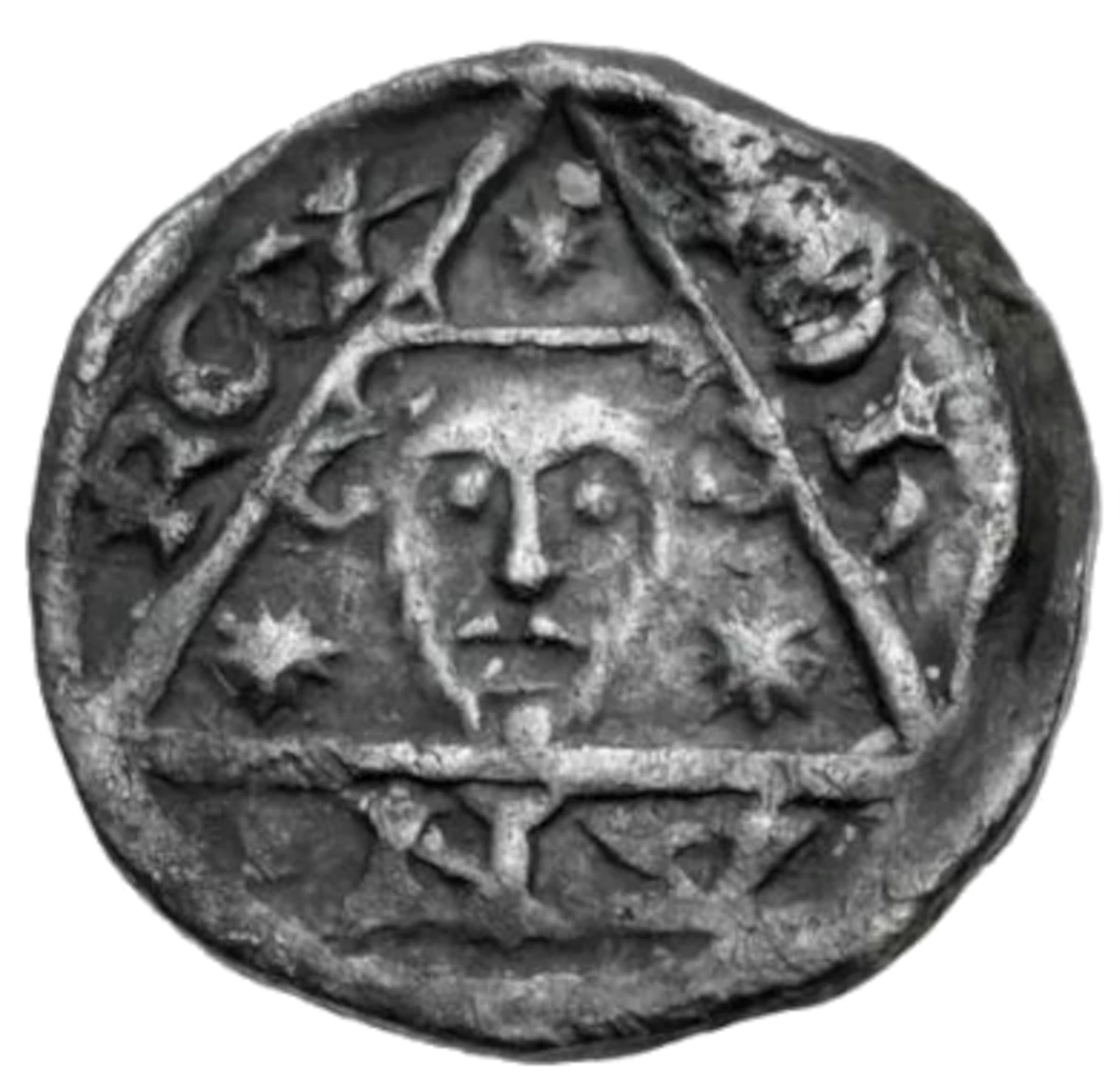
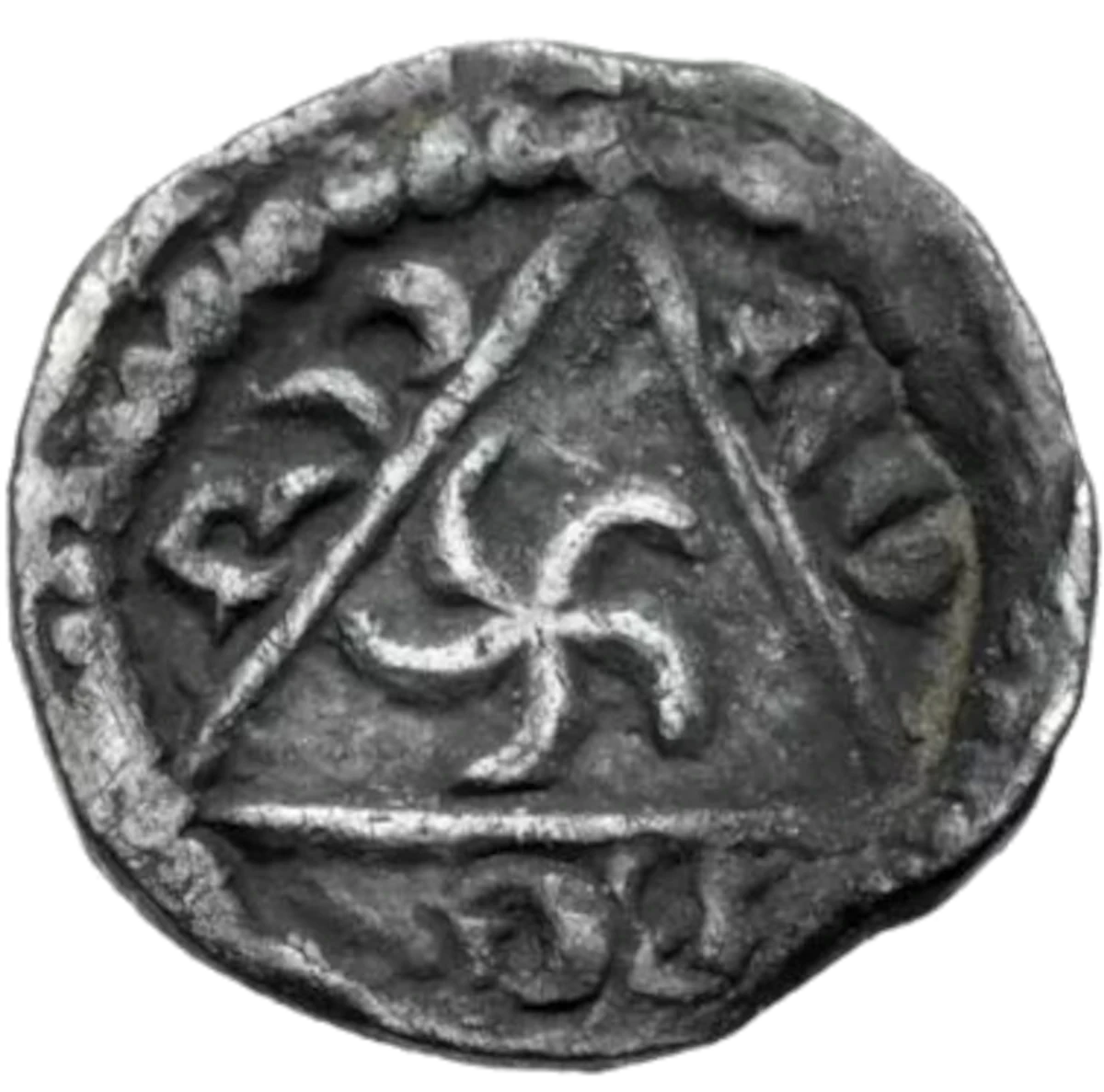
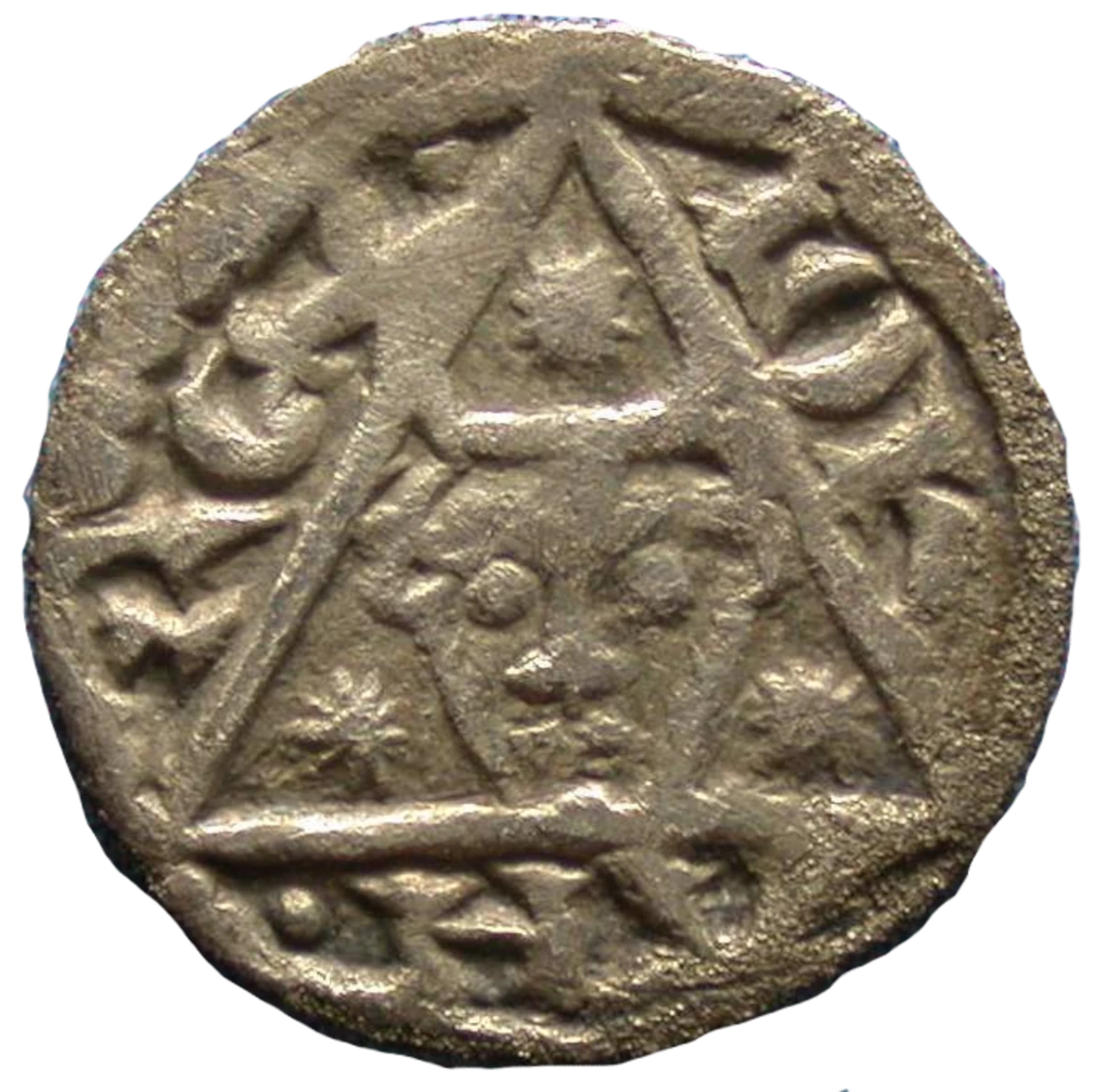
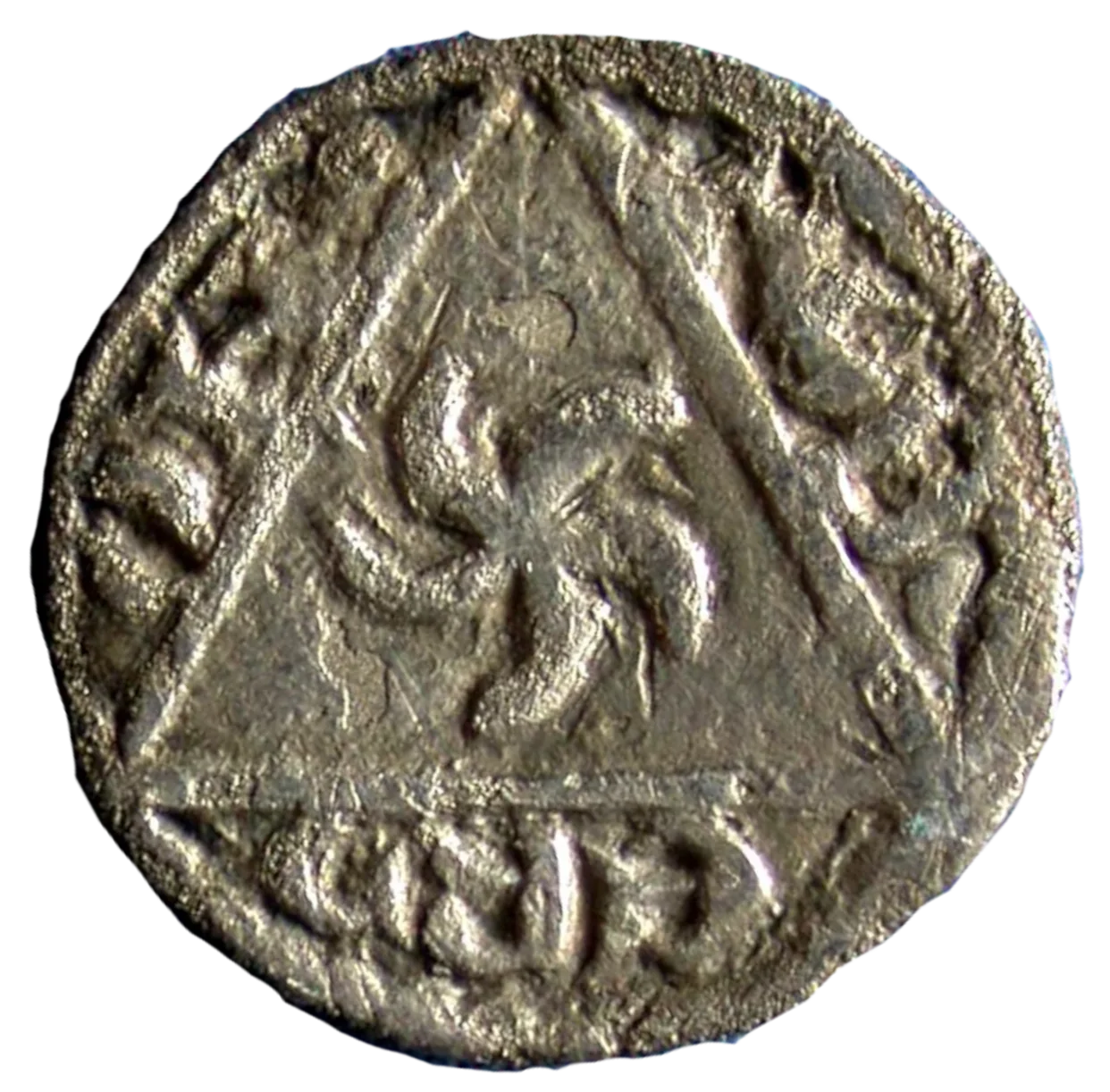
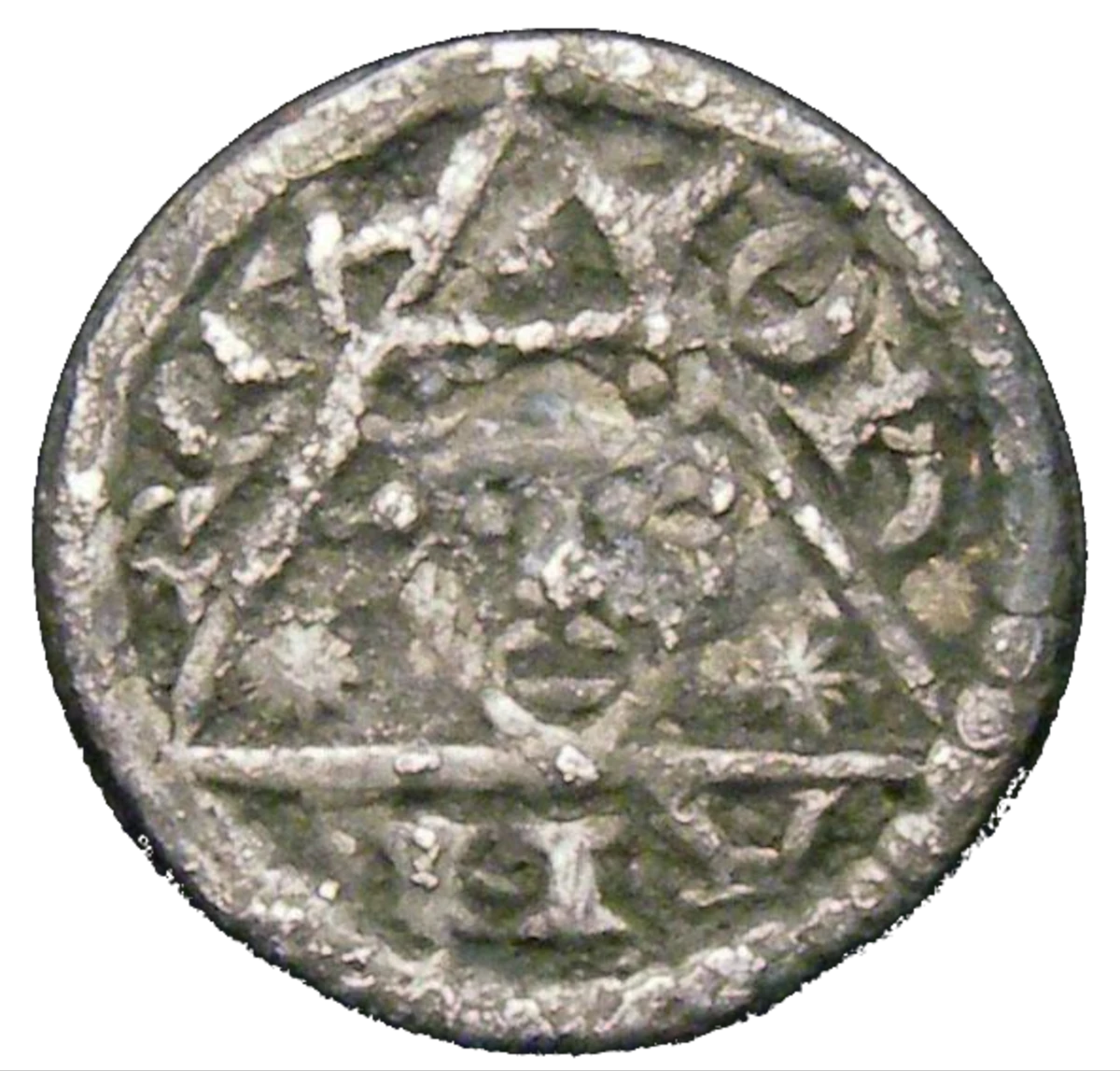
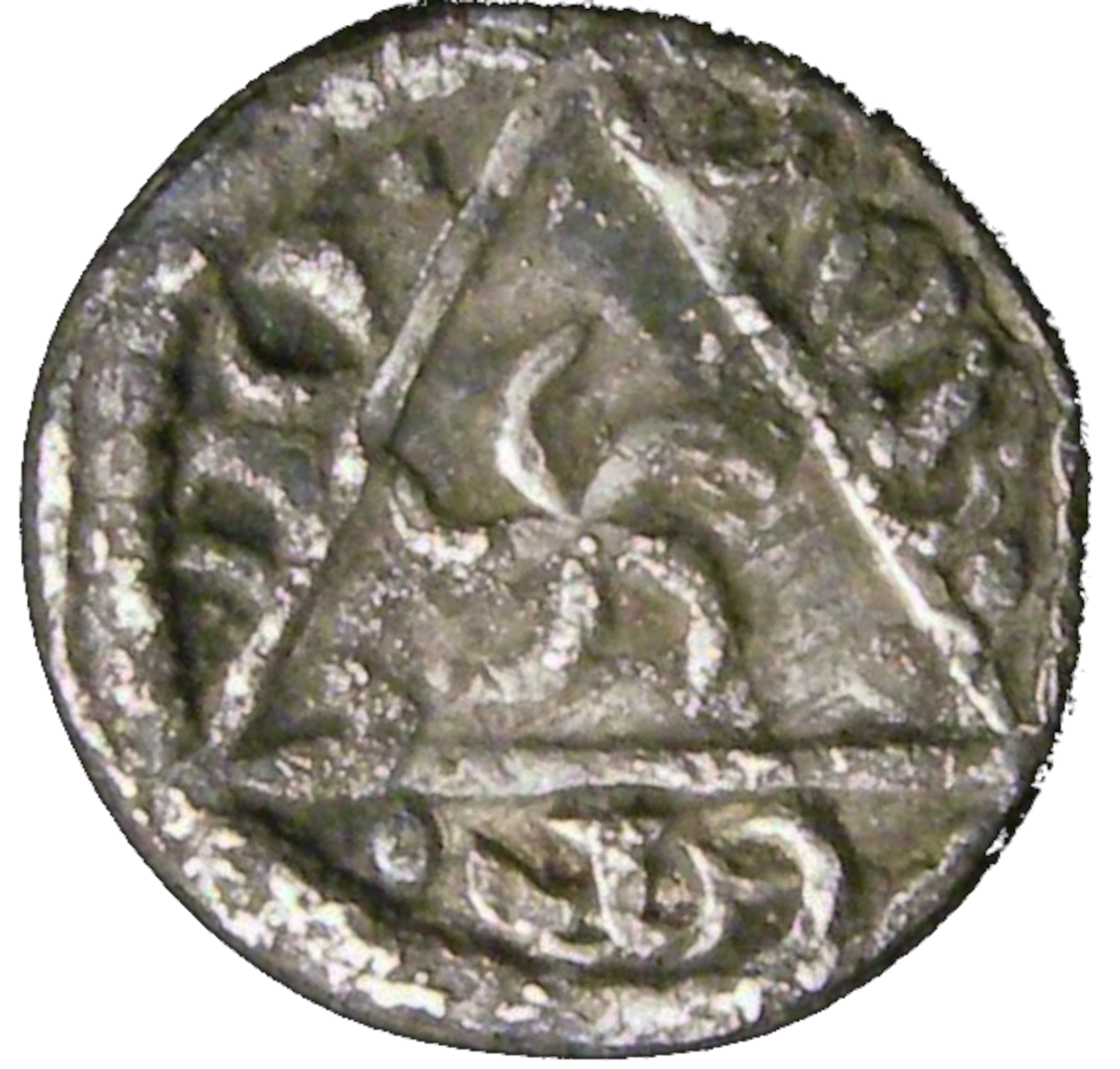
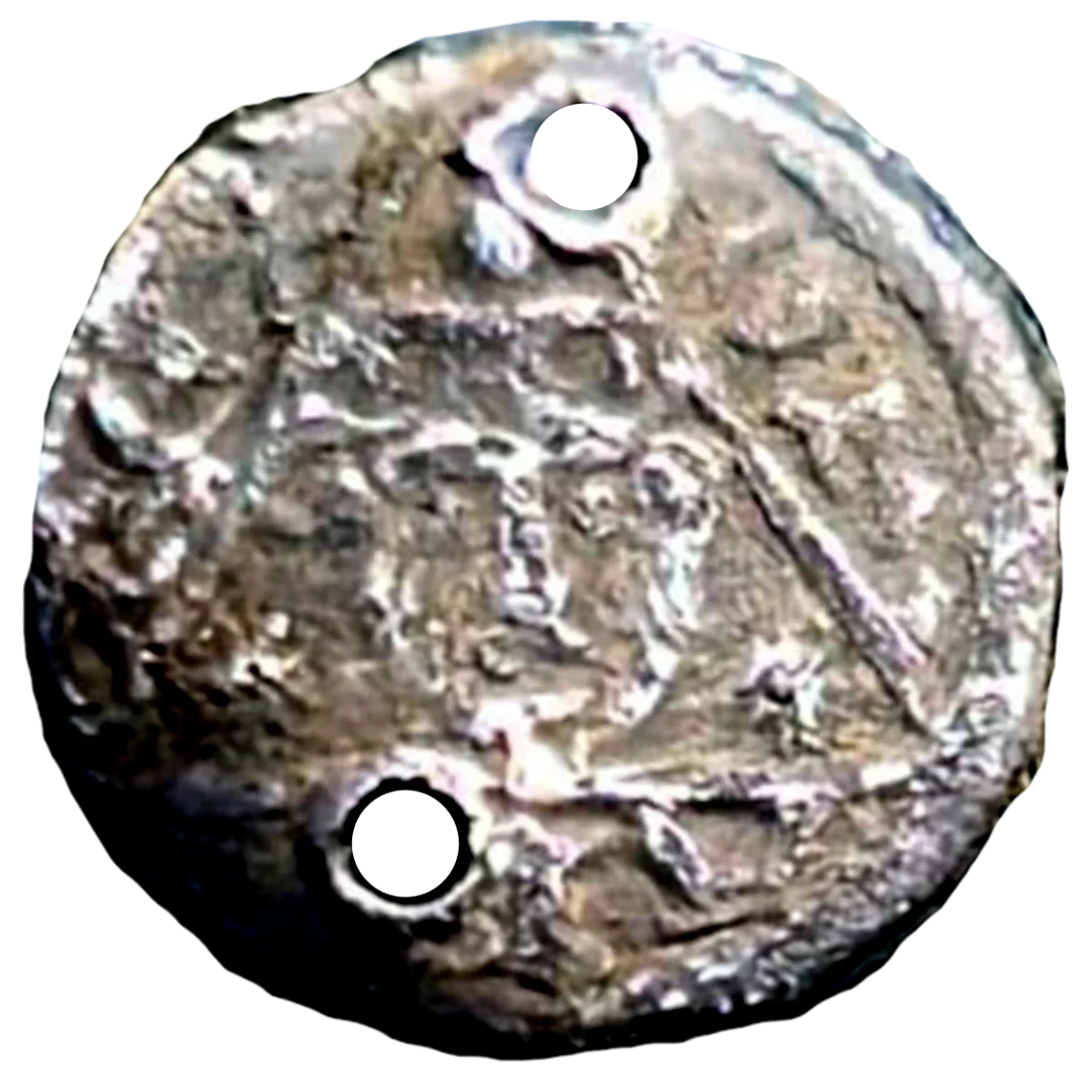
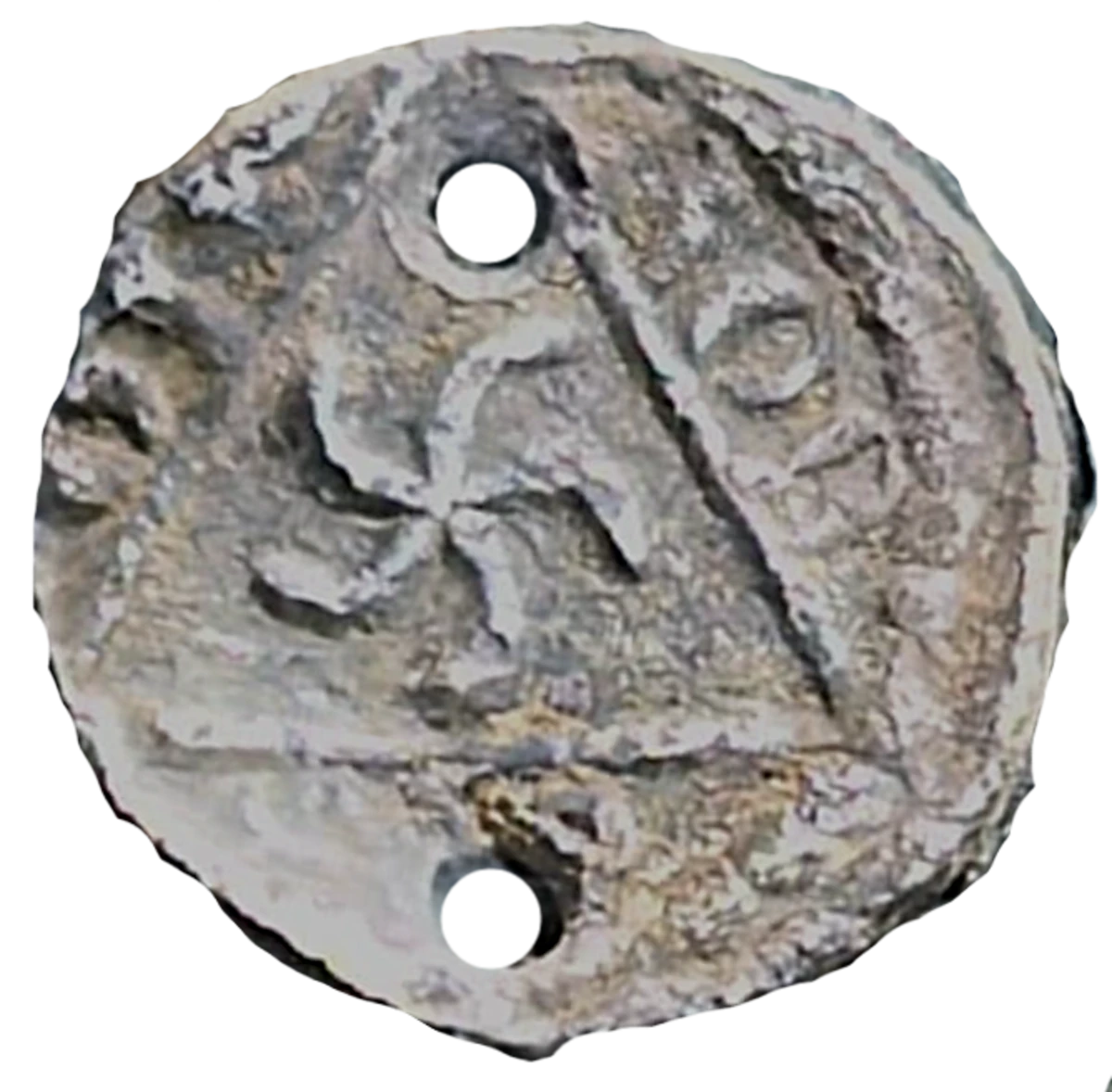
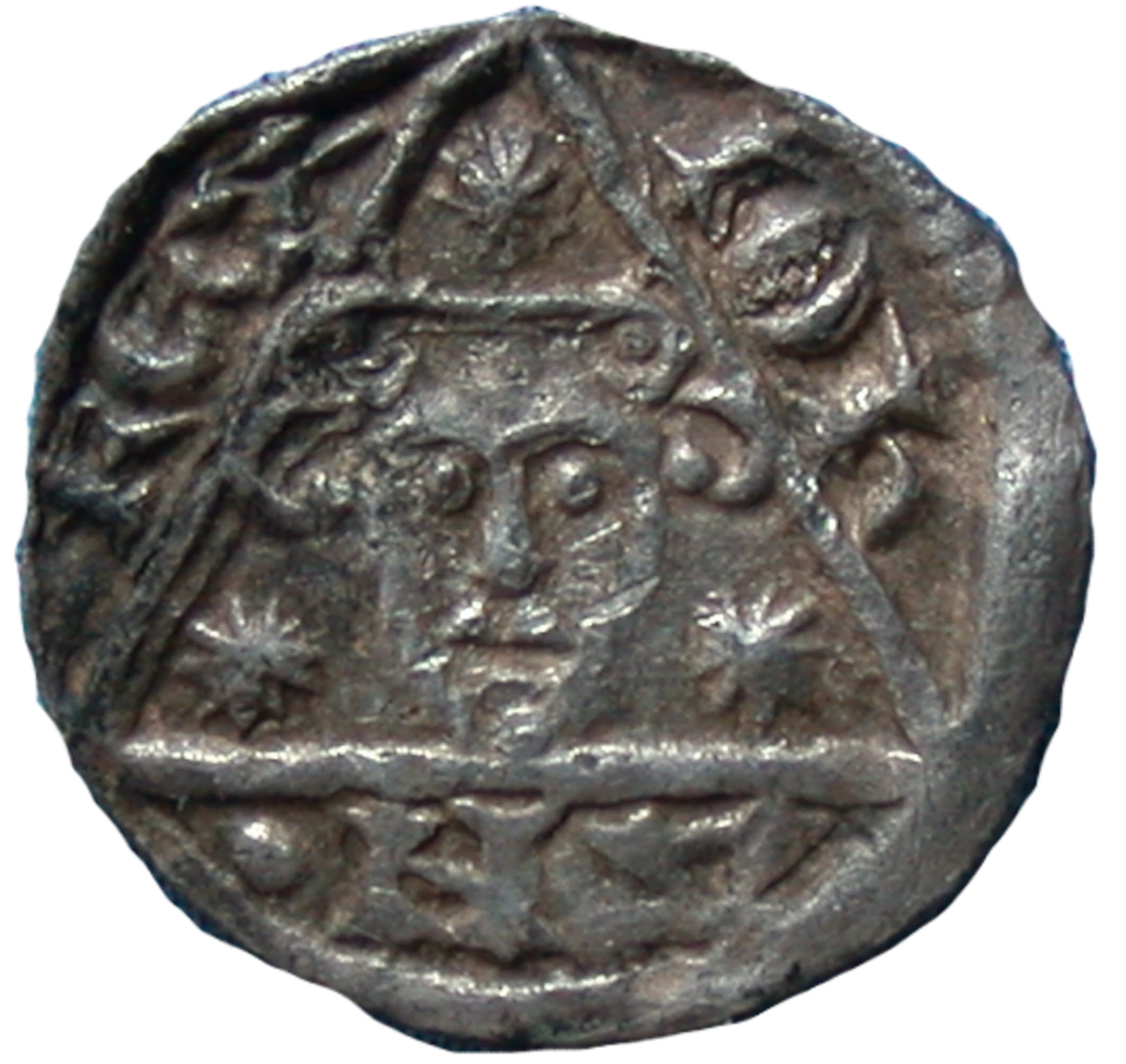
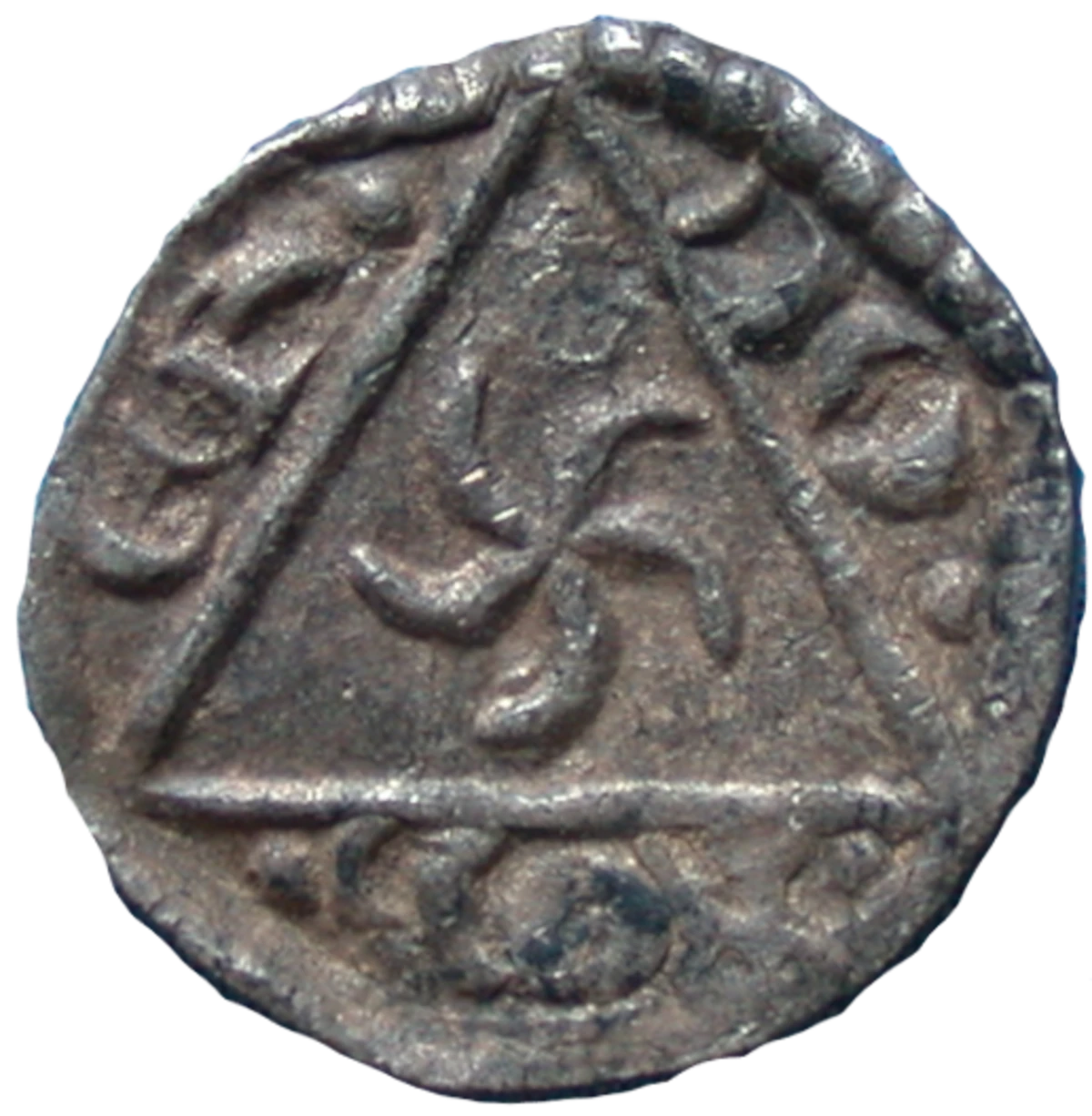
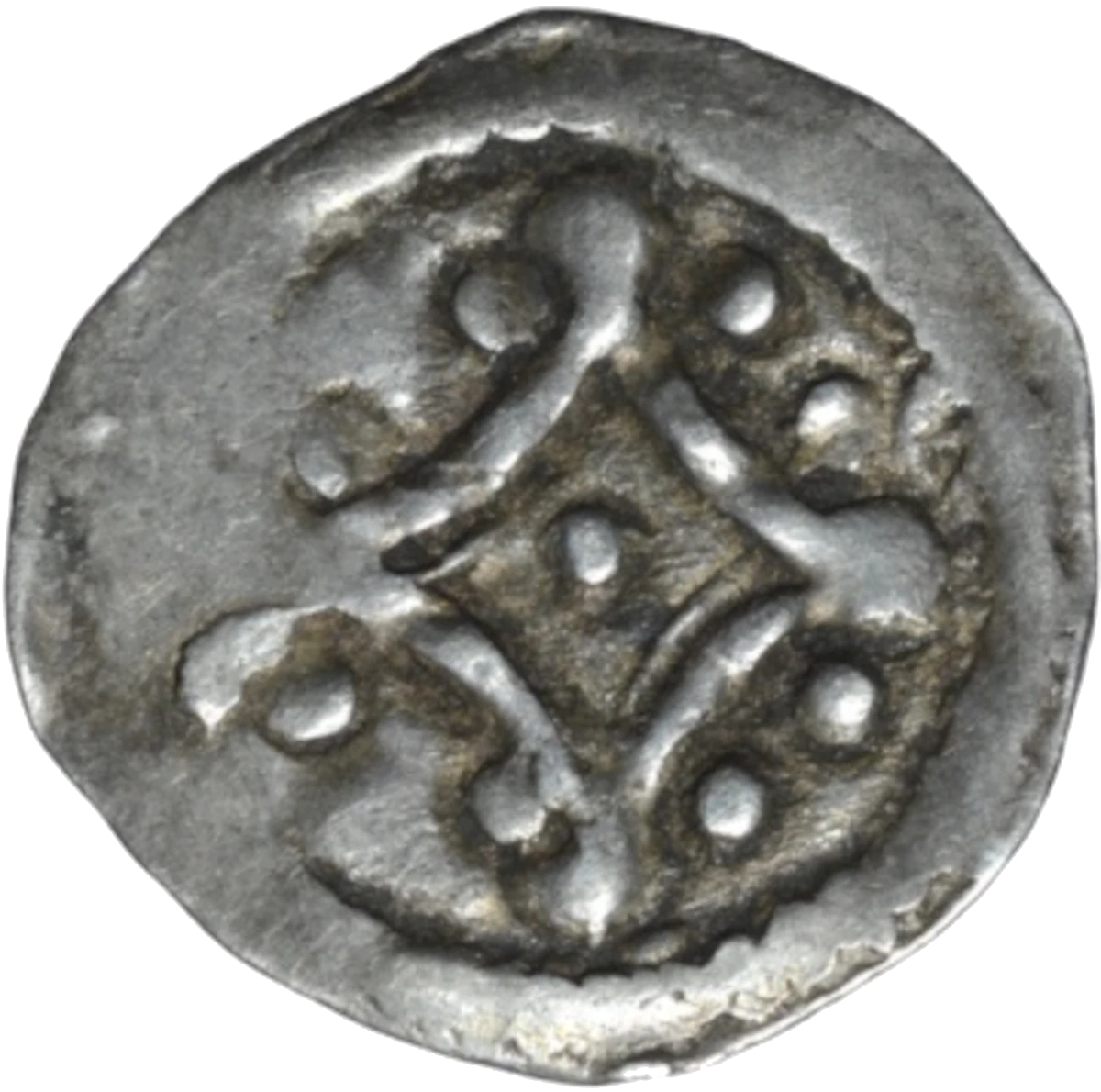
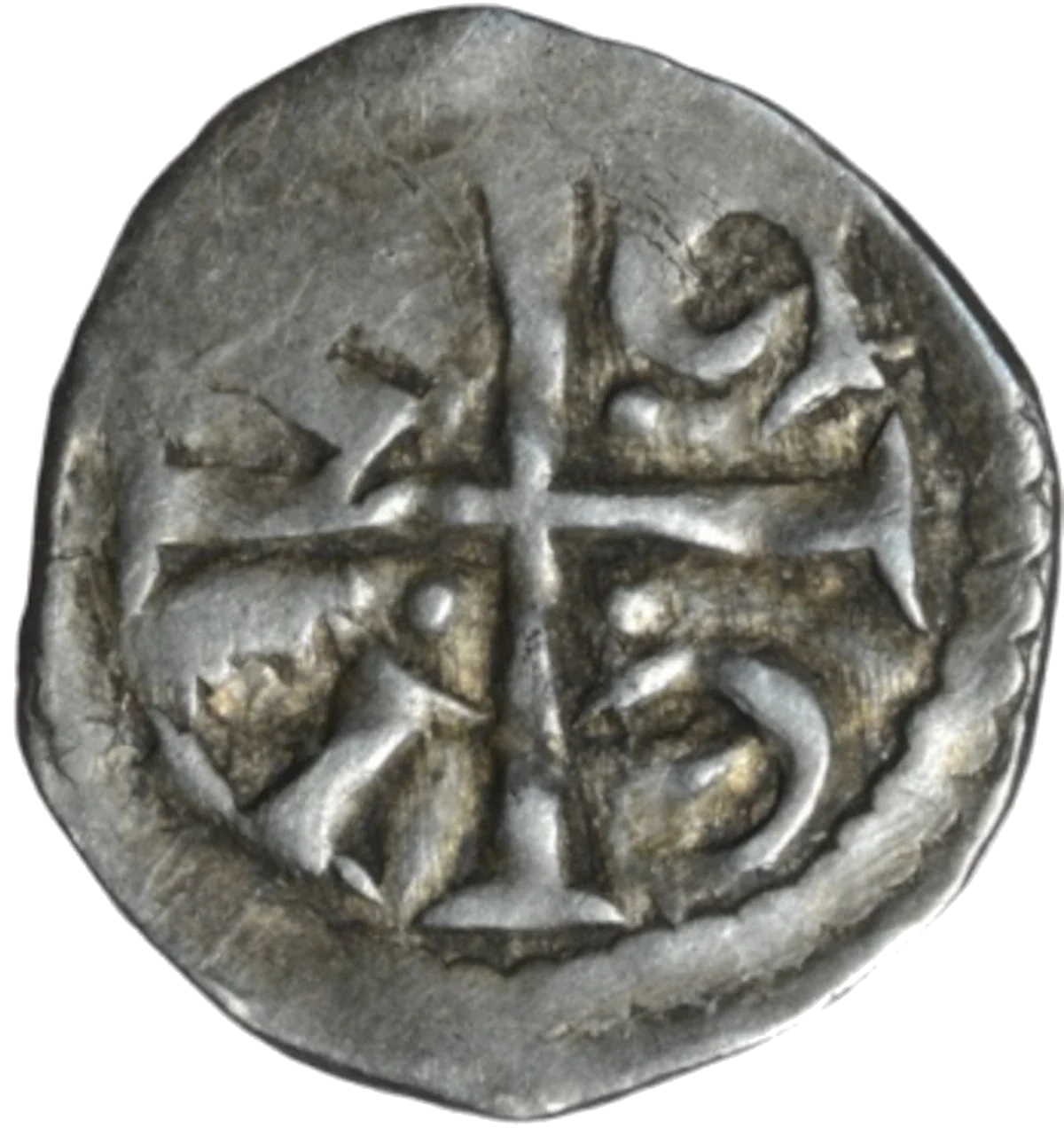
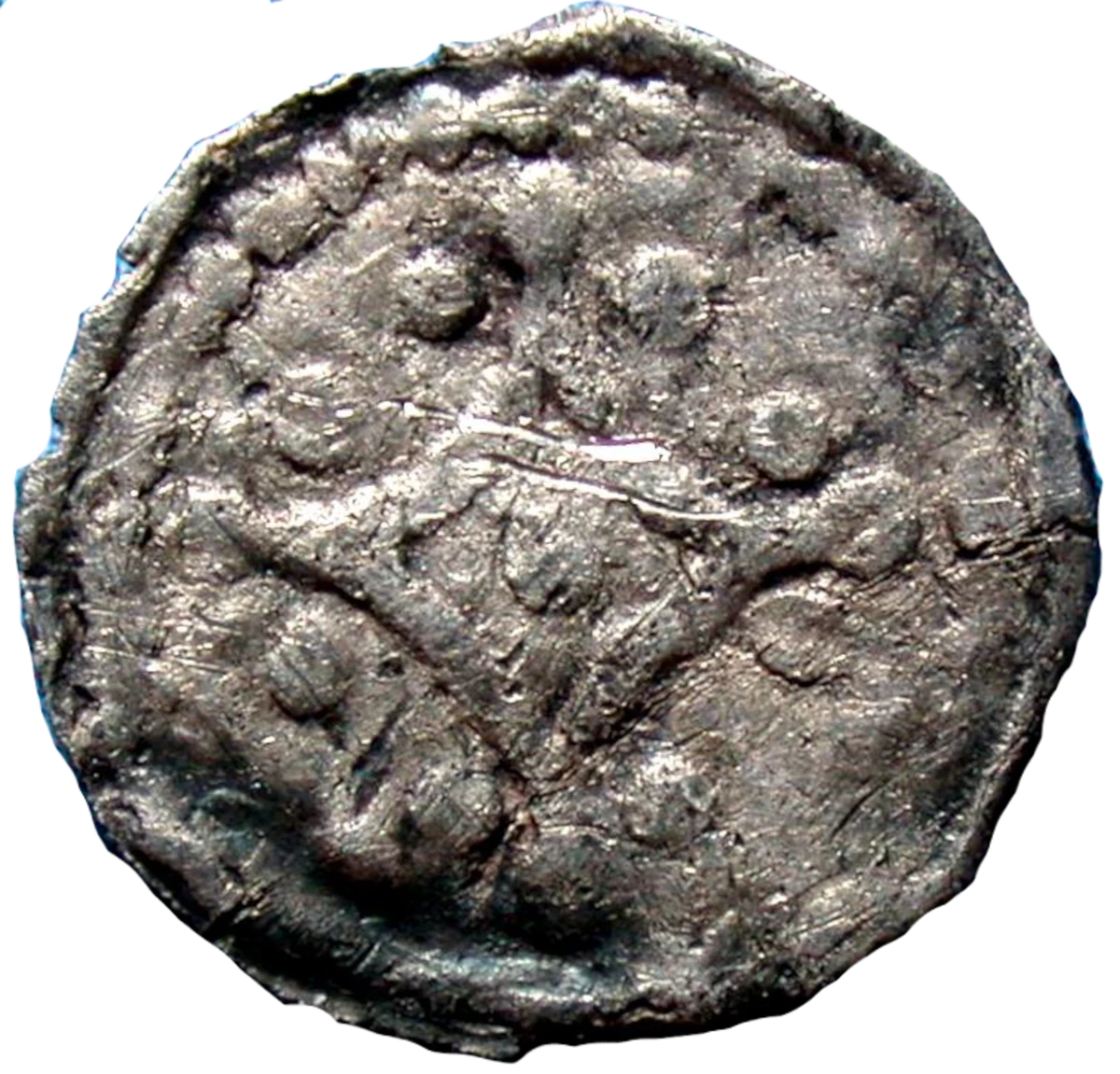
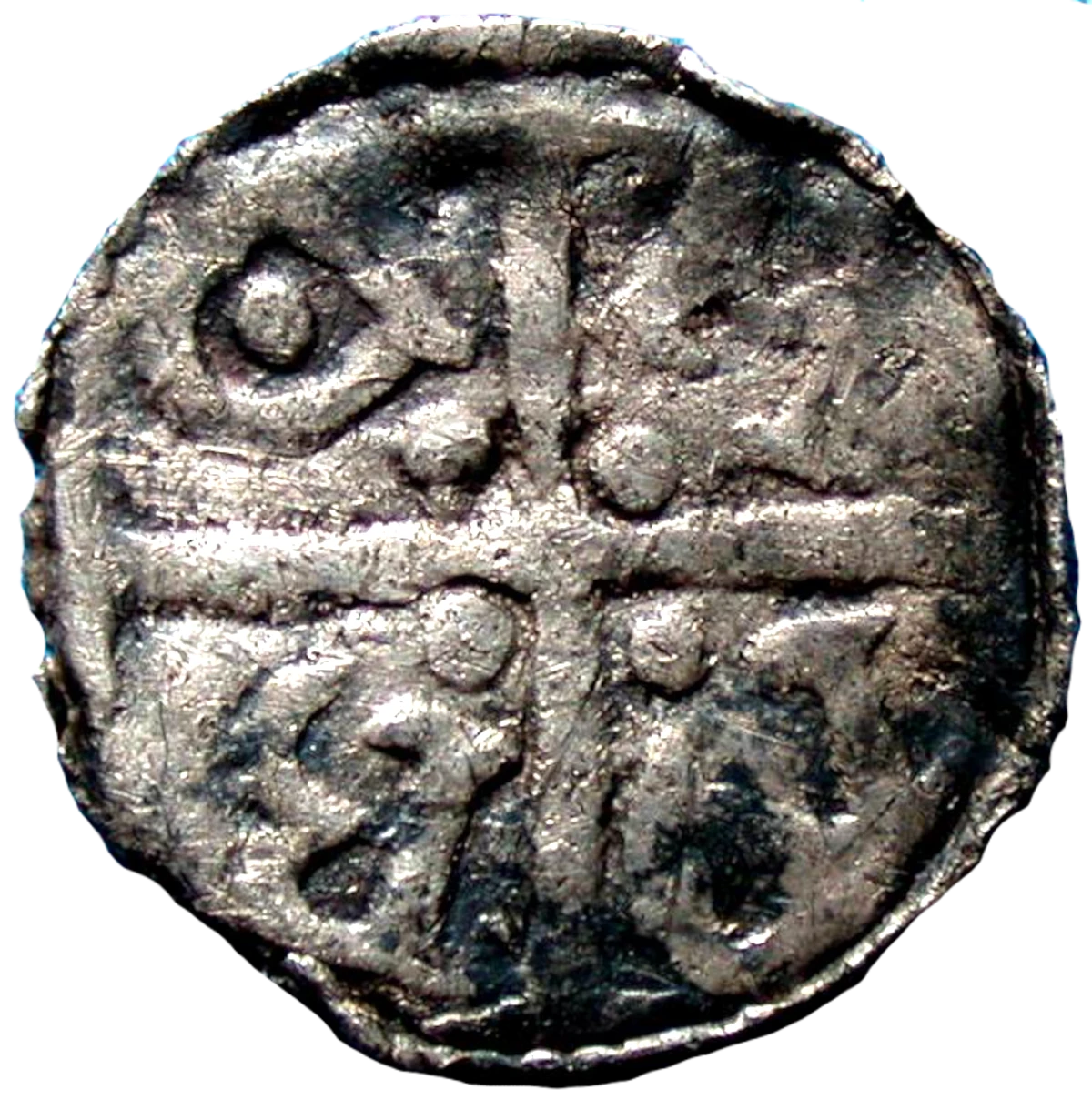
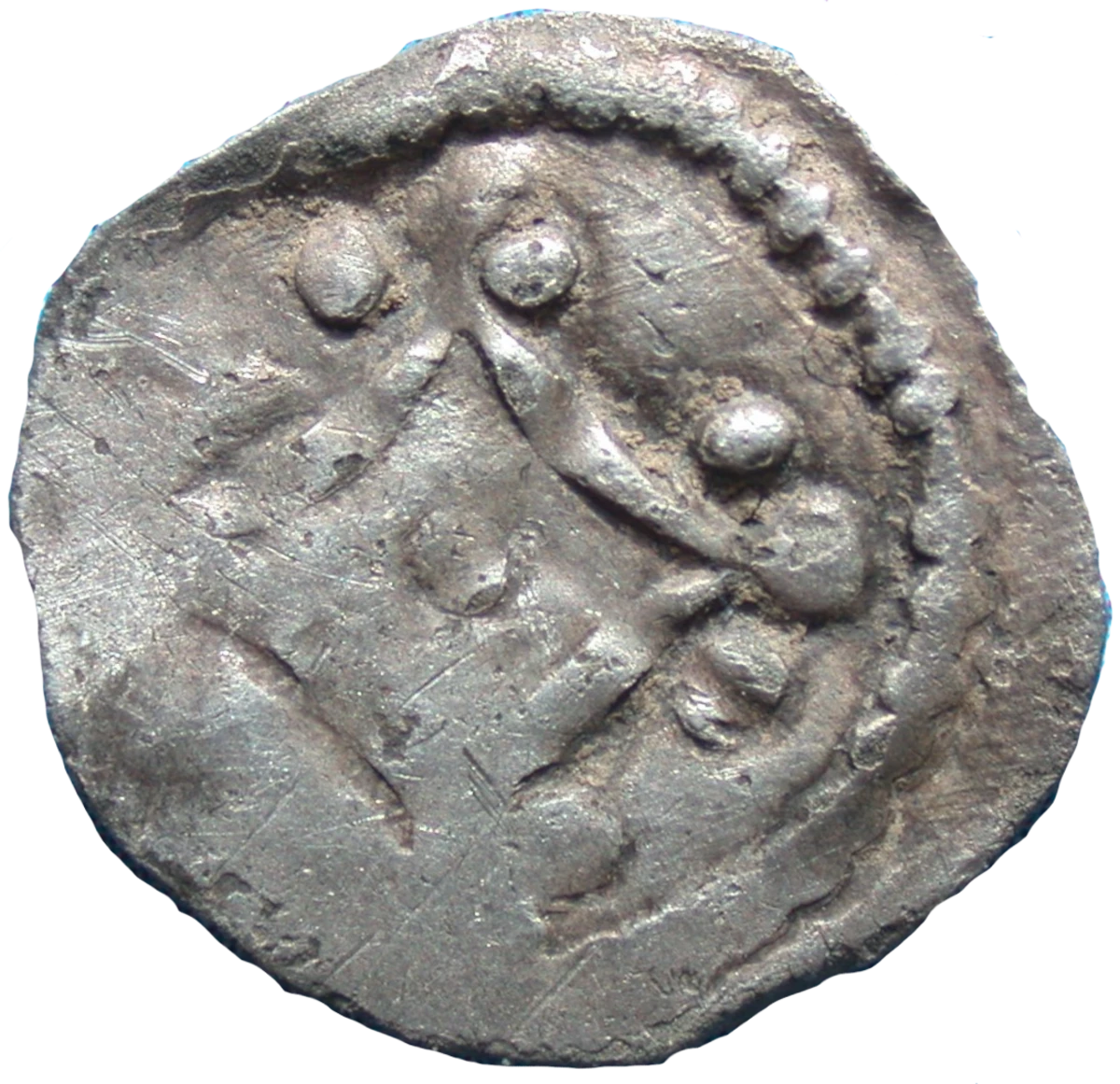
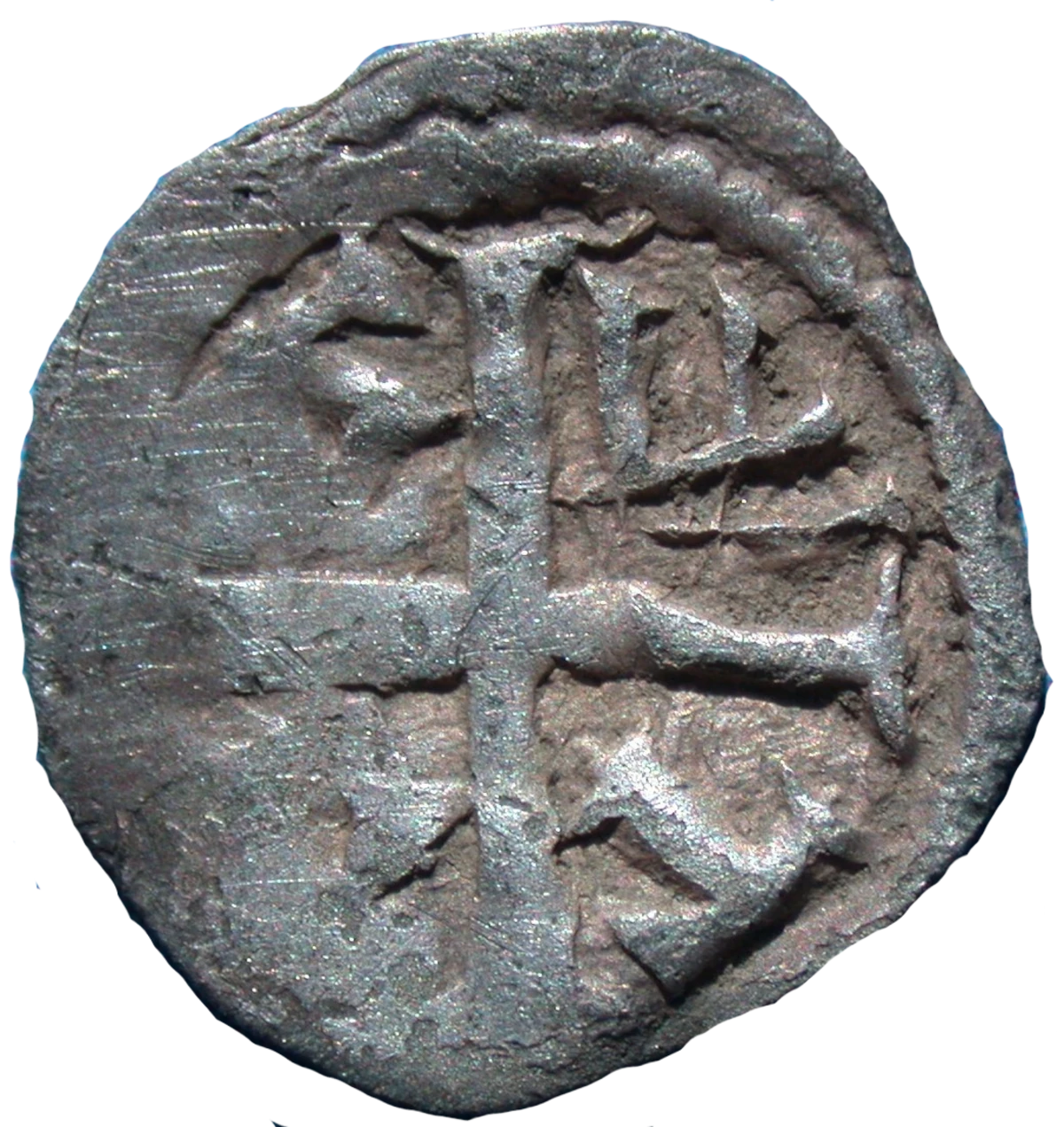
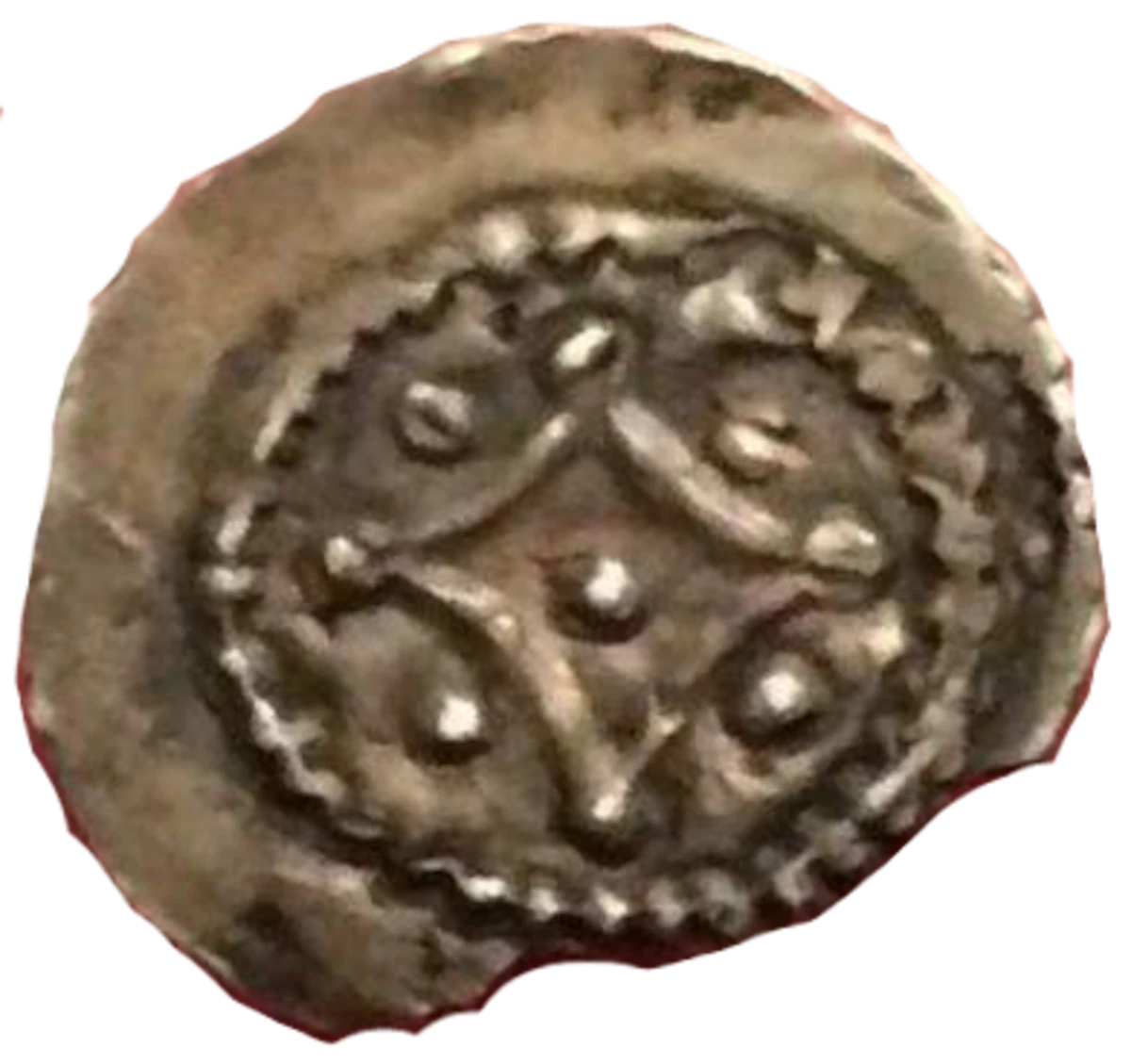
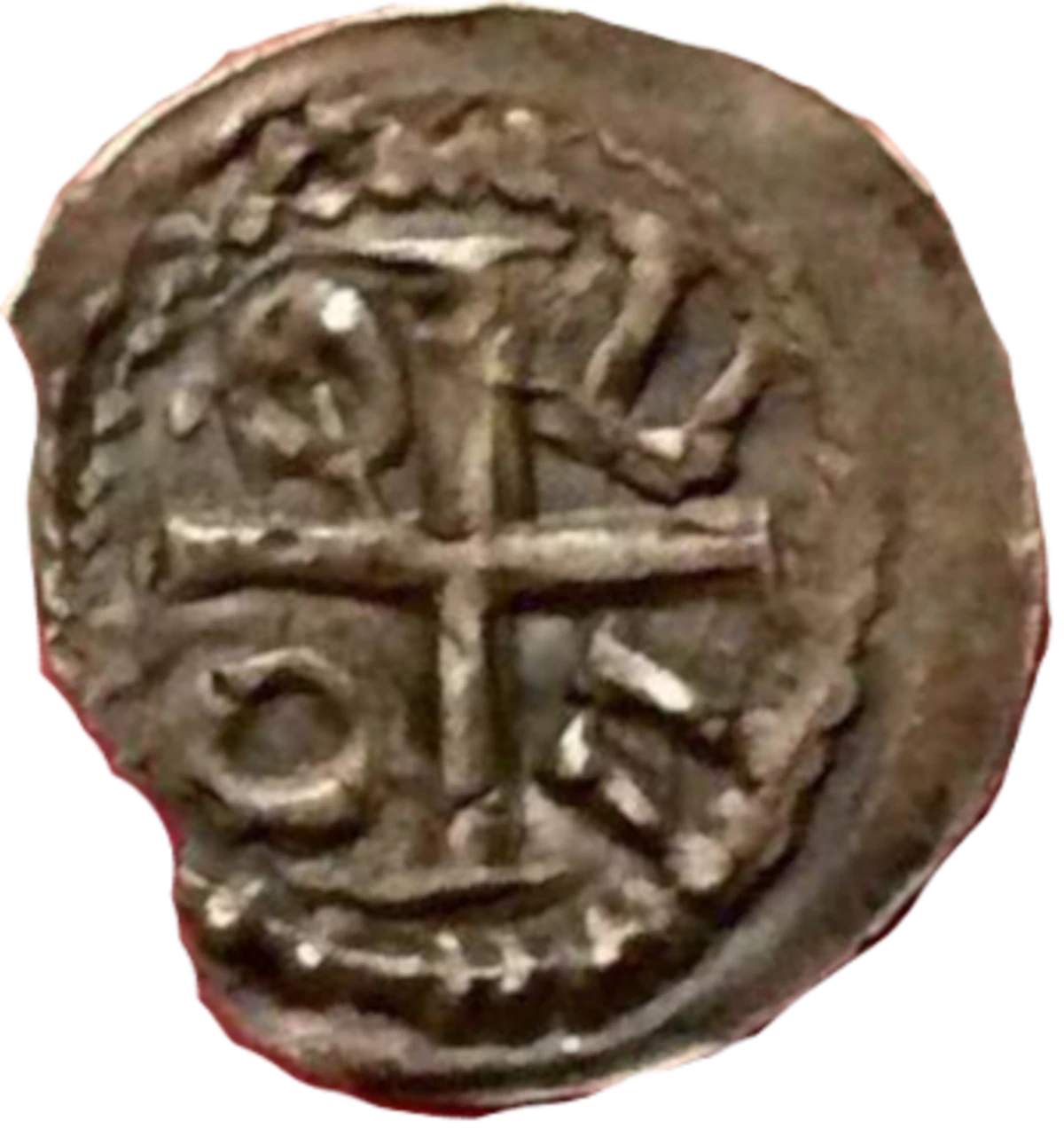
Issued after John became King of England, these farthings display the king's title and portrait within a triangular design. Struck at Dublin and Limerick, they represent a new phase in Anglo-Irish coinage.
Together, the Mascle and Rex farthings chart John's transformation from Lord of Ireland to King of England. They provide a fascinating insight into medieval government, commerce, and the development of Anglo-Irish coinage during a period of significant political change.
Whether you are interested in medieval history, Irish numismatics, mint organisation, or rare hammered coins, these two series offer an exceptional window into the reign of one of England's most controversial monarchs.