The Black Museum
Fake, Forgery and Counterfeit...
· A fraudulent imitation or facsimile
· Fabricated in imitation of something else, with a view to defraud by passing the false copy for genuine or original
The following ARE ALL FAKES.
Background: Modern fakes & forgeries
With a few exceptions, there were very few counterfeit hammered silver farthings until modern times. In the Middle Ages, their low value meant that forgers risked severe punishment for low returns - it was far more attractive to counterfeit pennies (same risk and four times the return).
But, now hammered farthings are highly collectable, and times have changed with good condition or extremely rare hammered silver farthings fetching three to four figure sums at auction. Enter the modern forger.
There are several modern copies of farthings that have appeared on the market recently and these are being sold to unsuspecting collectors either at coin fairs or on-line. Even for a very experienced collector, it can be very difficult to spot a modern forgery. Copies/forgeries are added to this page as they are identified - so you might want to bookmark this page for easy reference.
How to spot a forged hammered coin
- Exceptionally clear: (i.e. too good to be true). Authentic hammered farthings have been buried for centuries and show an expected amount of wear.
- Thick edges: Hammered silver farthings generally have thin edges - they have been hammered flat. Cast coins will have thicker blunt edges.
- A "soapy" feel: Fakes can have a slick, waxy, or slippery texture on a coin's surface.
- Blundered legends/Poorly executed: The legends on the obverse and reverse don't match known legends. Look at authentic examples of similar coins (usually easily found online) to see if the workmanship is of similar quality.
- Identical coins: Hammered coins are struck by hand, so no two will be identical! There were a limited number of dies used - but the shape of each coin, the orientation of the obverse to the reverse, and any off-centered striking, THESE ARE UNIQUE TO EACH COIN.
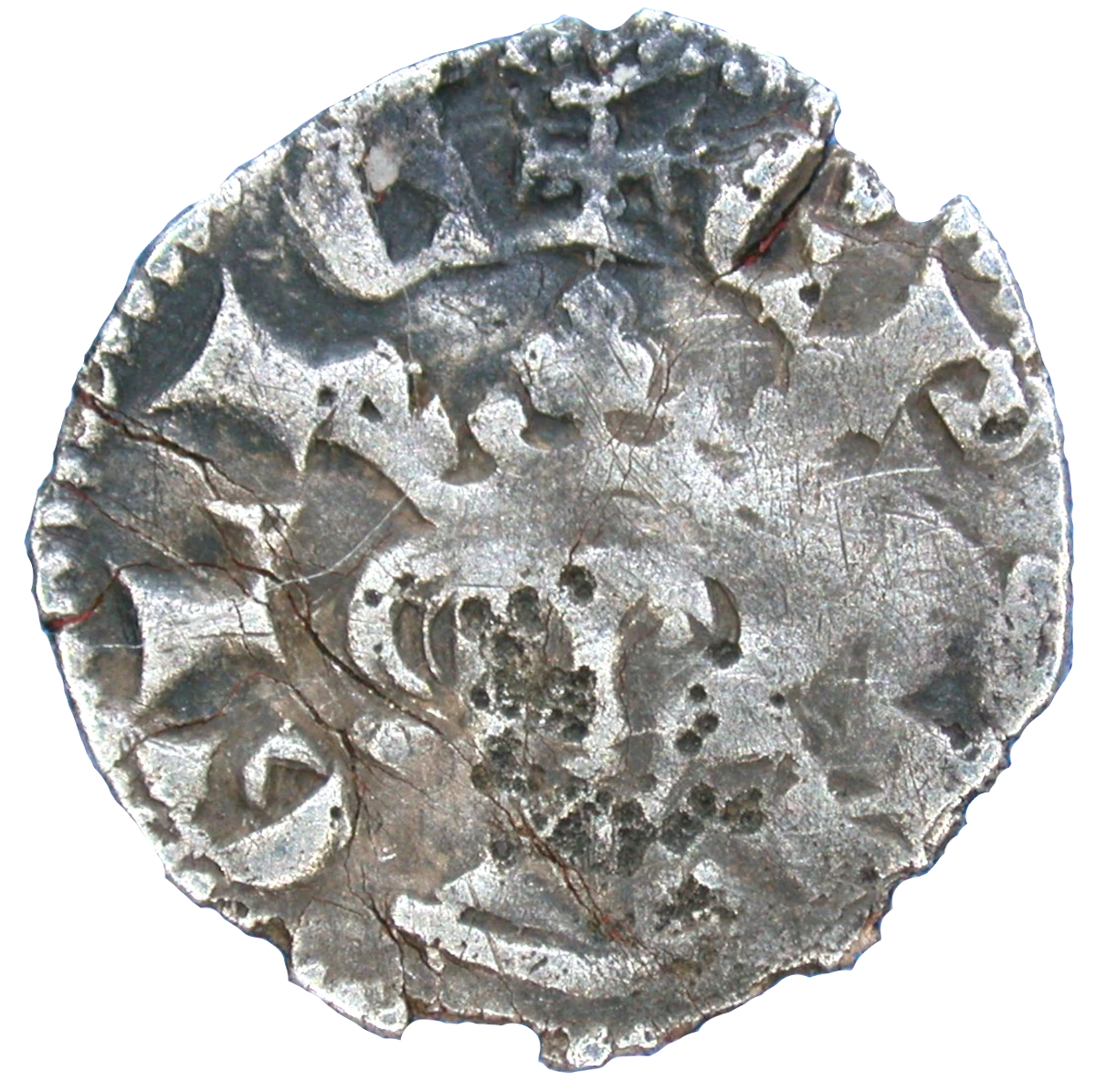
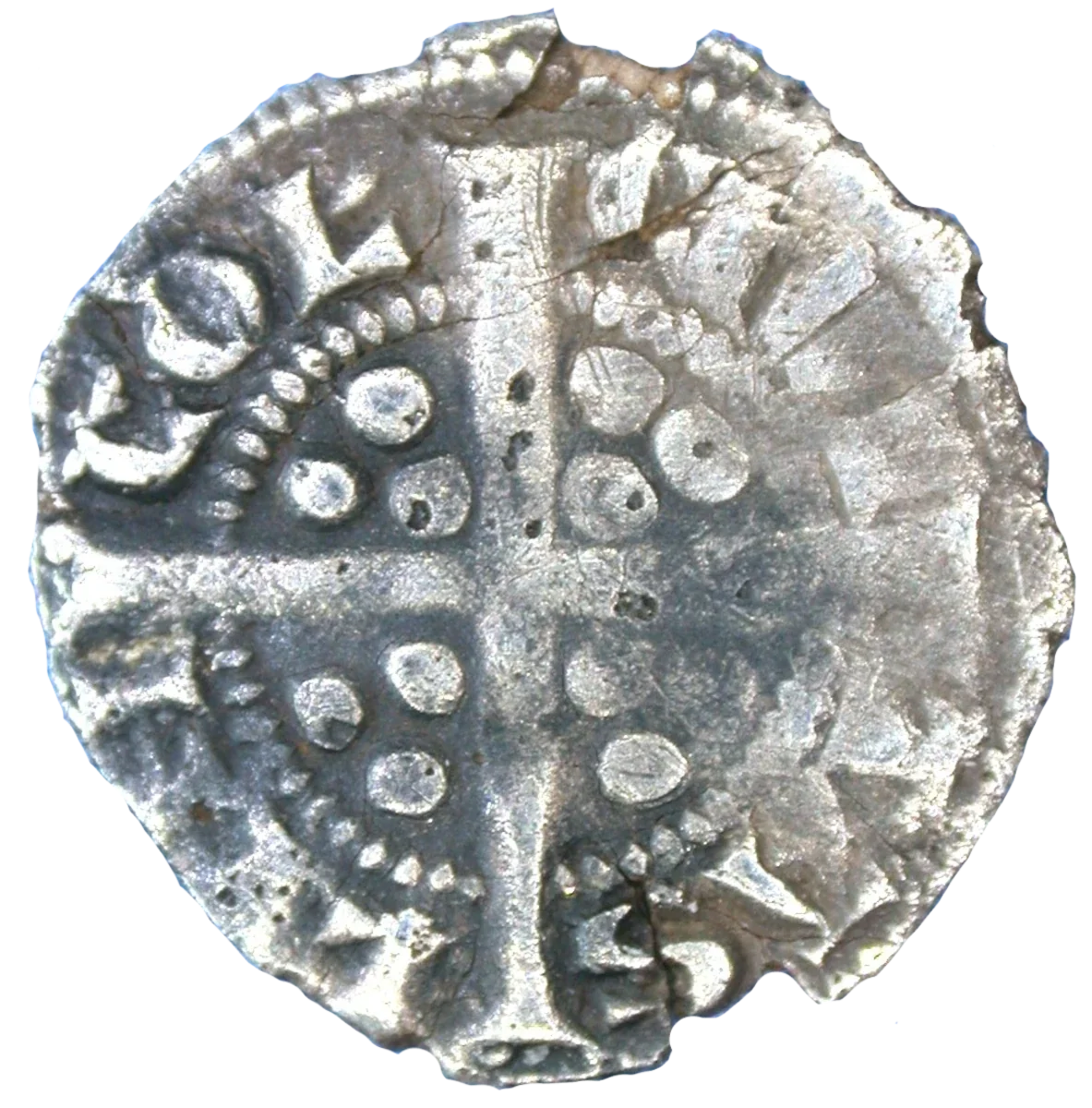
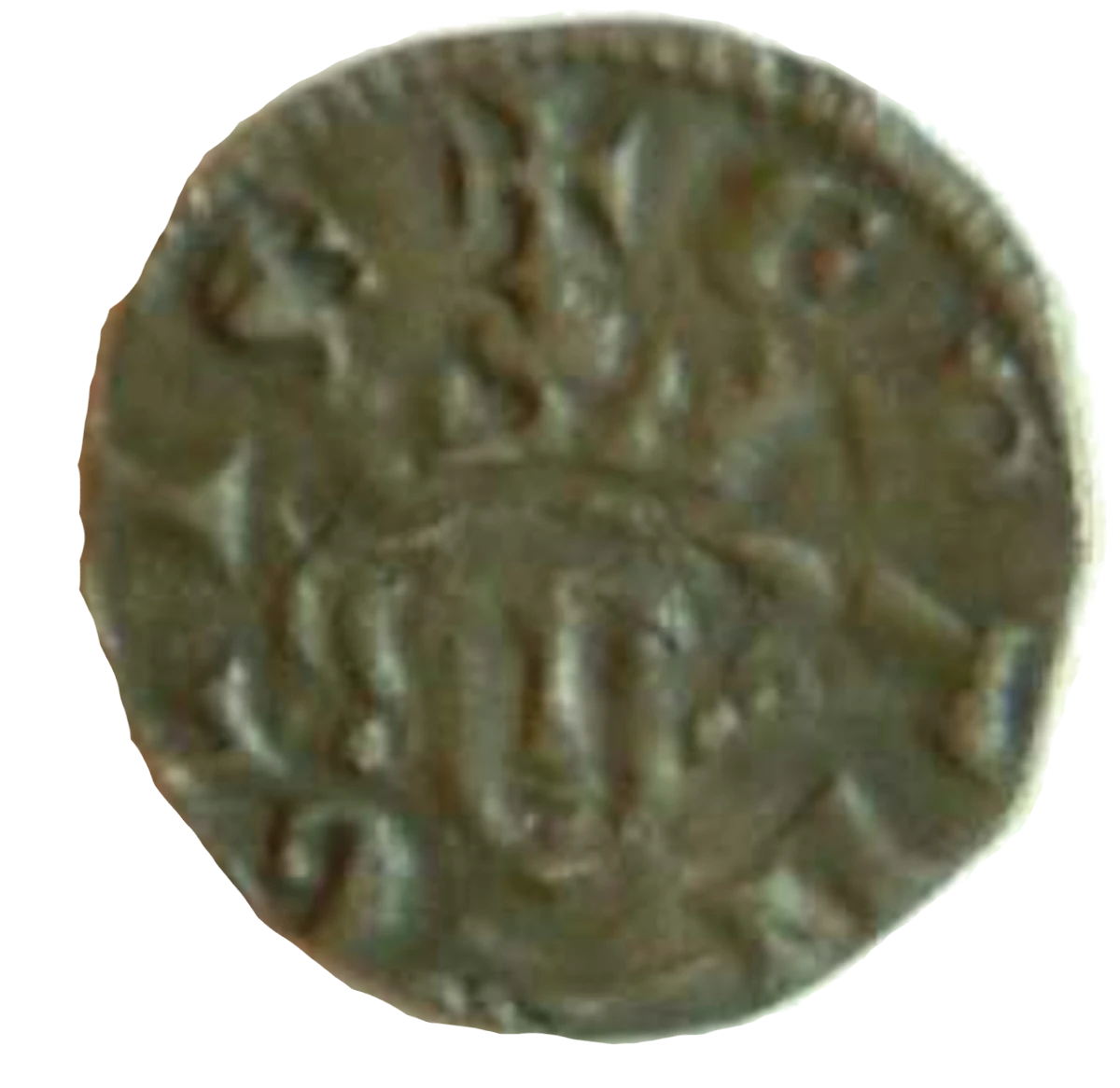
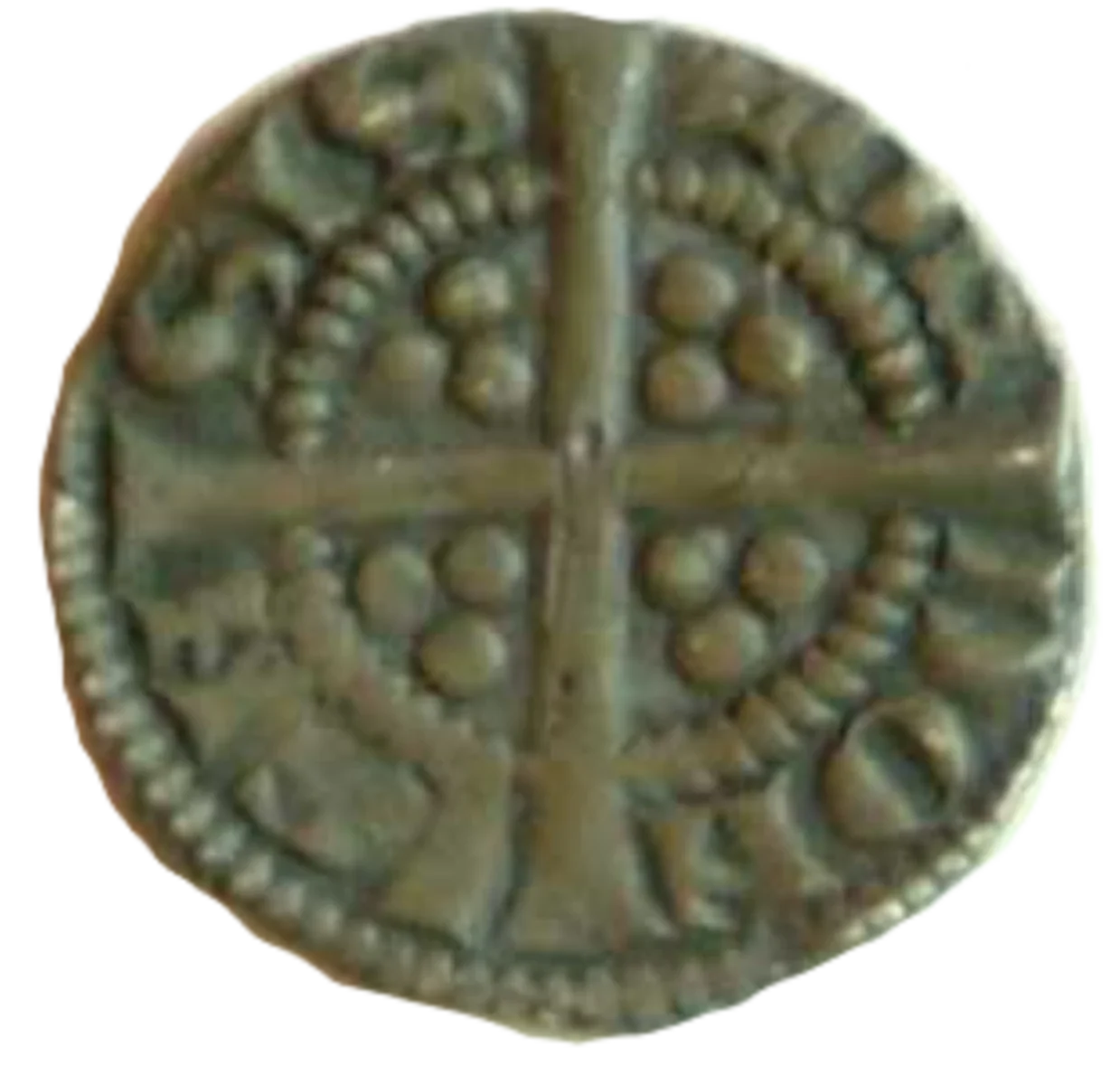
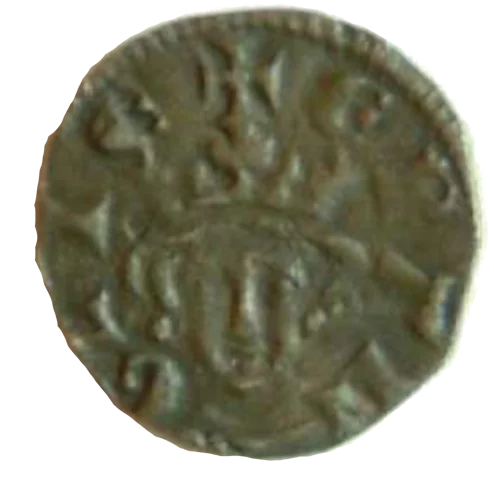
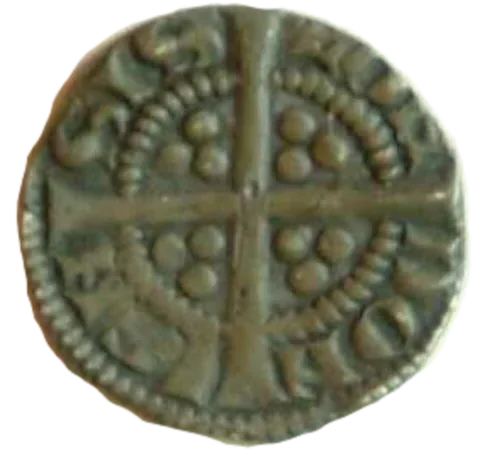
Farthing Fakes: Edward I
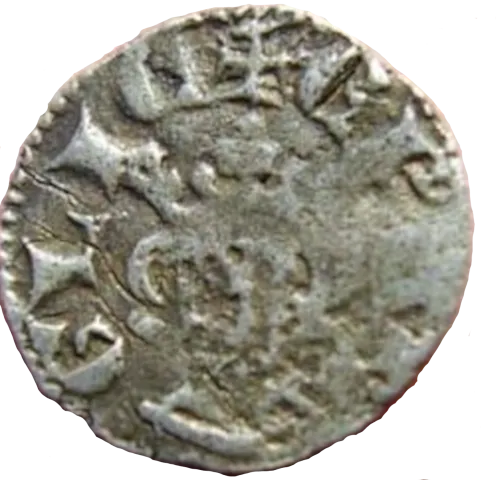
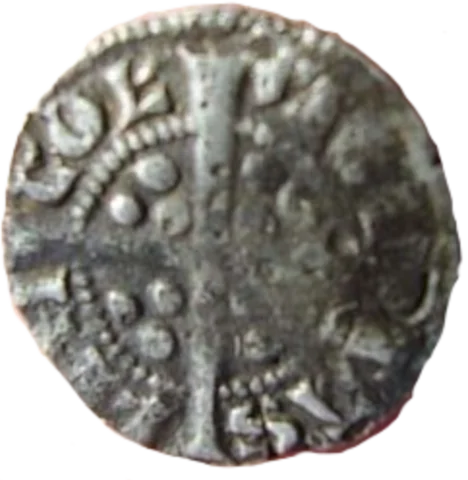
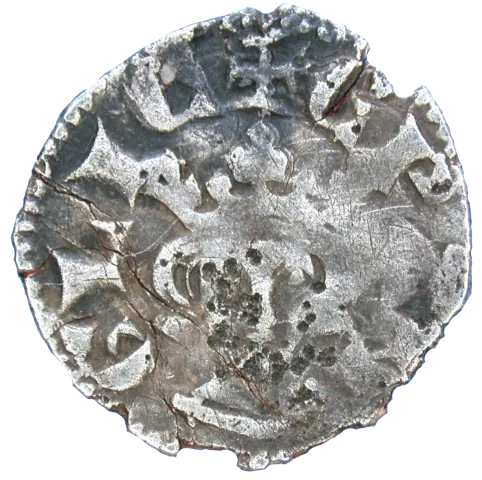
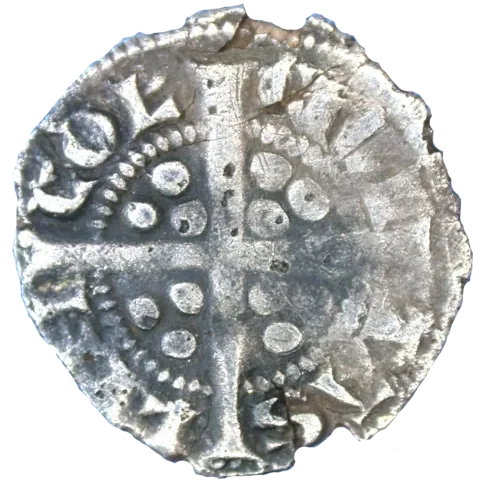
Mint: Lincoln
Type: 10
Obverse: +ERAN GLIE
Reverse: CIVI TAS LIN COL' "Long Cross" with three pellets in each quarter.
Comment: First spotted in 2006, these are quite sophisticated copies and the manufacturer has made some effort to chip bits off the edges on some examples to give the impression the coin was dug up from a field.
What's odd is that the copy is of a really badly damaged example of a Lincoln farthing which, if genuine, would be worth no more than £30 in this condition. So the copy is not being made for vast profit, but simply to trick collectors. All examples of this forgery are identical: the cracks in the flan; the flatness of the strike and the pitting of the portrait.
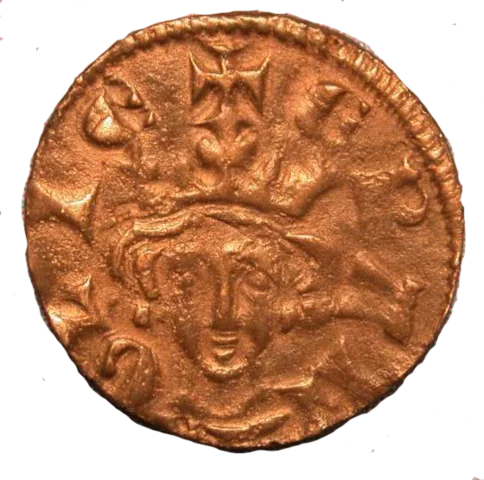
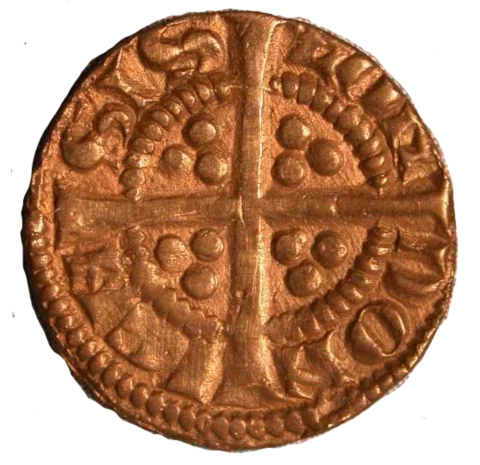
Mint: London
Type: 10
Obverse: +ERAN GLIE
Reverse: LON DON IEN SIS "Long Cross" with three pellets in each quarter.
Comment: First spotted in 2005. All examples of this forgery are identical: The pellets of the outer circle stop and start at the same place; the lettering is off the flan in the same places; and the edge of these clearly has a join or seam.
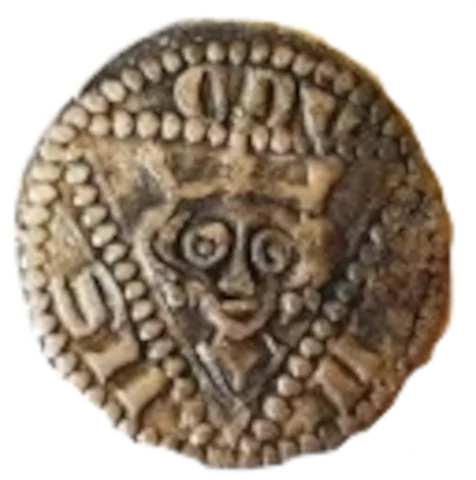
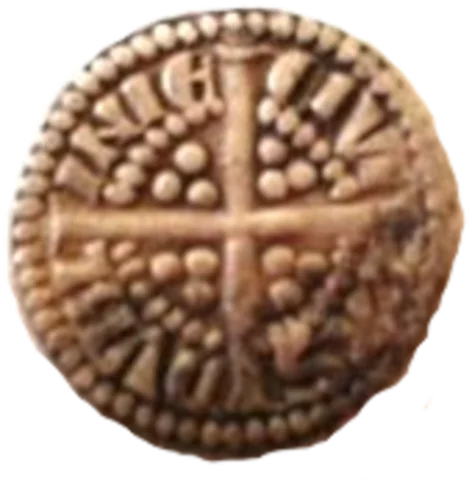
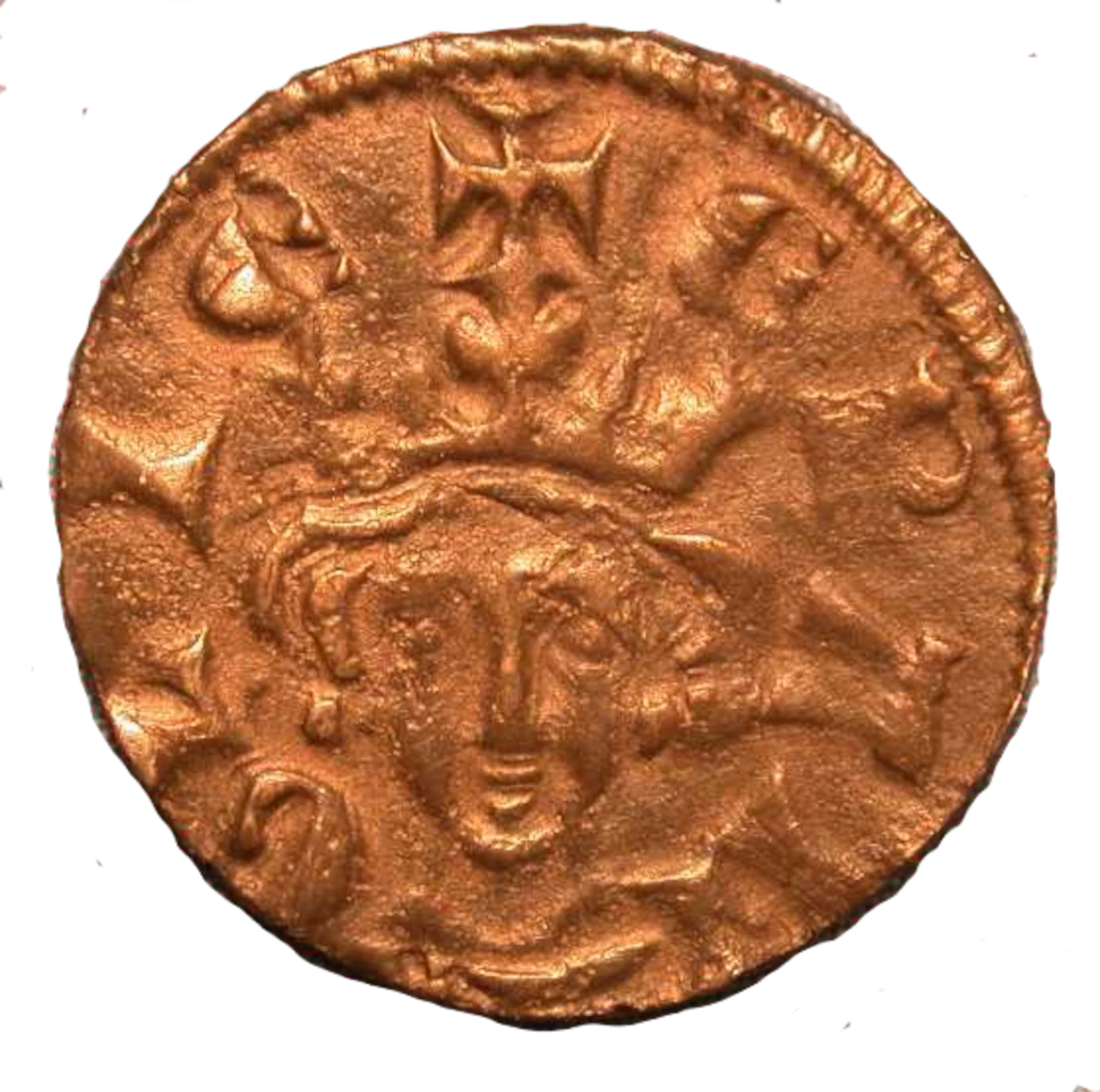
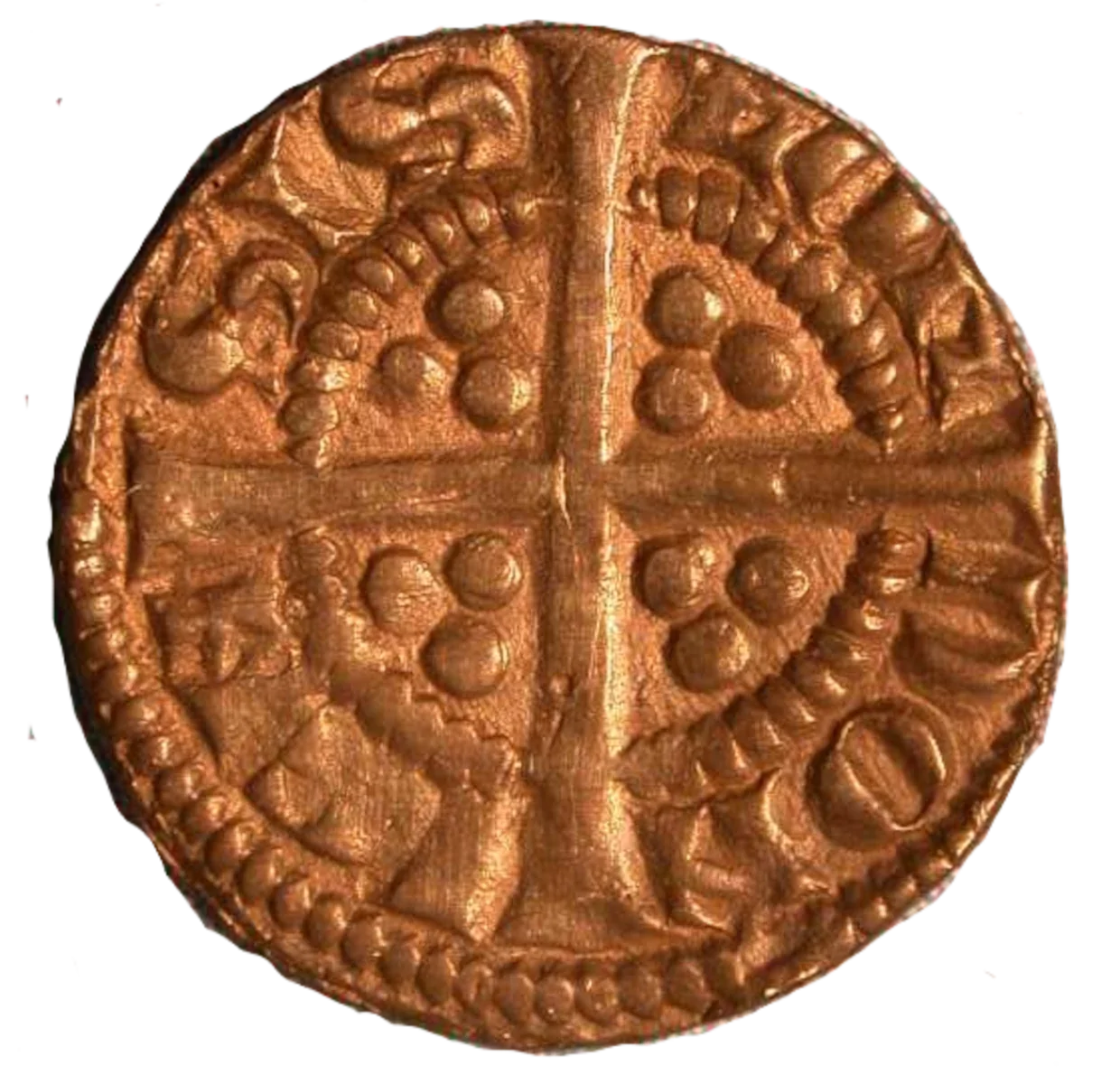
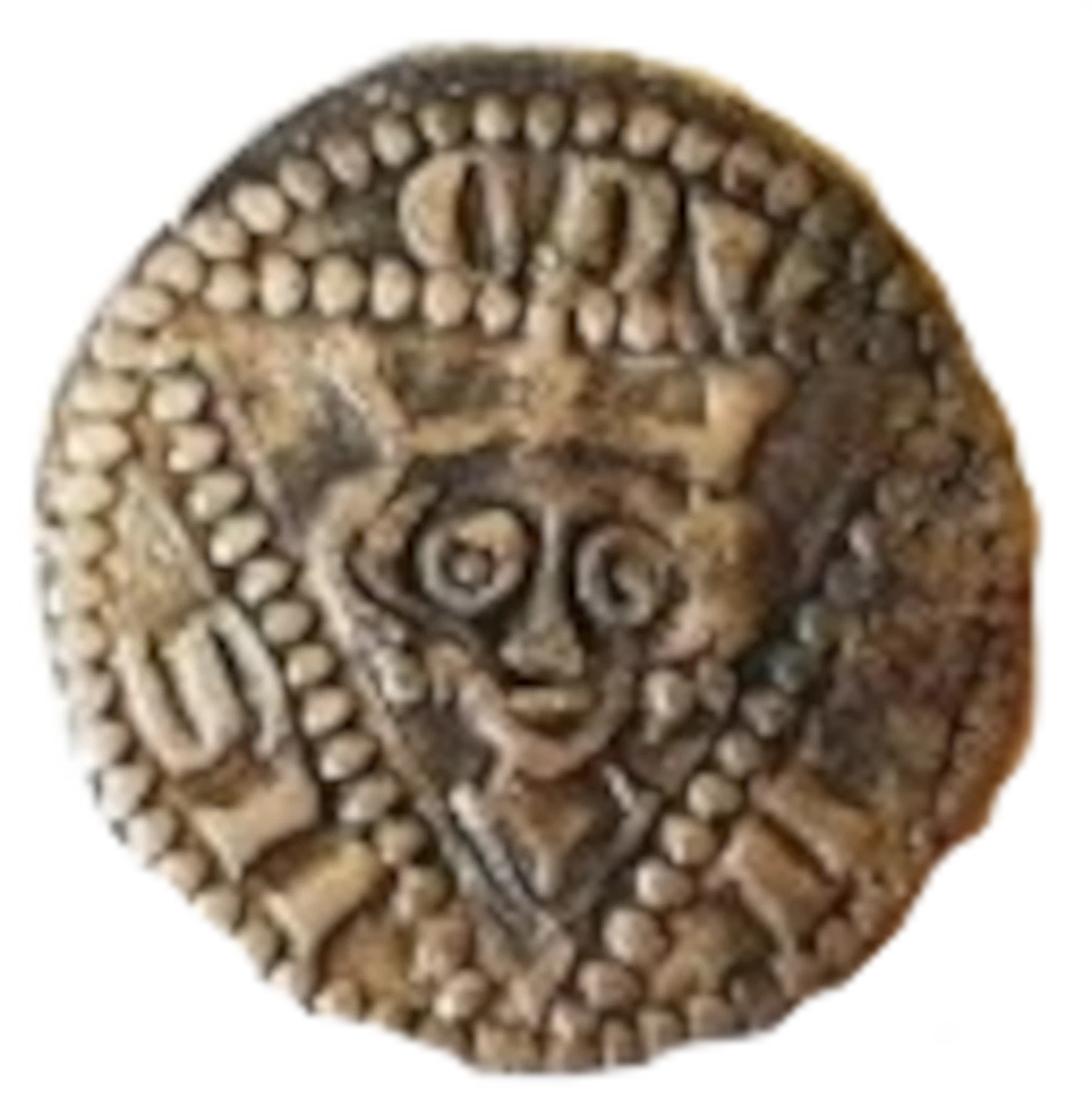
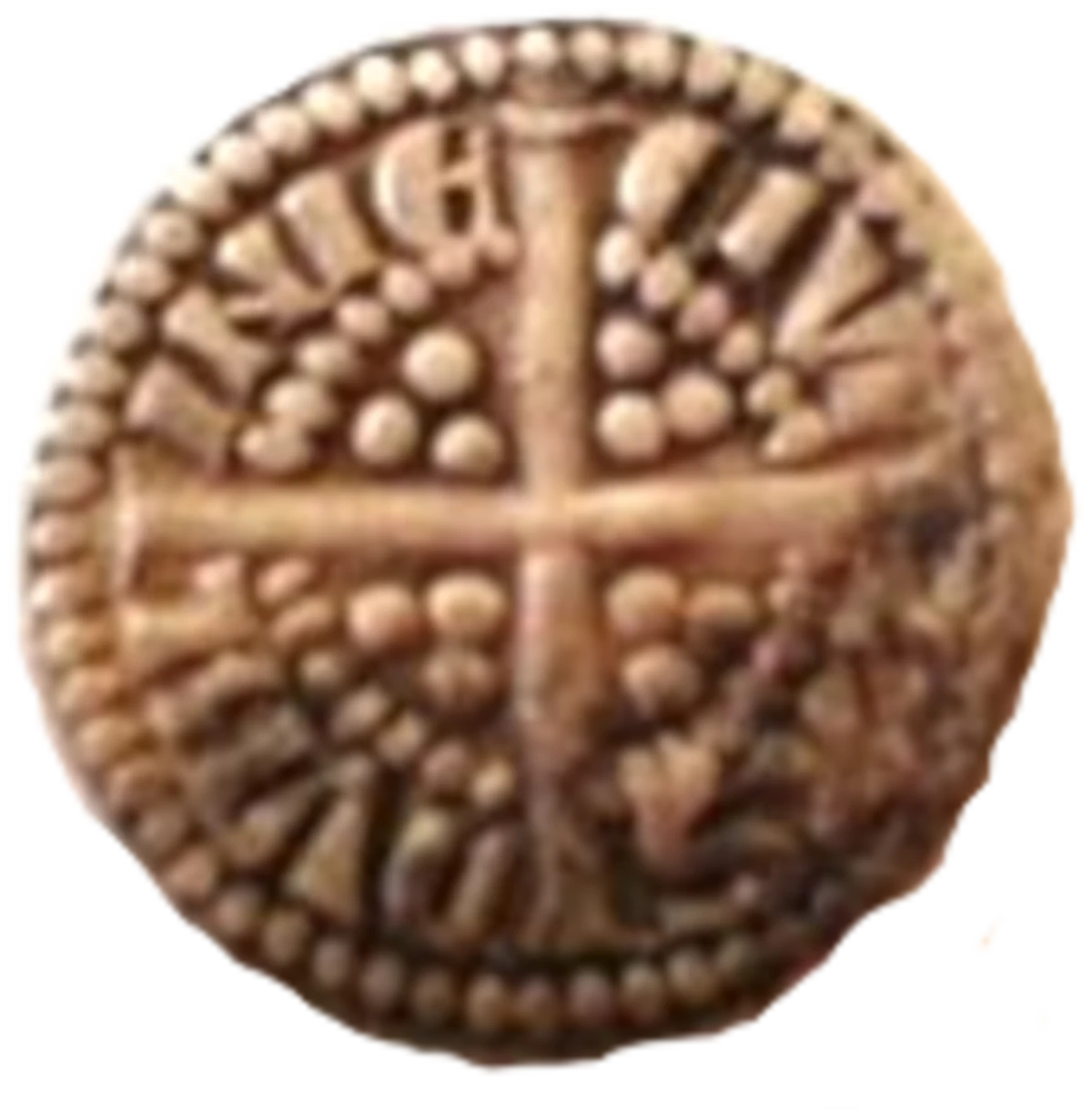
Mint: Dublin
Obverse: EDV [--]II IIS
Reverse: CIVI TAS DVBL INIE "Long Cross" with three pellets in each quarter.
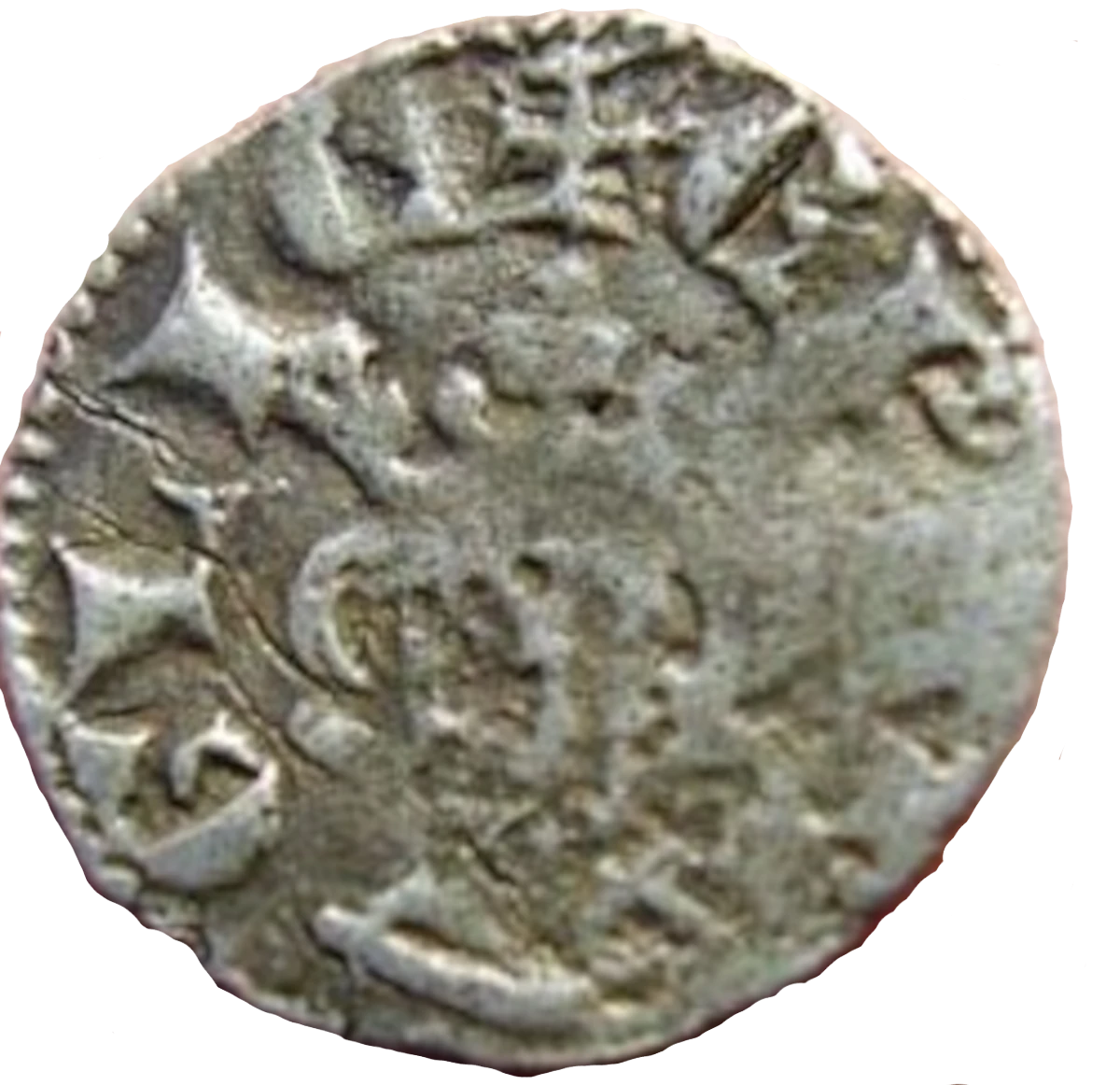
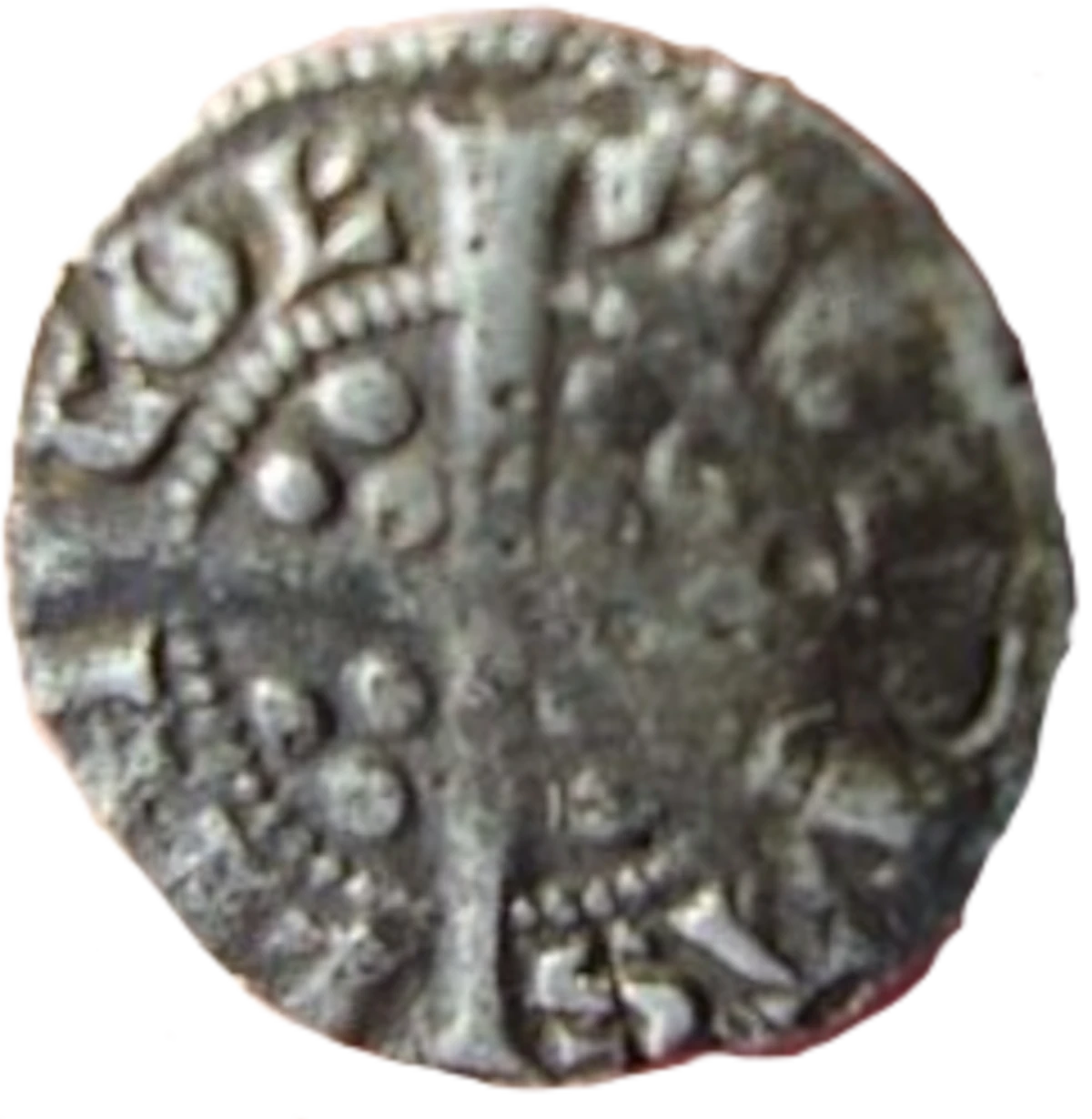
Comment: First spotted in 2015, these are clearly modern copies. Some of the tell-tail signs that it's not authentic are: the style is very different from authentic Dublin farthings; blundered obverse legend; thick flan; and a very surprised expression on the king's face. This is likely to be a museum copy made for tourists.
Farthing Fakes: Edward III
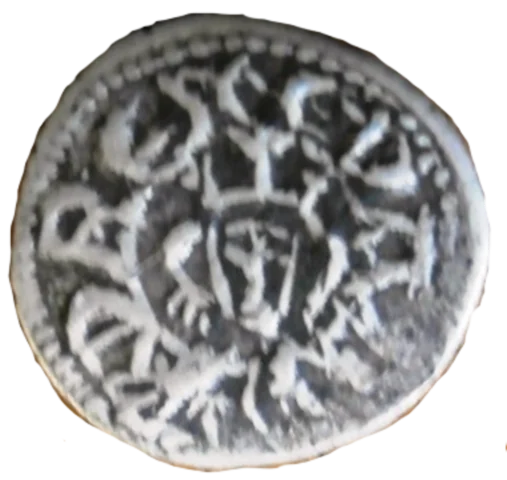
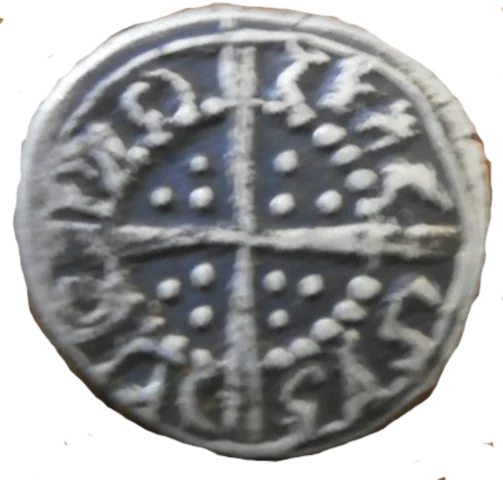
Mint: illegible
Obverse: Blundered legend
Reverse: Blundered legend "Long Cross" with three pellets in each quarter.
Comment: First spotted in 2015, these are clearly copies, with blundered legends (particularly the reverse) and very crude/amateurish worksmanship. No authentic Edward III farthing has the king's head so crudely depicted. Sadly, even these copies can fool collectors - a copy was sold by an unscupulous seller as "from my father's collection" on eBay, and fetched around £50.
Trevor Ashmore: skilled coin counterfeiter
Trevor Ashmore was an infamous manufacturer of modern copies of ancient English coins in the 1960s through the 1990s. He was a part-time coin dealer in the late 1960s and early 1970s Ashmore was a part-time coin dealer in the late 1960s and early 1970s and a precision engineer by profession, working in Nottingham and then later in Devon. In the late 1960s he started to cut dies of rare English coins as a hobby. They are not marked as copies and they can deceive collectors, as they were handstruck and often made from genuine old silver.
1
2
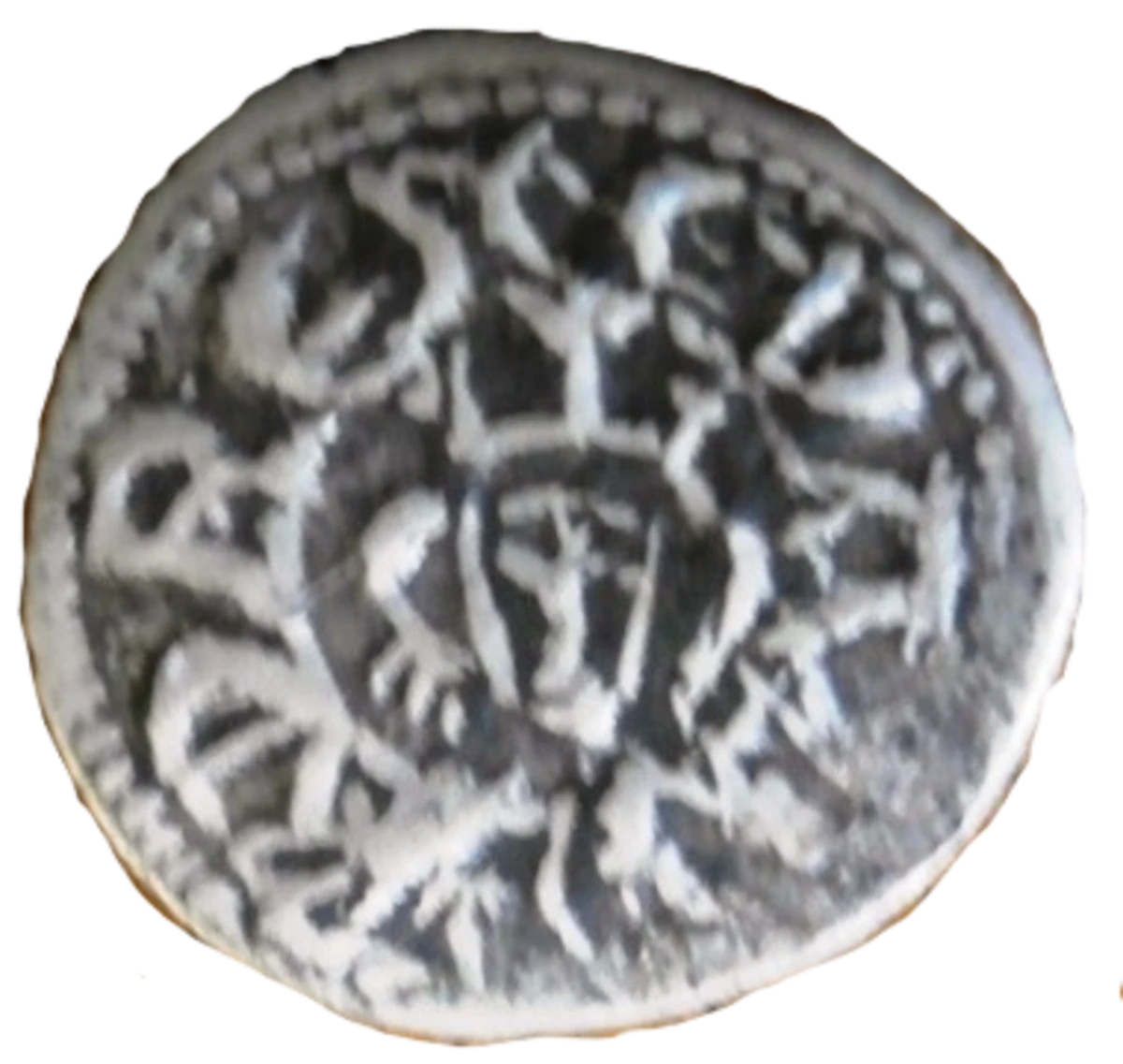
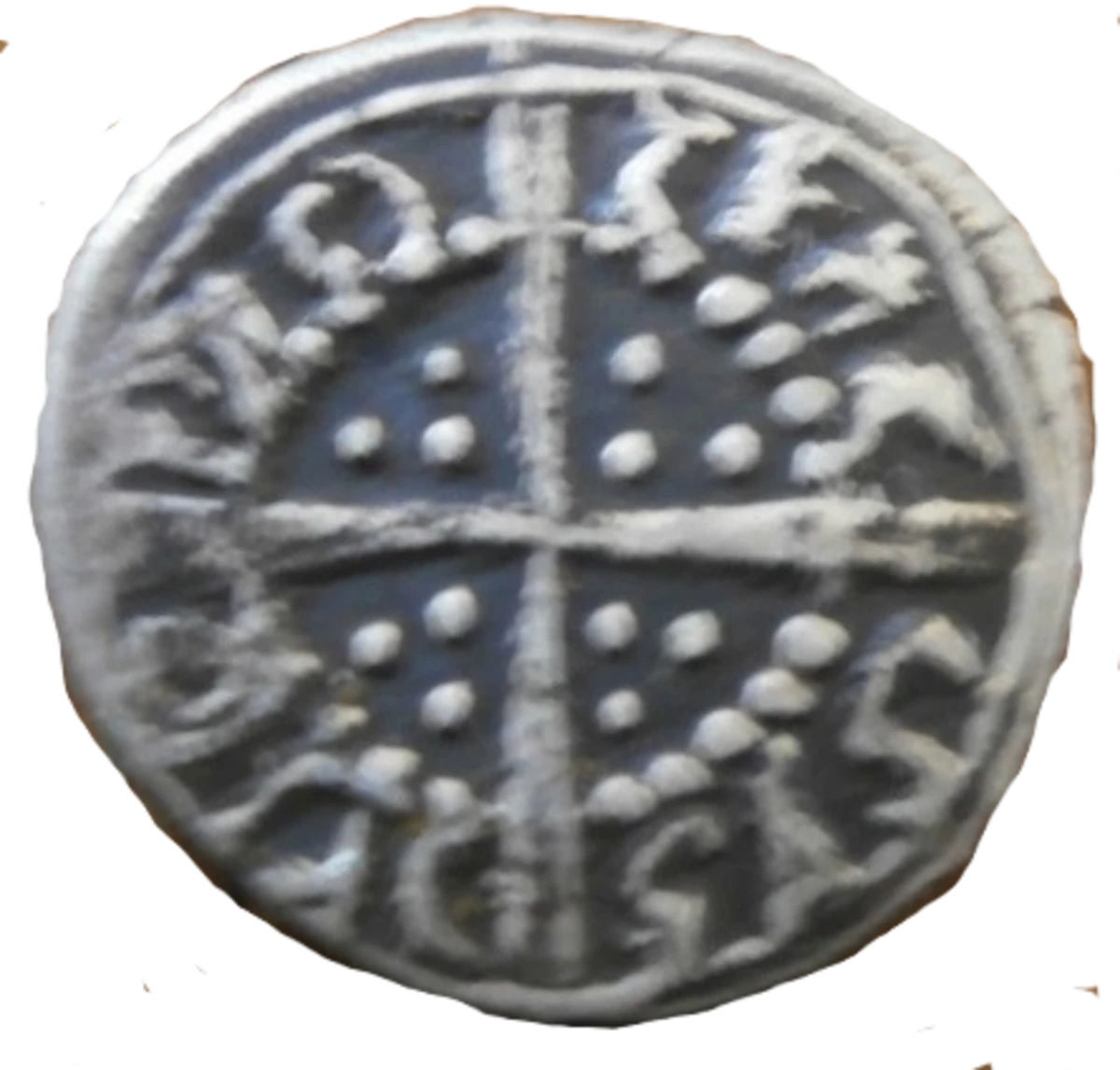
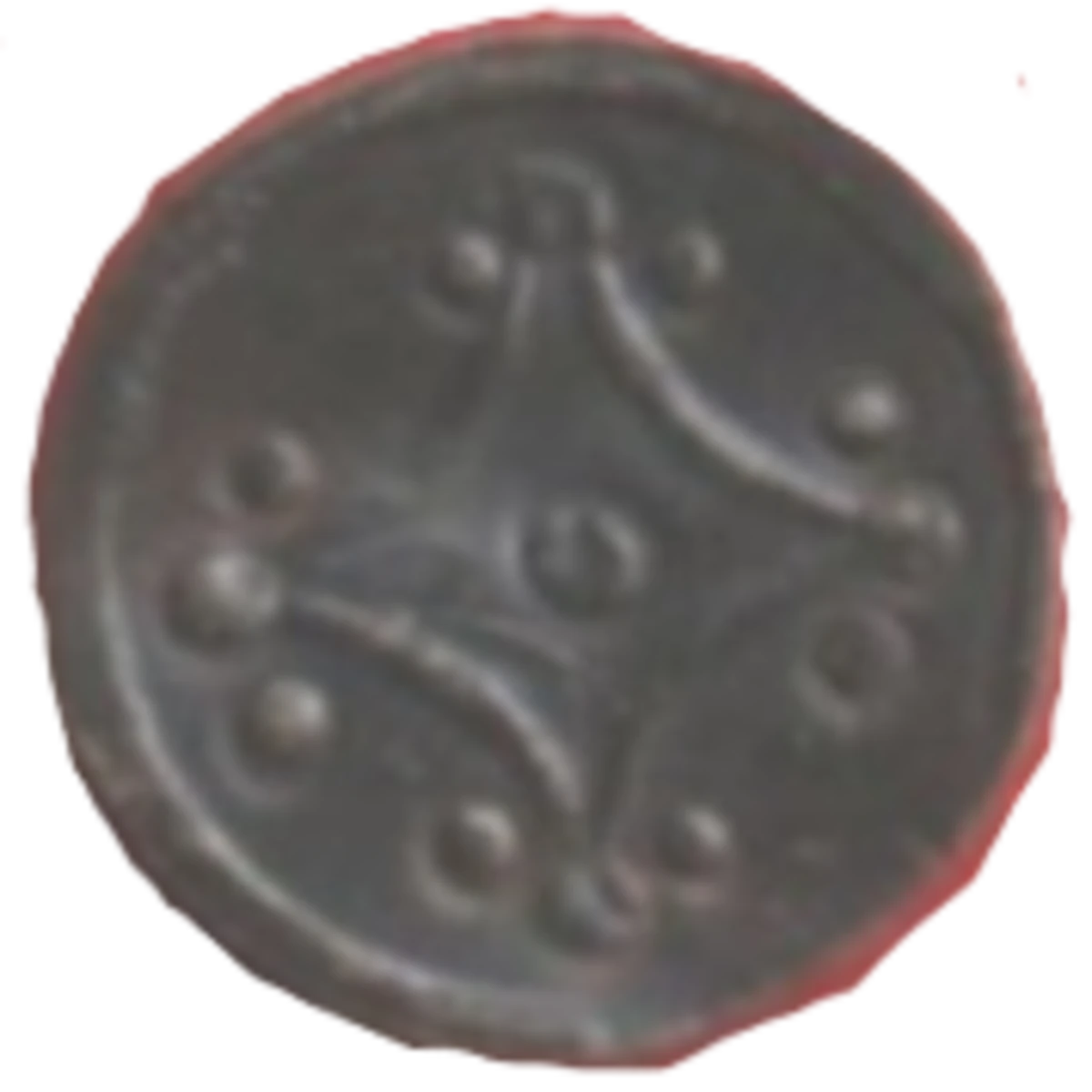
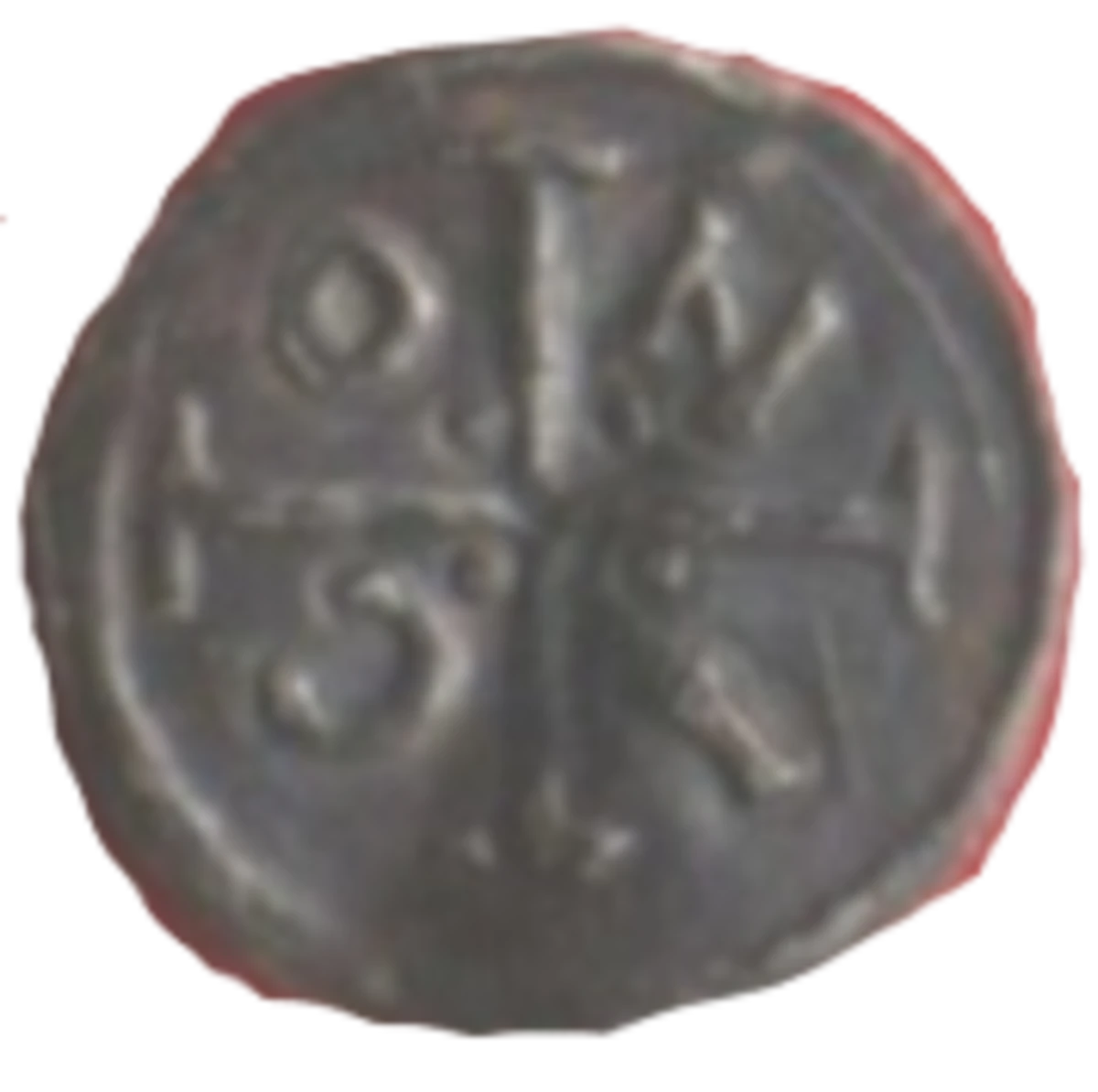
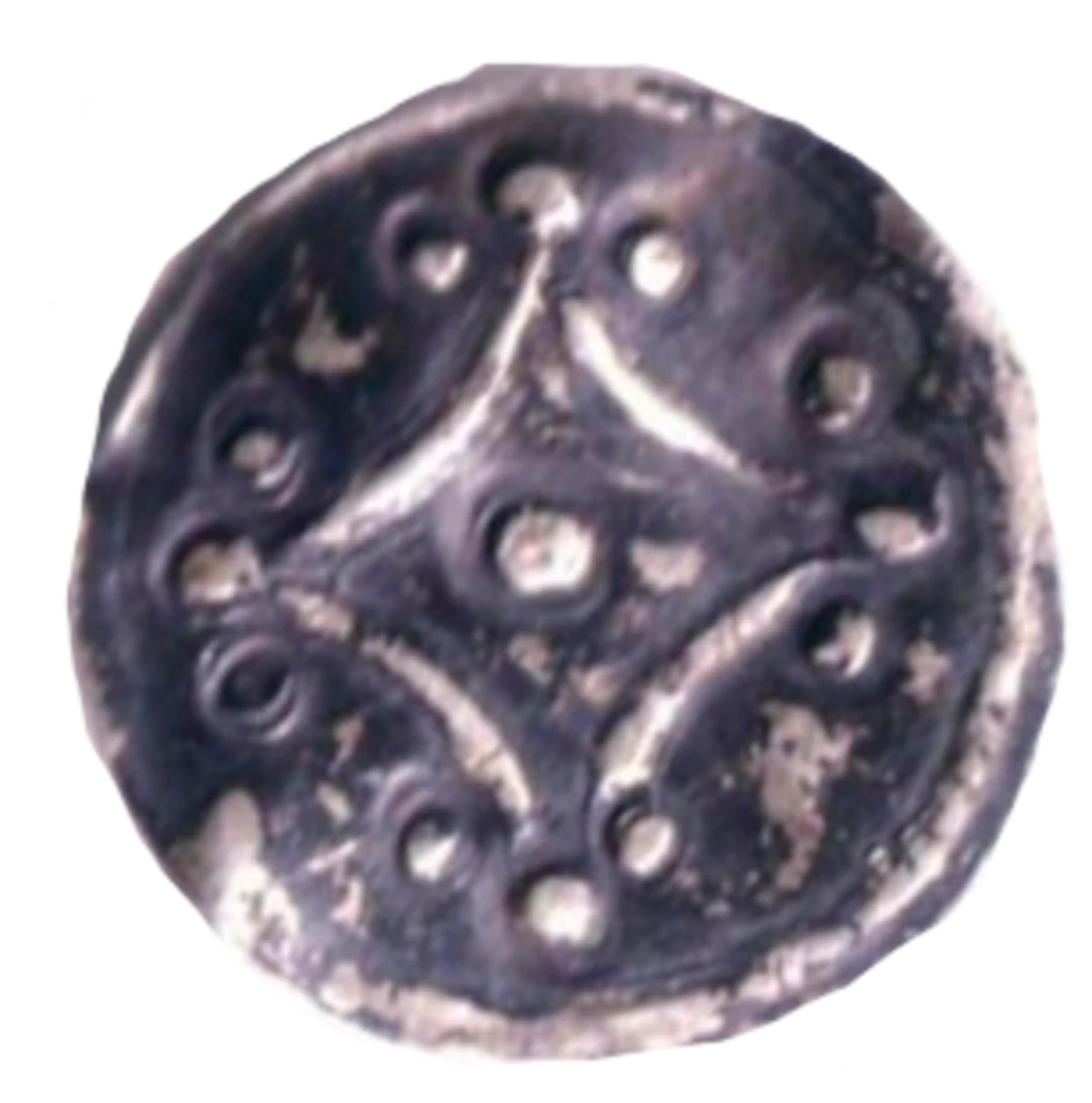
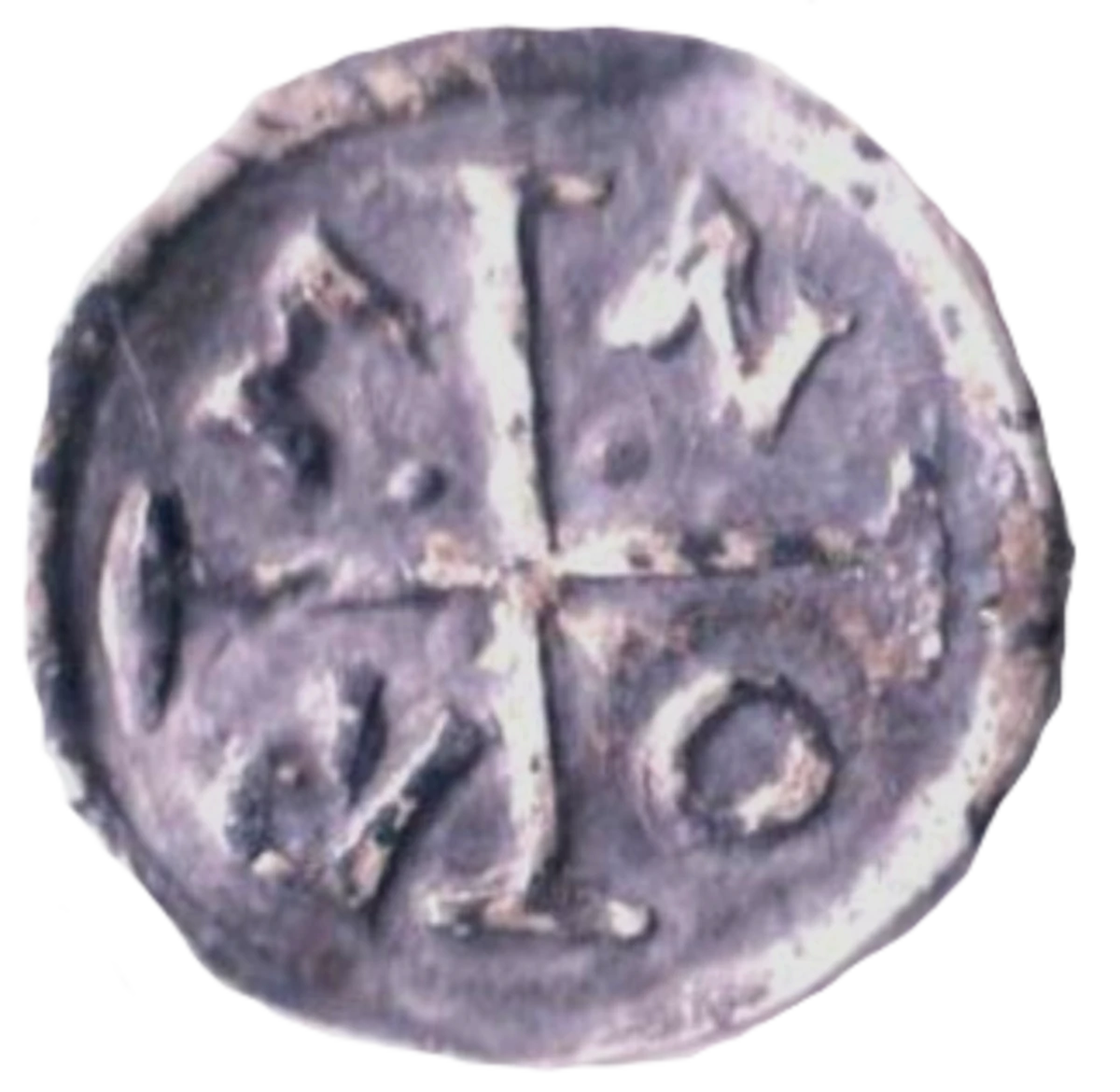
One type of coin produced by Ashmore was a John as Lord of Ireland "Mascle" farthing of the moneyer "NICO" and another by "NORM".
Farthing Fakes: John as Lord of Ireland
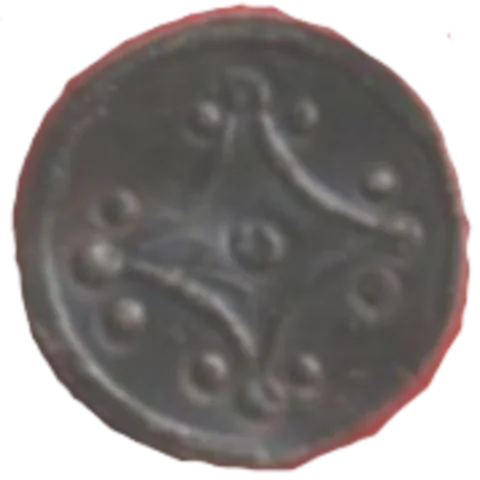
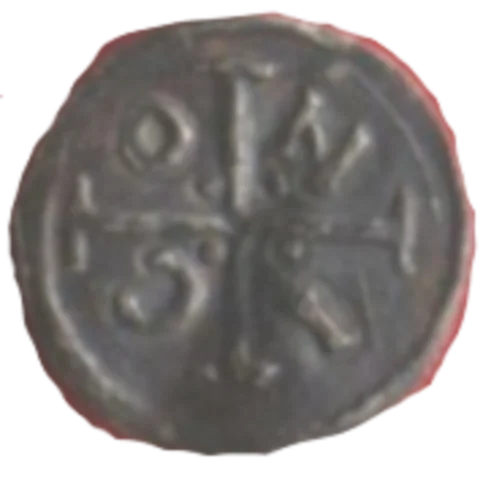
Mint: Dublin
Obverse: Large Mascle with pellets at the end of each point.
Reverse: NICO "Long Cross" with a letter in each quarter and a pellet under each letter.
Comment: One easy way to identify these coins is by the thin lettering, as compared to the thick lettering on authentic coins.
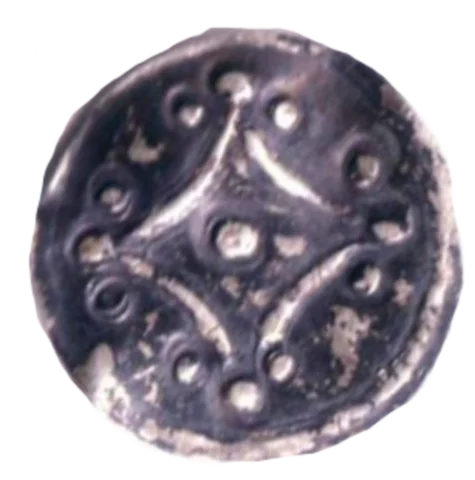
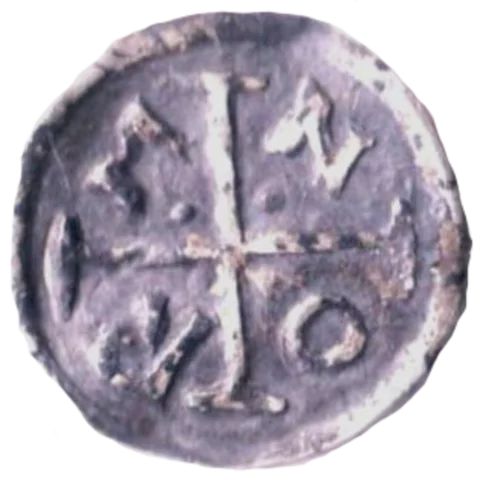
Mint: Dublin
Obverse: Large Mascle with pellets at the end of each point.
Reverse: NORM "Long Cross" with a letter in each quarter and a pellet under each letter.
Comment: One easy way to identify these coins is by the thin lettering, as compared to the thick lettering on authentic coins.
Footnotes
Research & Resources
Contact
For corrections, additional examples, or research enquiries, please email:
admin@hammeredfarthings.co.uk