Henry VII (1457-1509)
Following a coup that resulted in the death of Richard III at the Battle of Bosworth, Henry VII ascended the English throne on 22 August 1485. Henry coronation was on the 30 October 1485, and three days later he issued his first indenture regarding England's coinage. Henry adopted various strategies to protect the circulating coinage: he issued new coins, targeted counterfeiting and clipping, and restricted the use of inferior Irish and continental coins. At the beginning of his reign, he issued a proclamation forbidding the export of gold or silver as money, bullion, or plate; in 1490 a statute made the unlicensed export of coin a felony. Henry VII's astute fiscal policies restored the Royal Treasury (which his successor Henry VIII then squandered).
Historical Context
Royal indentures of 1485, 1492, and 1505 authorised the regular production of silver farthings under Henry VII, with consistent standards of weight and fineness...
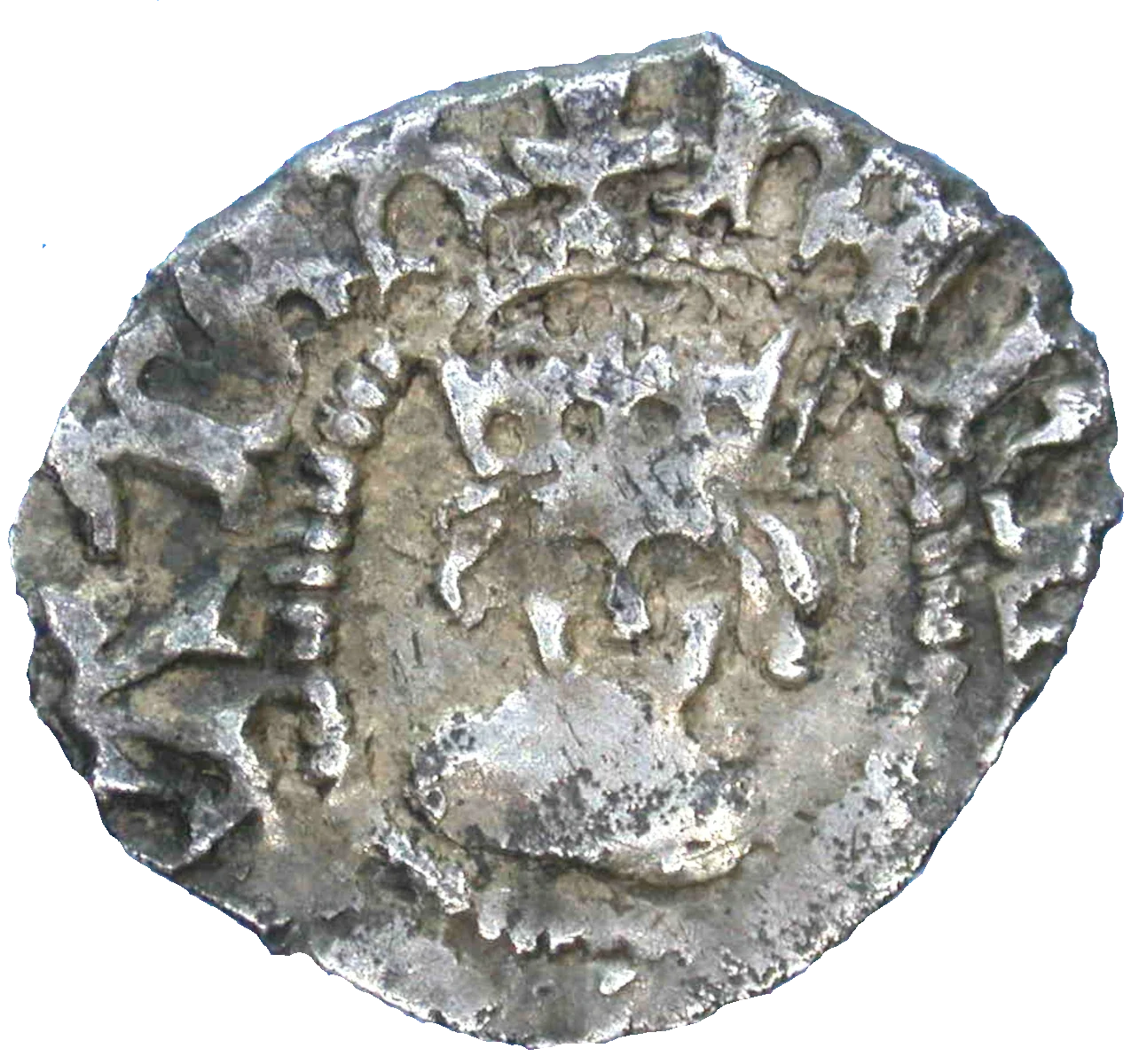
Coin Characteristics: Facing Bust Issue
- Metal: Silver
- Denomination: Farthing (¼ penny)
- Mint(s): London
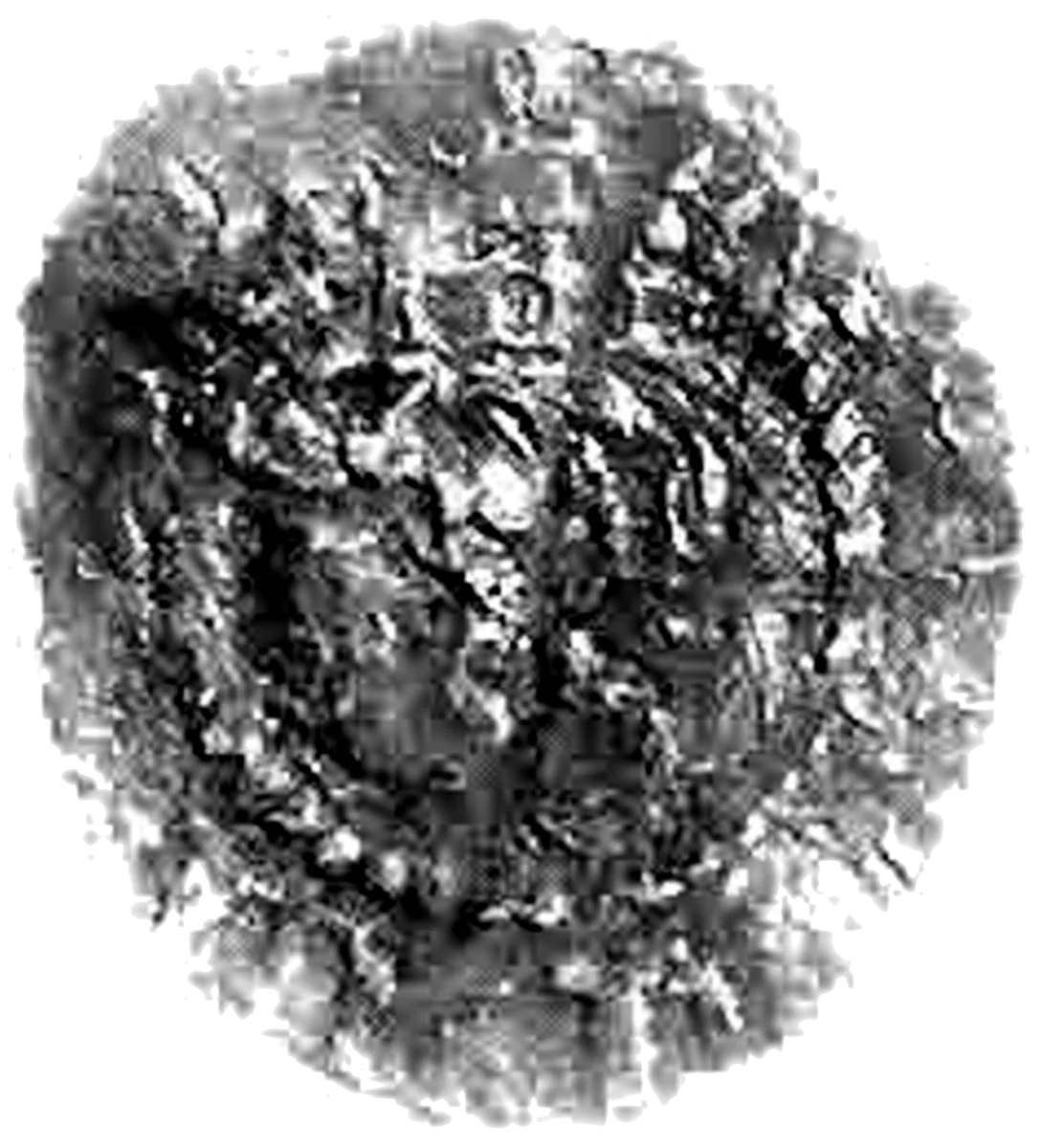
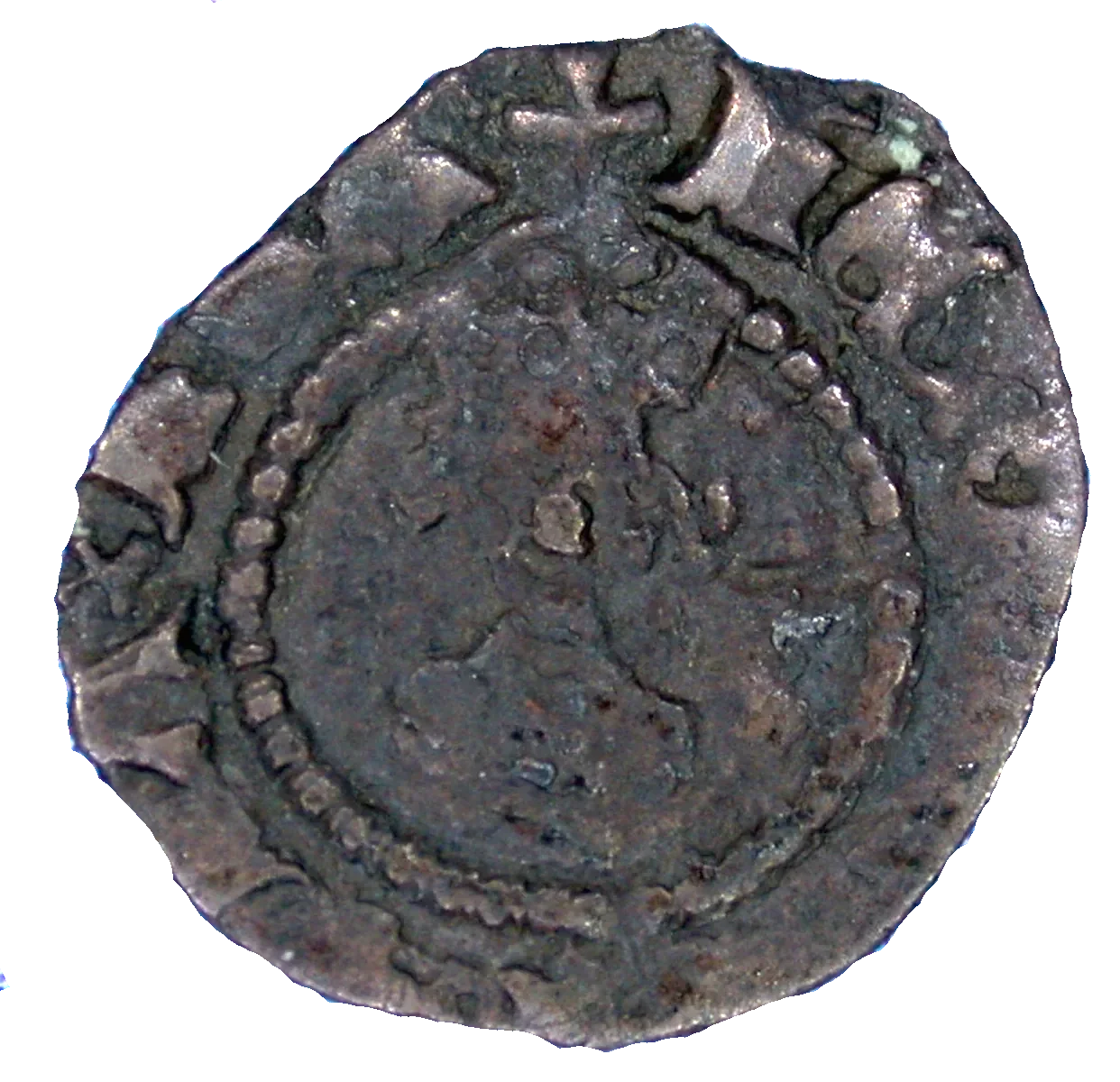
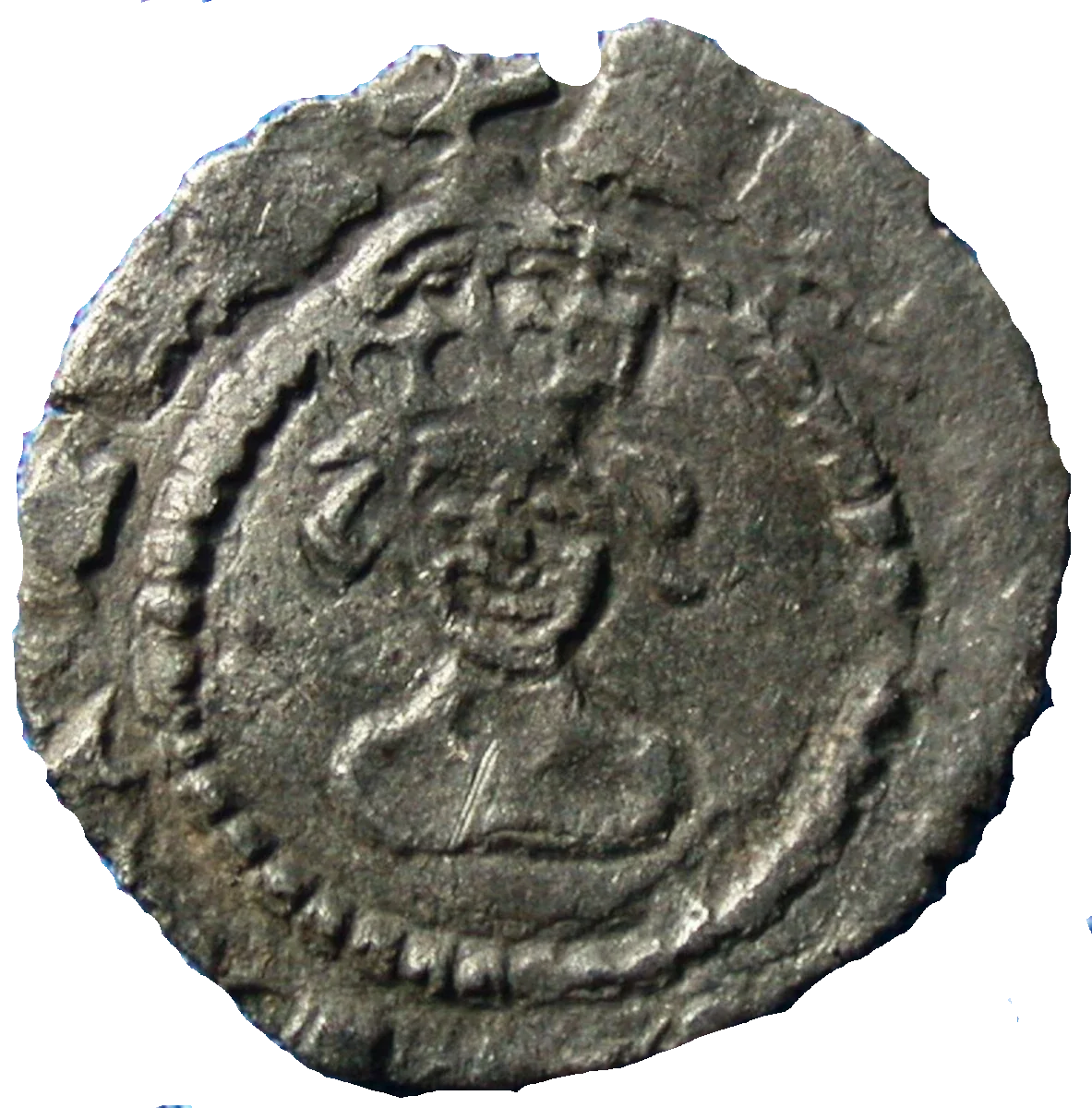
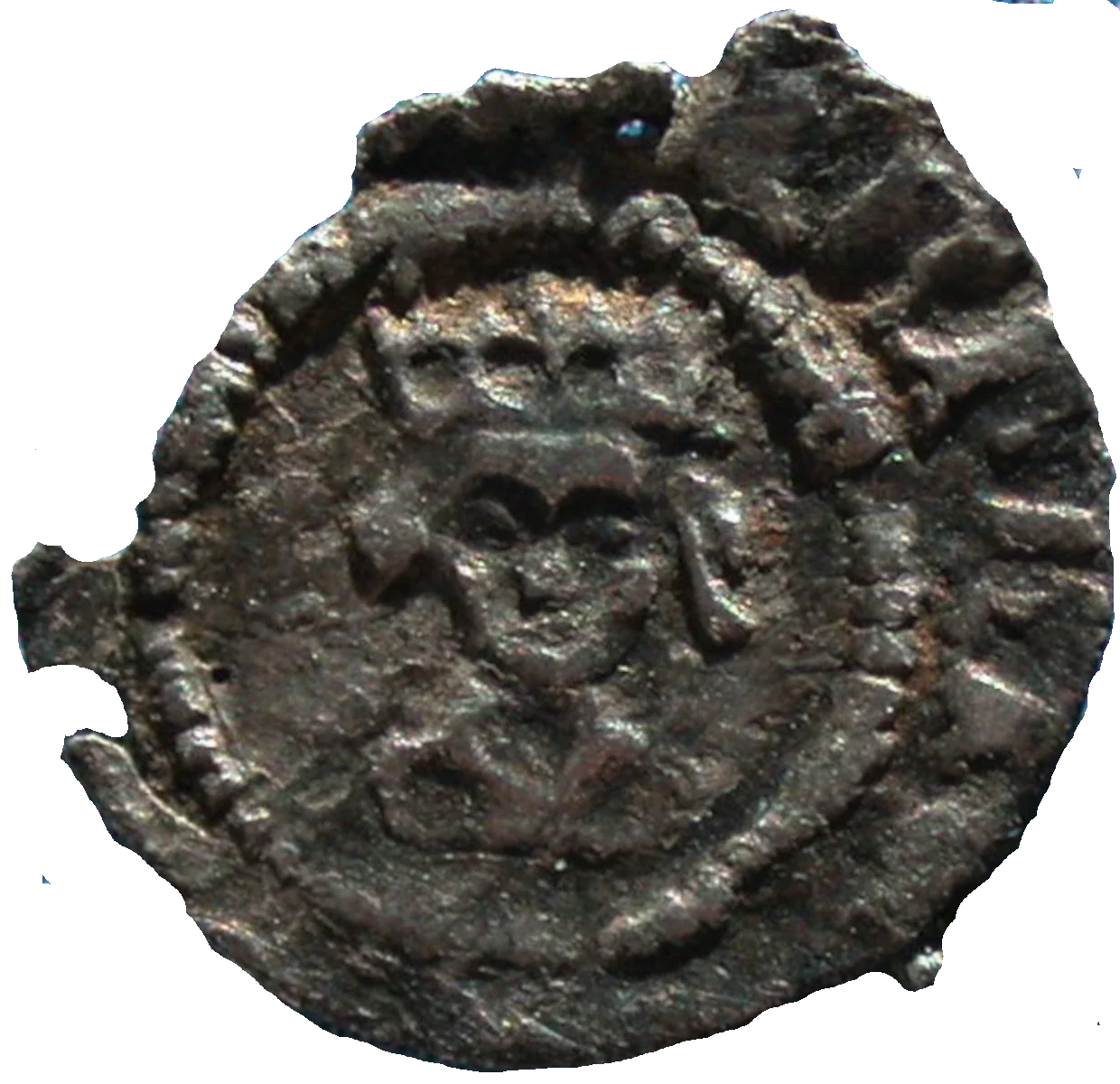
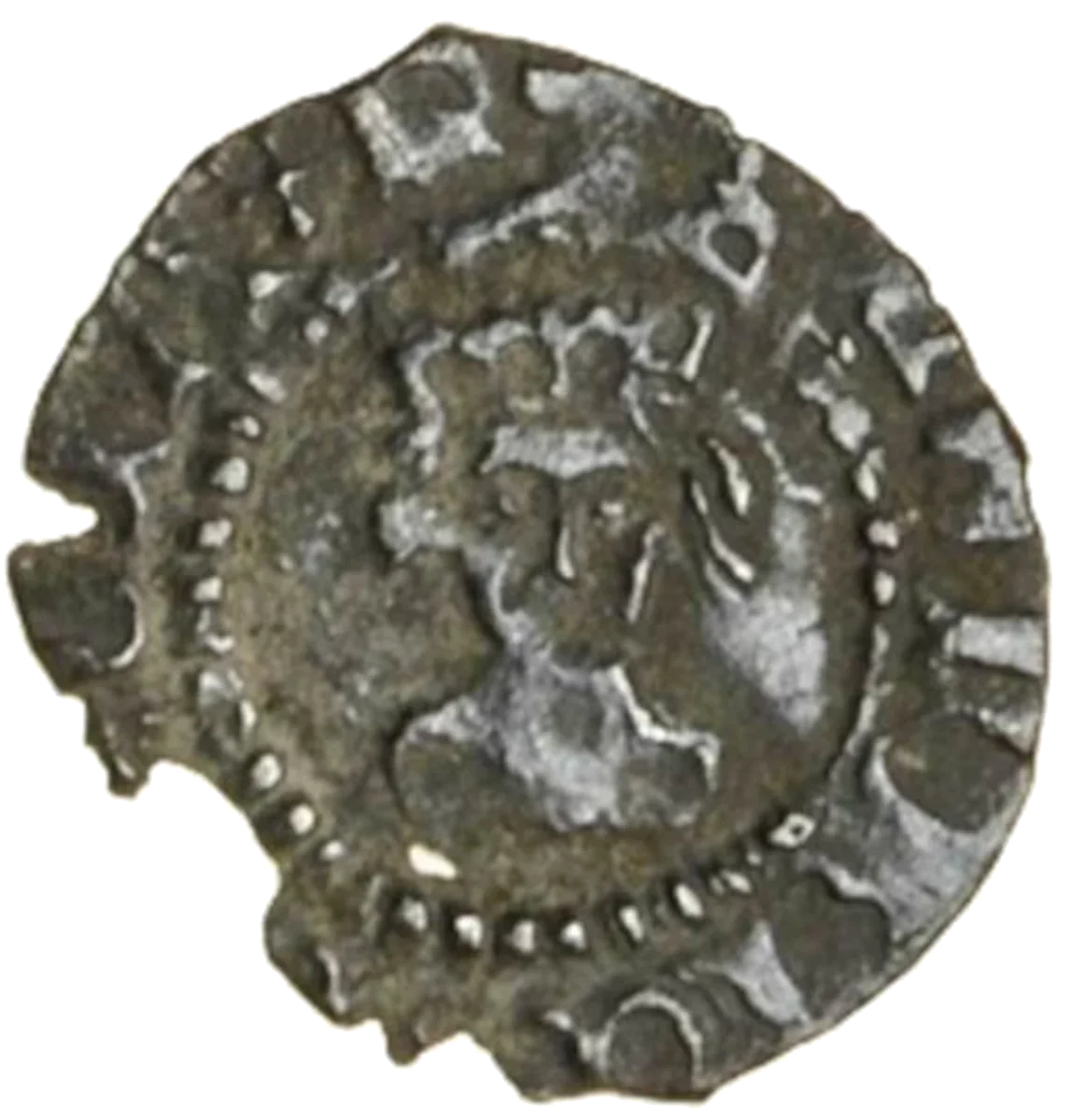
- Obverse: Crowned bust, single arched crown, no mintmark
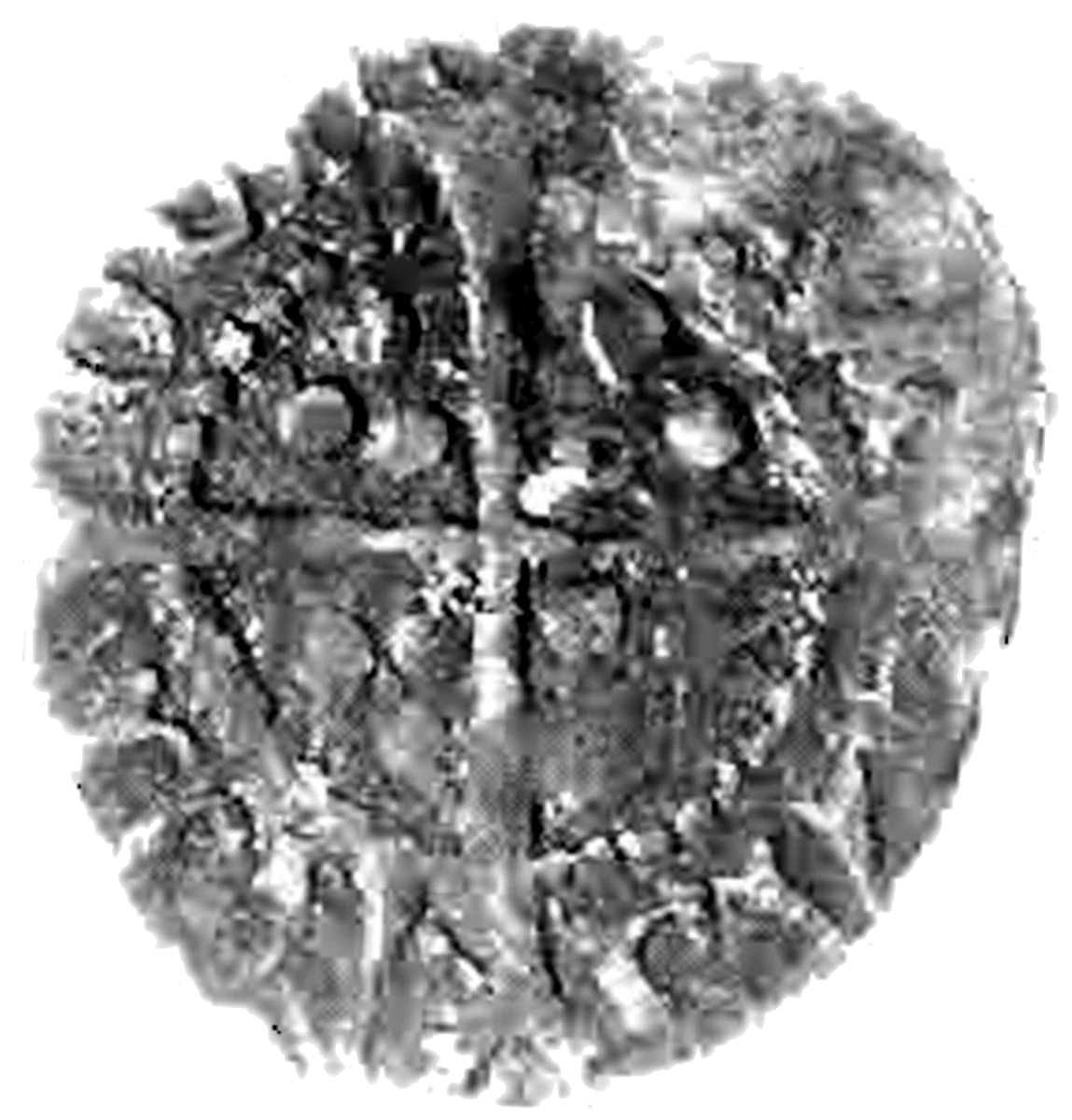
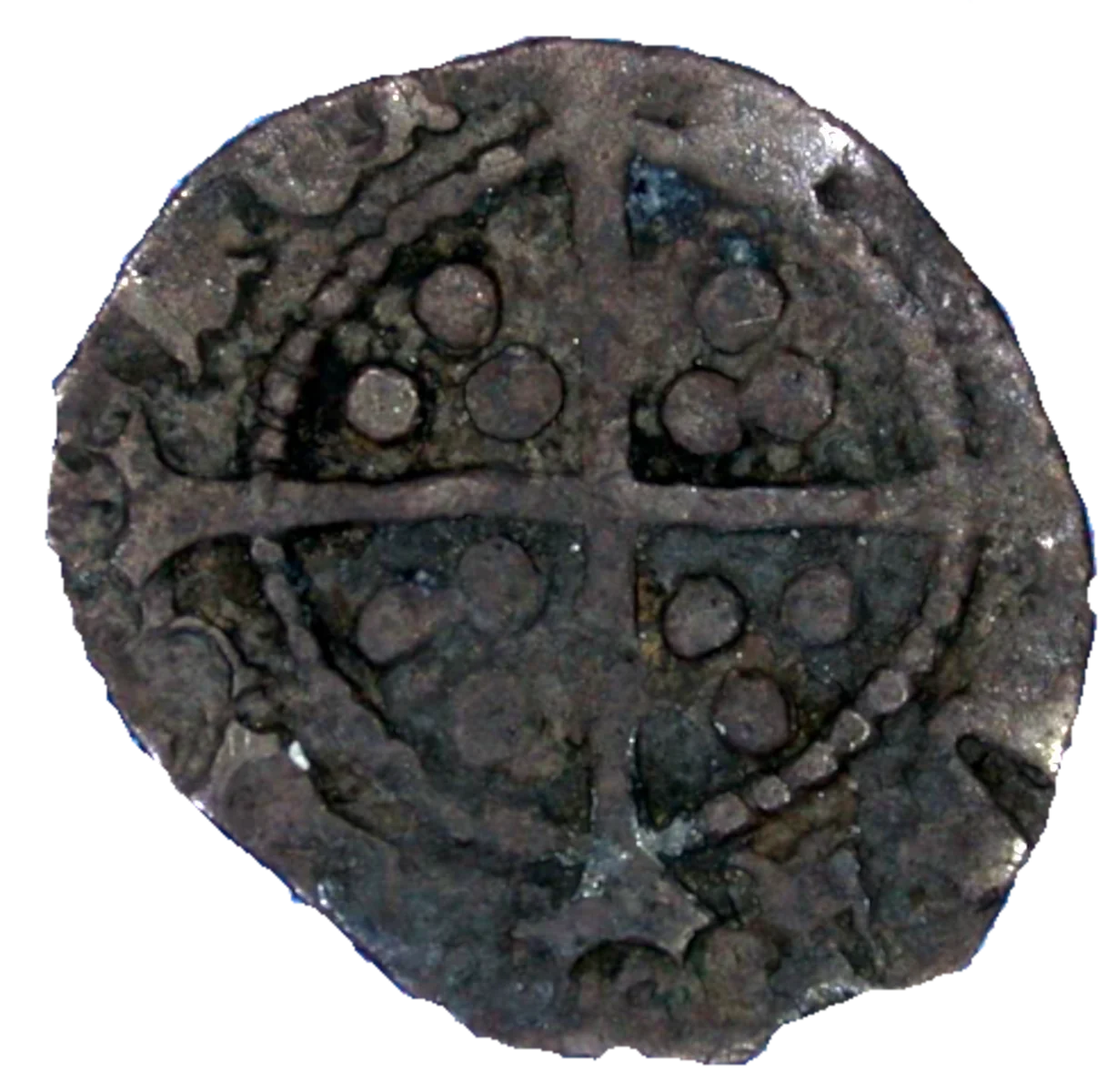
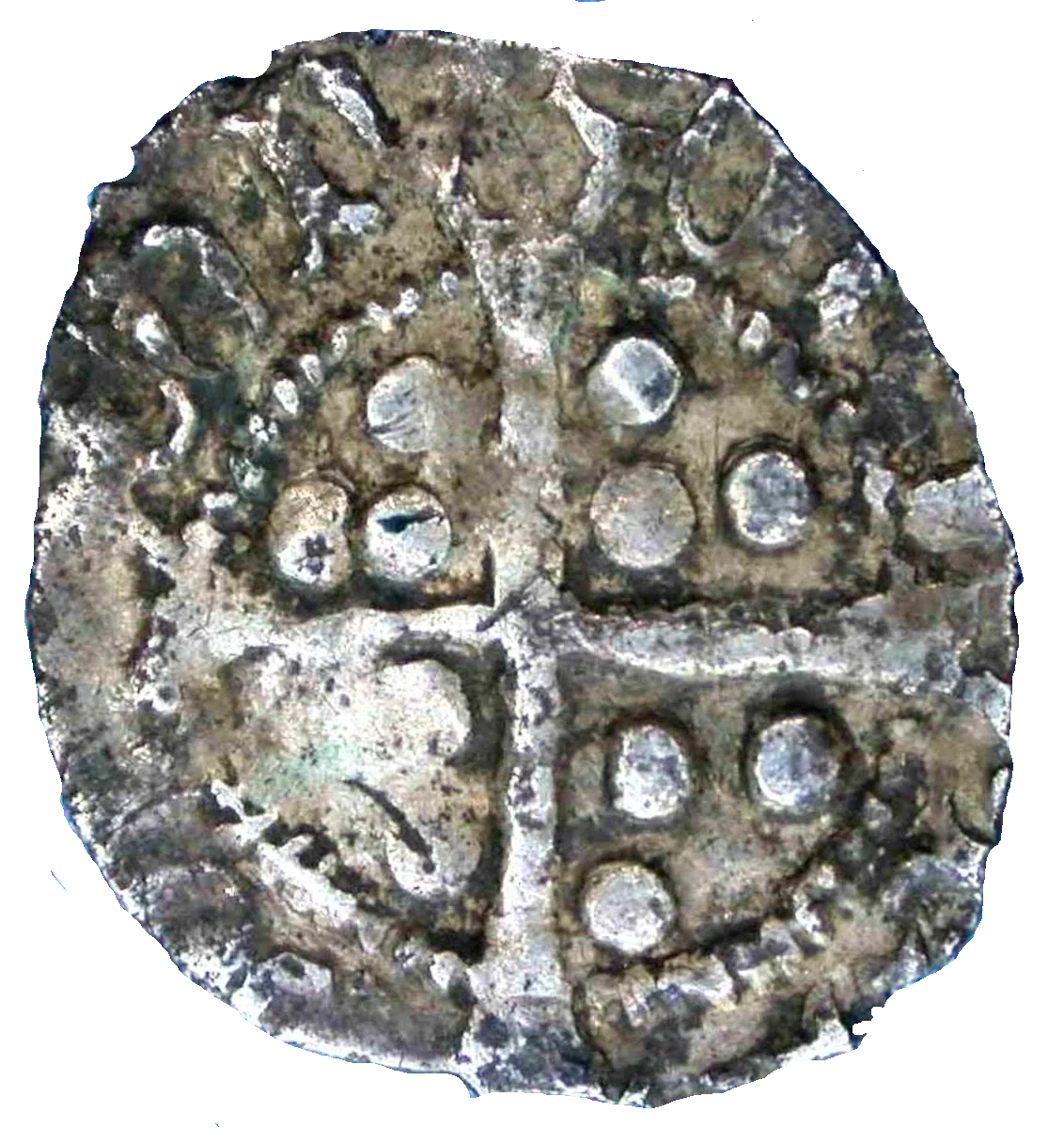
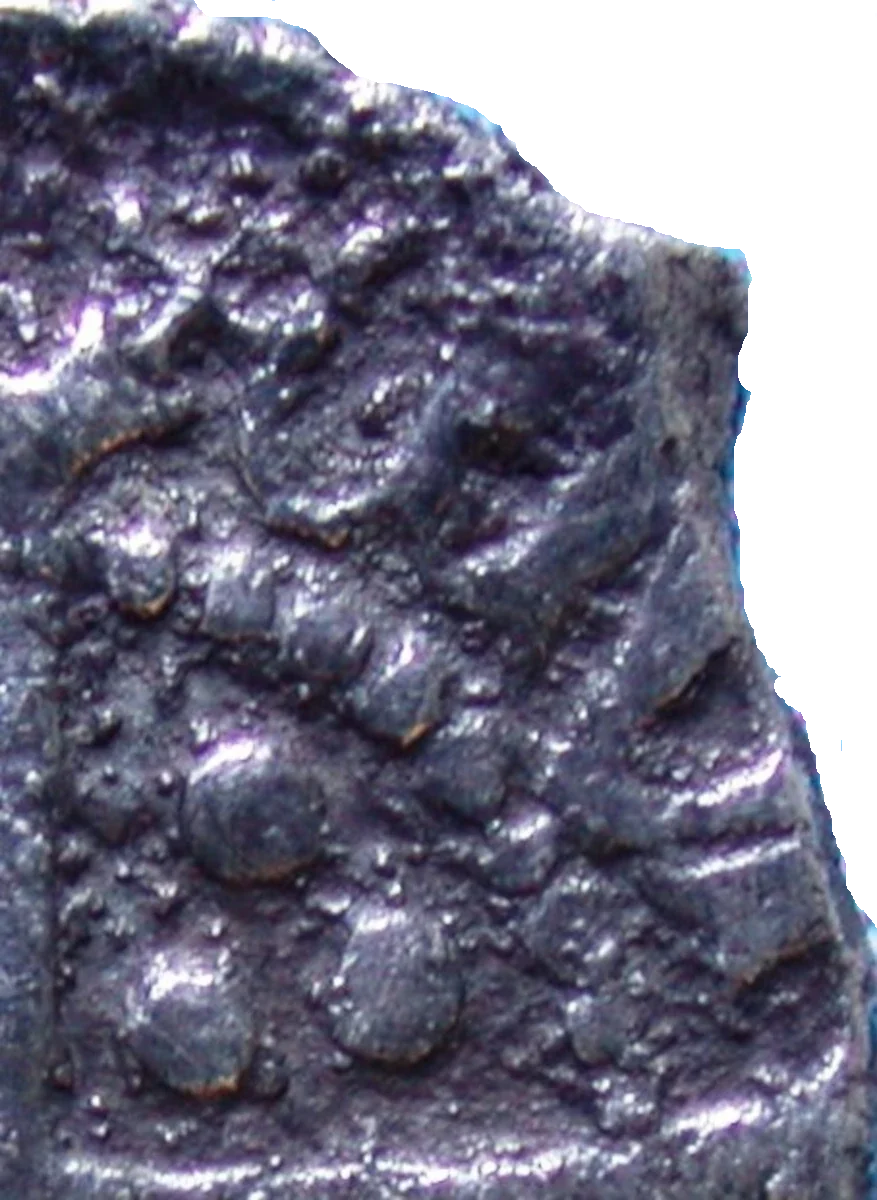
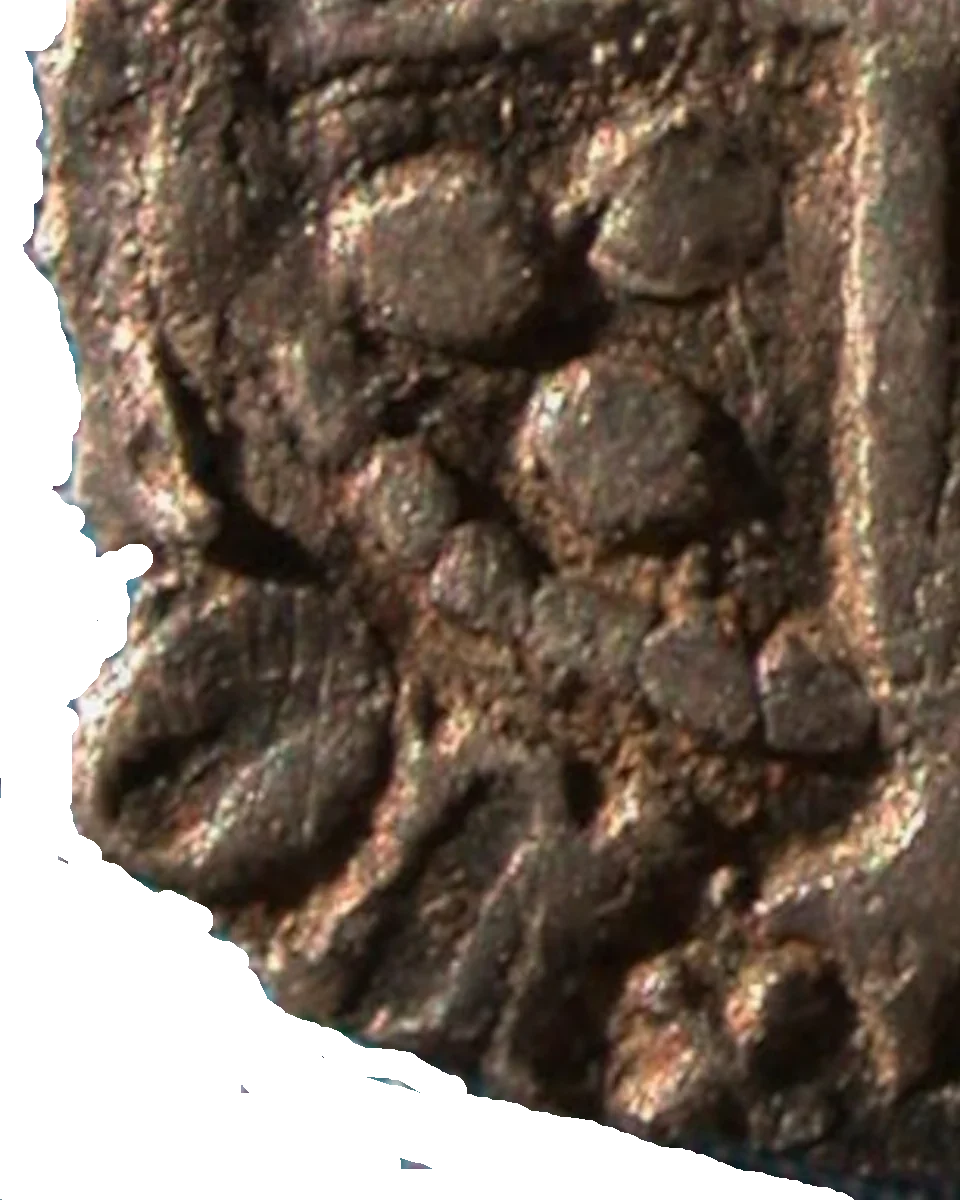
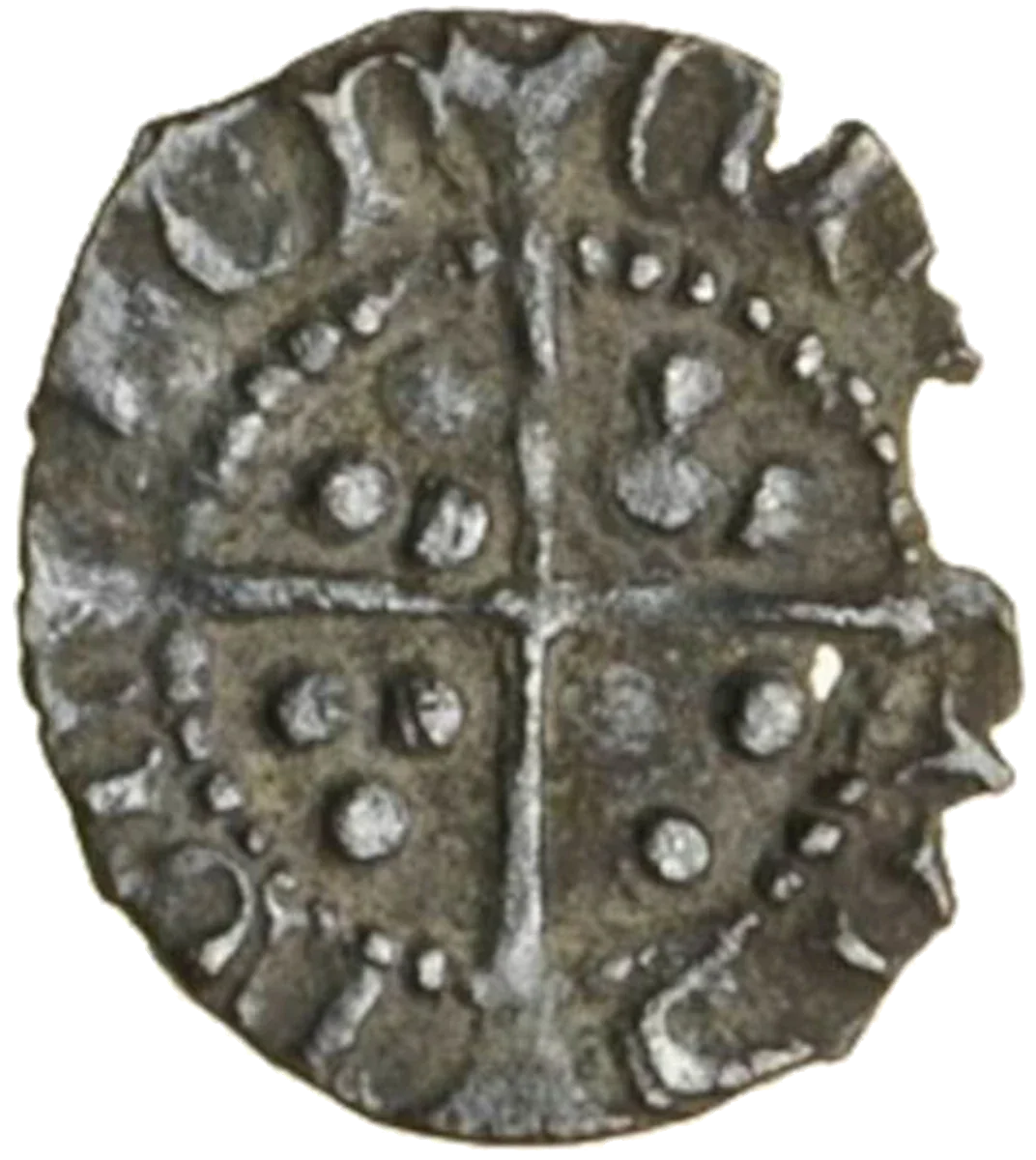
- Reverse: Long cross fourchée and 3 pellets in each quarter
- Coin diameter: 10mm
- Inner circle diameter: 6mm
- Weight: 0.16-0.20g
Coin Examples
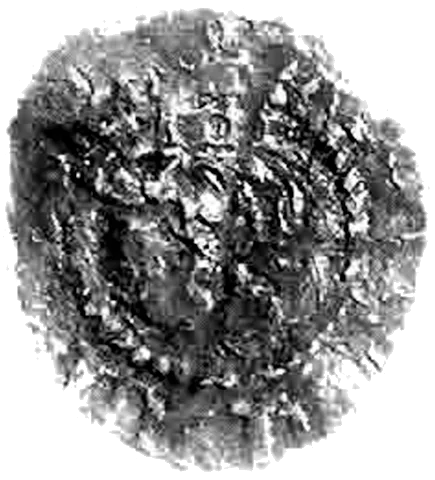
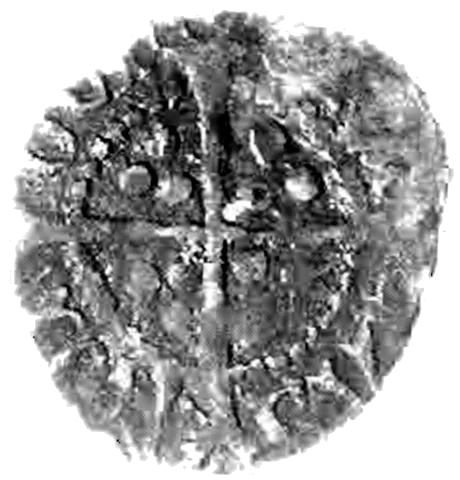
Year(s): 1485-1509
Mint: London
Type/Class: 1.1a
Obverse: hEnRIC DI [GRA REX]
6
Legend translated: Henry by the Grace of God, King
Reverse: CIVITAS LOnDOn "Long Cross" pattée with three pellets in each quarter.
Reference(s): S.2250, North 1739, Withers 1/a
Scarcity: Extremely rare
Guide Price: £575 (Fine) £1500 (Very Fine)
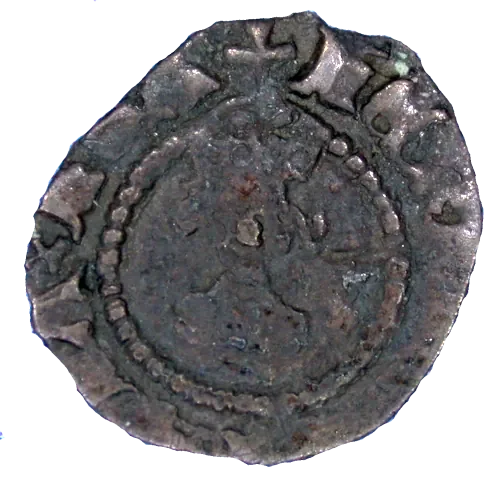
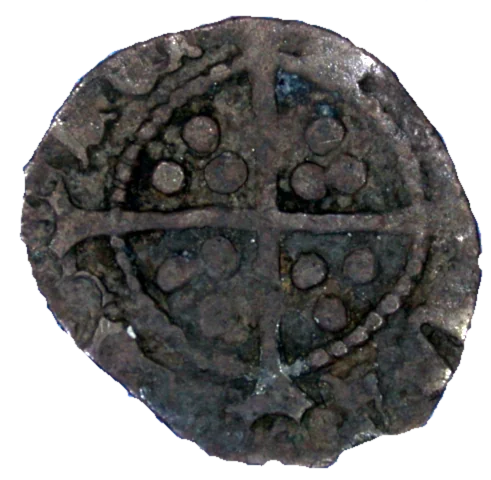
Year(s): 1485-1509
Mint: London
Type/Class: 1.2a
Obverse: hEn[RIC DI] GRAxREXx
Legend translated: Henry by the Grace of God, King
Reverse: CIVITAS LOnDOn "Long Cross" pattée with three pellets in each quarter.
Reference(s): S.2250, North 1739, Withers 2/a
Scarcity: Three known
Guide Price: £575 (Fine) £1500 (Very Fine)
Year(s): 1485-1509
Mint: London
Type/Class: 1.3a
Obverse: hEnRI[C DI GRA RE]X A
Legend translated: Henry by the Grace of God, King of England
Reverse: CIVITAS LOnDOn "Long Cross" pattée with three pellets in each quarter.
Reference(s): S.2250, North 1739, Withers 3/a
Scarcity: Extremely rare
Guide Price: £450 (Fine) £1750 (Very Fine)
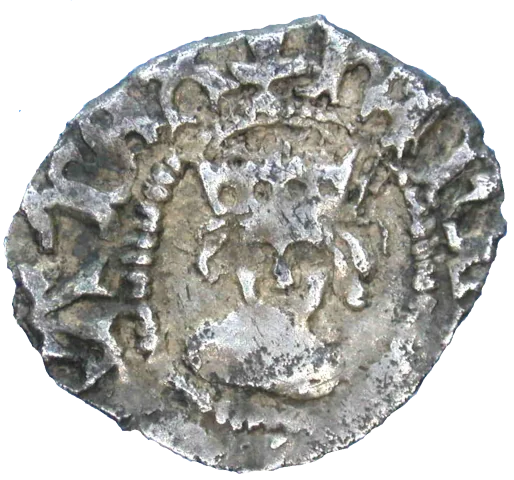
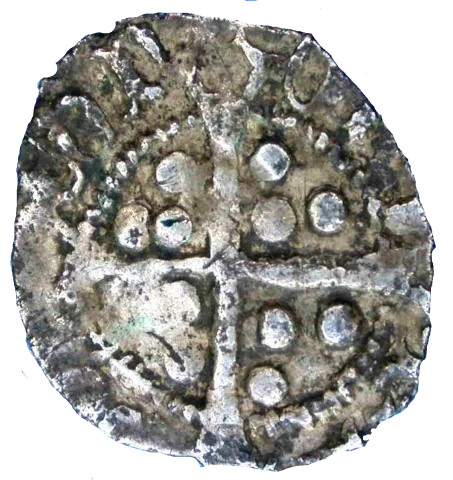
Year(s): 1485-1509
Mint: London
Type/Class: 1.4a
Obverse: hEnR[IC DI GR]A' REX
Legend translated: Henry by the Grace of God, King
Reverse: CIVITAS LOnDOn "Long Cross" pattée with three pellets in each quarter.
Reference(s): S.2250, North 1739, Withers unrecorded variety
Scarcity: Extremely rare
Guide Price: £450 (Fine) £1750 (Very Fine)
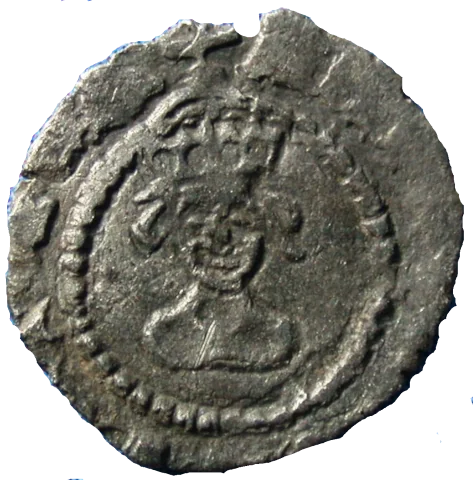
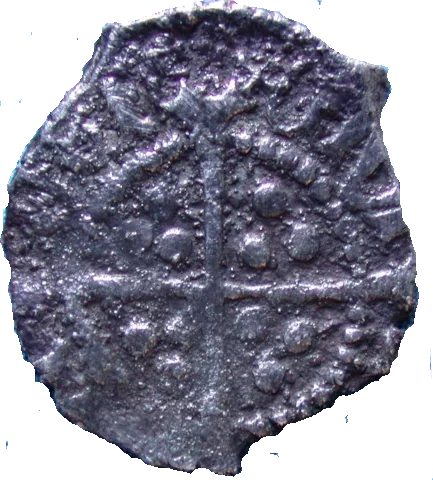
Year(s): 1485-1509
Mint: London
Type/Class: 1.1b
Obverse: hE[nRIC DI GR]A REX
Legend translated: Henry by the Grace of God, King
Reverse: xCIVITAS LOnDOn "Long Cross" pattée with three pellets in each quarter.
Reference(s): S.2250, North 1739, Withers unrecorded variety
Scarcity: One known
Guide Price: £450 (Fine) £1750 (Very Fine)
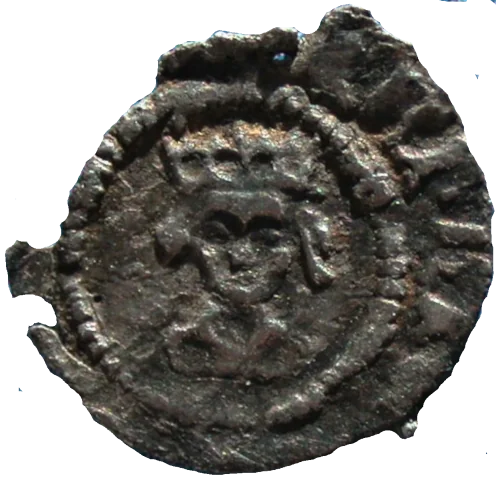
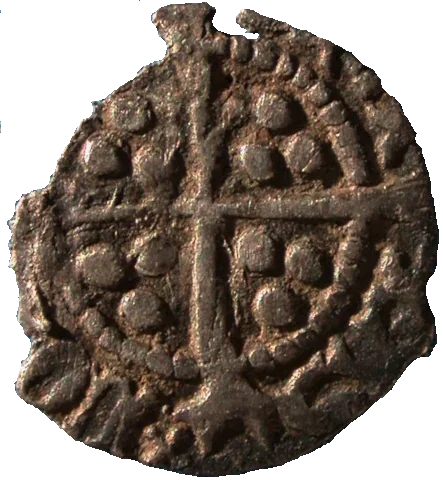
Year(s): 1485-1509
Mint: London
Type/Class: 1.1c
Obverse: [h]EnRIC [DI GRA REX]
Legend translated: Henry by the Grace of God, King
Reverse: CIVITAS xLOnDOn "Long Cross" pattée with three pellets in each quarter.
Reference(s): S.2250, North 1739, Withers unrecorded variety
Scarcity: Two known
Guide Price: £450 (Fine) £1750 (Very Fine)
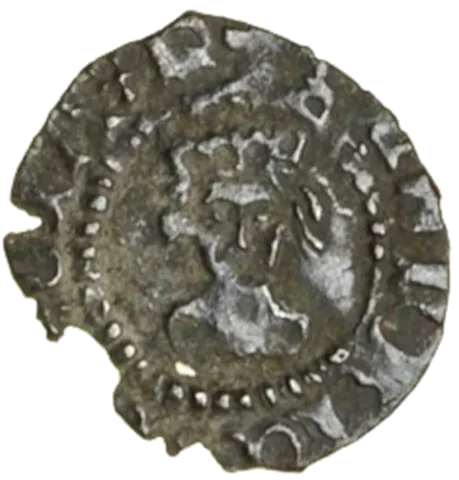
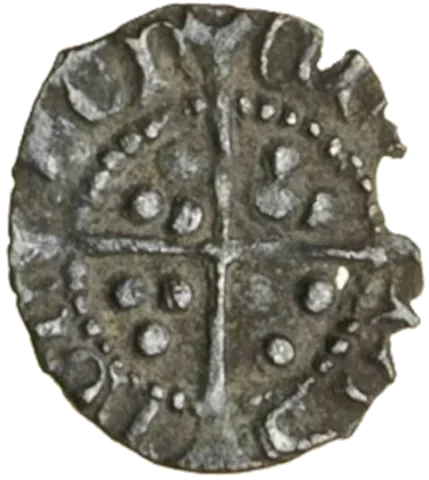
Year(s): 1485-1509
Mint: London
Type/Class: 1.5a
Obverse: hEnRIC [DI] GRA xR
Legend translated: Henry by the Grace of God, King
Reverse: CIVITAS LOnDOn "Long Cross" pattée with three pellets in each quarter.
Reference(s): S.2250, North 1739, Withers unrecorded variety
Scarcity: One known
Guide Price: £450 (Fine) £1750 (Very Fine)
Corpus of Coins
Abbreviations
- Ash. — Ashmolean Museum
- BM — British Museum
- Fitz. — Fitzwilliam Museum
- PC — Private Collections
- wnr — weight not recorded
1.1a:
hEnRIC DI [GRA REX] / CIVITAS LOnDOn
1.1b:
hE[nRIC DI GR]A REX / xCIVITAS LOnDOn
3* rev. PC; Detectorist find, Kent; 0.15g
1.1c:
[h]EnRIC [DI GRA REX] / CIVITAS xLOnDOn
1.2a:
hEn[RIC DI] GRAxREXx / CIVITAS LOnDOn
6 PC; ex. J. Sazama, Dix Noonan Webb, 26 September 2011, lot 1250; 0.19g/12h
1.3a:
hEnRI[C DI GRA REX]A / CIVITAS LOnDOn
1.4a:
hEnR[IC DI GR]A' REX / CIVITAS LOnDOn
1.5a:
hEnRIC [DI] GR]AxREX / CIVITAS LOnDOn
Footnotes
- Potter, W.J.W. and Winstanley, E.J. "The Coinage of Henry VII (cont)" The British Numismatic Journal 32 (1963): 154 link(opens in a new tab) ↩
- Symonds, H. "The Documentary Evidence for the English Royal Coinages of Henry VII and Henry VIII." The British Numismatic Journal 10 (1913): 127 link(opens in a new tab) ↩
- "A City Sheriff in 1498 and Mayor of London 1503." ref. Carlyon-Britton, R. "The Last Coinage of Henry VII." The British Numismatic Journal 18 (1925): 2 link(opens in a new tab) ↩
- "A goldsmith, a Sheriff in 1497 and Mayor of London in 1502. He was the son of John Shaw of Rochford in Essex, and was knighted in the field by Henry VII. It seems probable that he was related to Sir Edmund Shaw, Mayor of London in 1483, who was also a member of the Goldsmith's Company, and of Dr. Ralph Shaw (brother of Sir Edmund), the eminent preacher, who expounded the title to the throne of the Duke of Gloucester (afterwards Richard III) at St Paul's Cross, on June 22nd, 1483." ref. Carlyon-Britton, R. "The Last Coinage of Henry VII." The British Numismatic Journal 18 (1925): 5 link(opens in a new tab) ↩
- Symonds, H. "The Documentary Evidence for the English Royal Coinages of Henry VII and Henry VIII." The British Numismatic Journal 10 (1913): 127-71 link(opens in a new tab) ↩
- While the photograph of this coin is very hard to read, the obverse legend on this coin was confirmed by Withers, B. "SCBI 23, Ashmolean Museum, Oxford, III: Coins of Henry VII - Comments, Corrections and Addition." The British Numismatic Journal 74 (2004): 186 link(opens in a new tab) ↩
Research & Resources
Contact
For corrections, additional examples, or research enquiries, please email:
admin@hammeredfarthings.co.uk