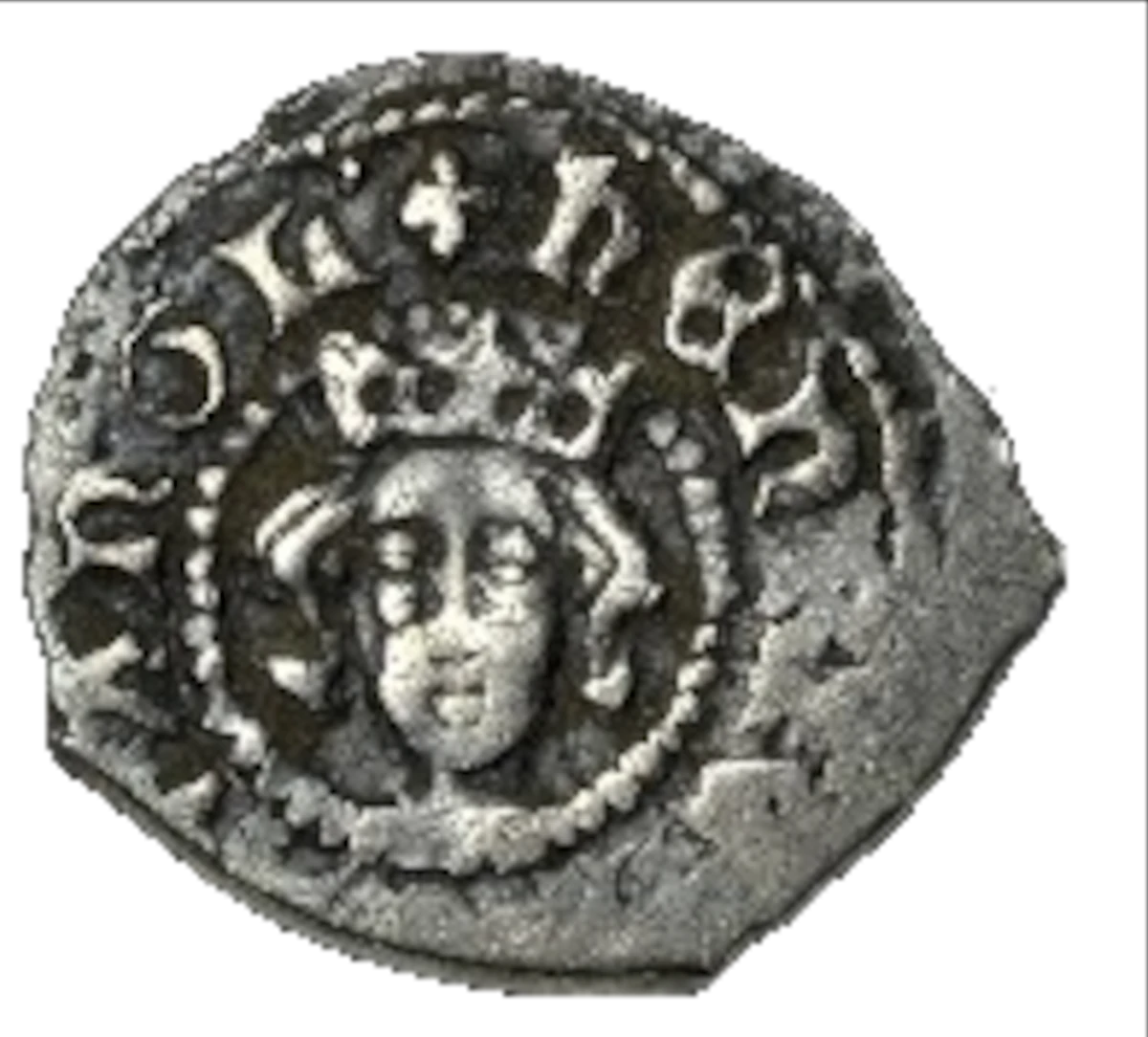
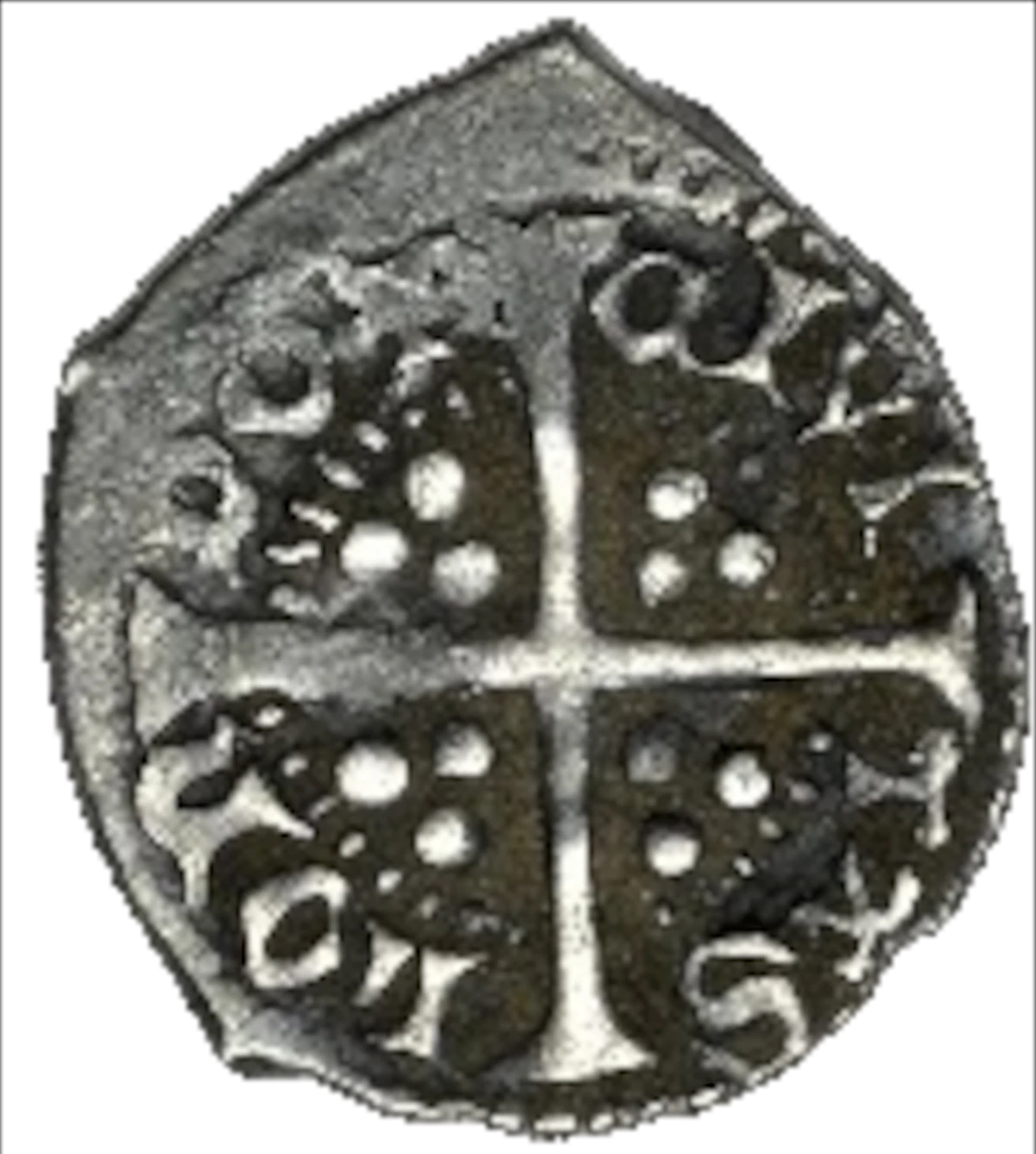
Henry IV (1399-1413)
During the reign of Henry IV, two principal issues of farthings were produced: Heavy Coinage (1399–1411) and Light Coinage (1412–1413). Persistent bullion shortages, caused by overly high coin weight standards, severely limited mint output and led to a critical lack of small denominations. Although measures were introduced from 1402 to increase the production of farthings, actual output remained minimal.
The classification presented below is derived from a comprehensive die study undertaken in 2026, encompassing all recorded specimens of Henry IV farthings. The results diverge in several significant respects from the framework established in "The Galata Guide to Small Change". 2
Historical Context
Two issues of farthings are attributed to his reign:
· Heavy coinage (1399-1411)
· and Light coinage (1412–1413)...
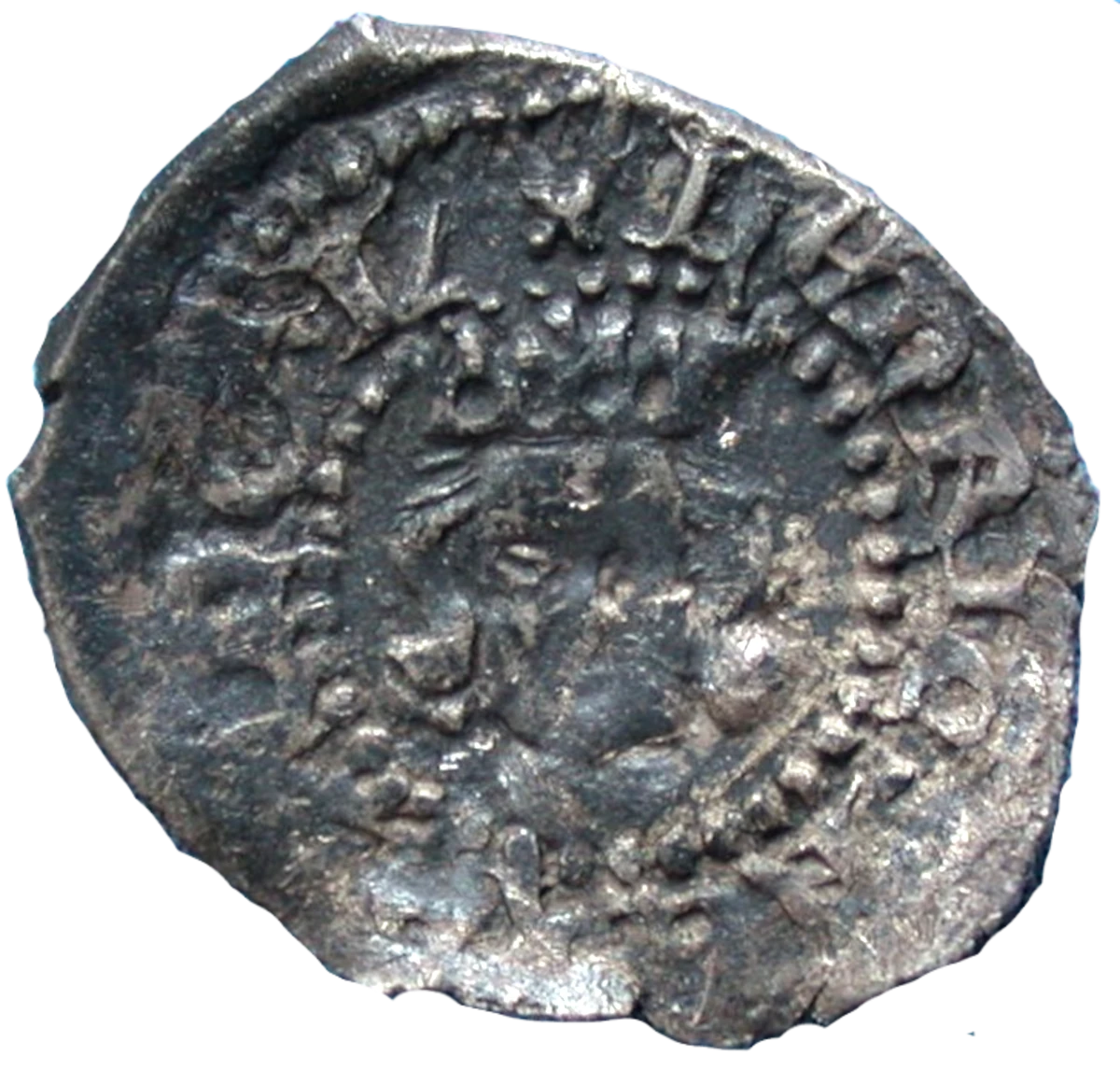
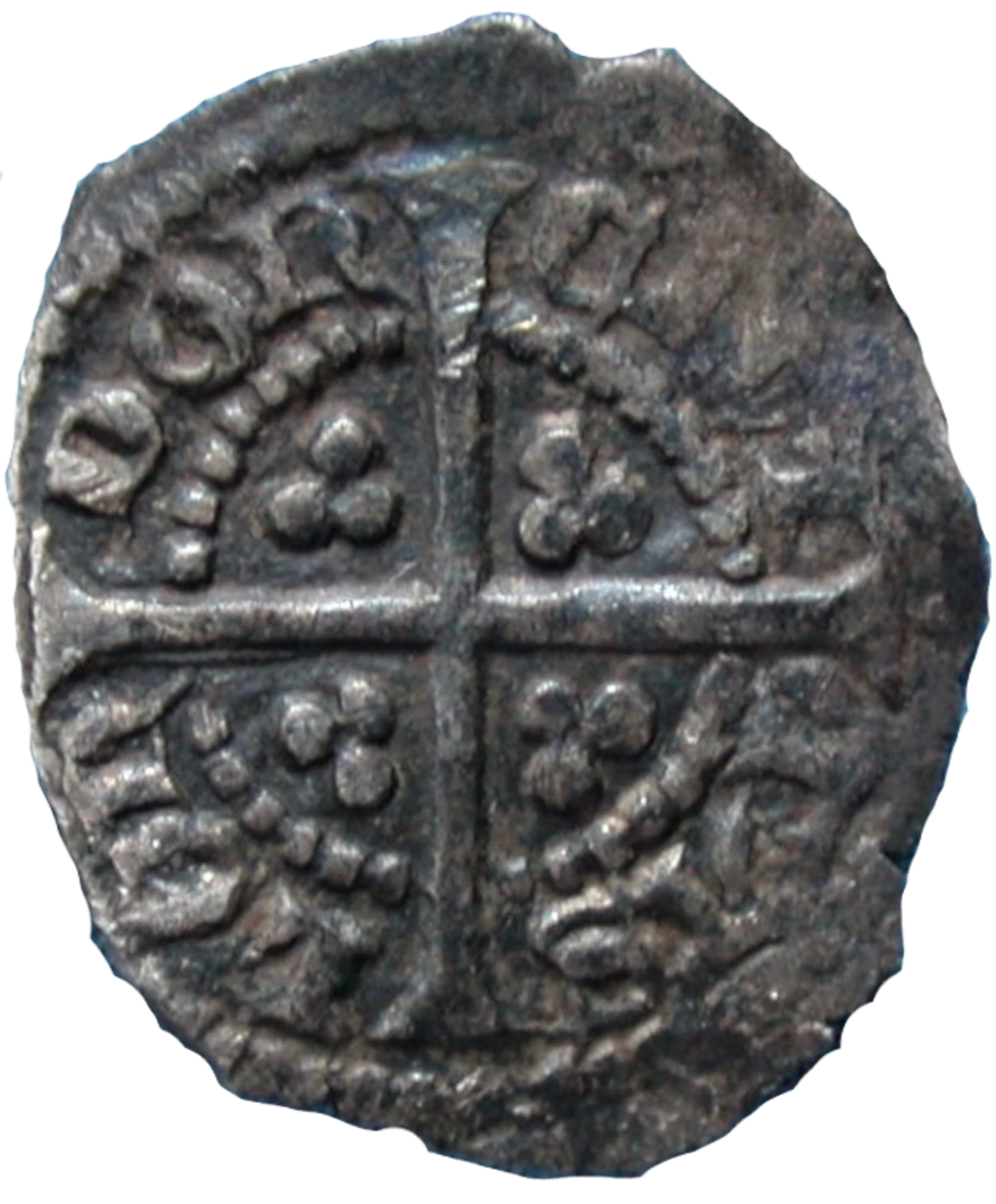
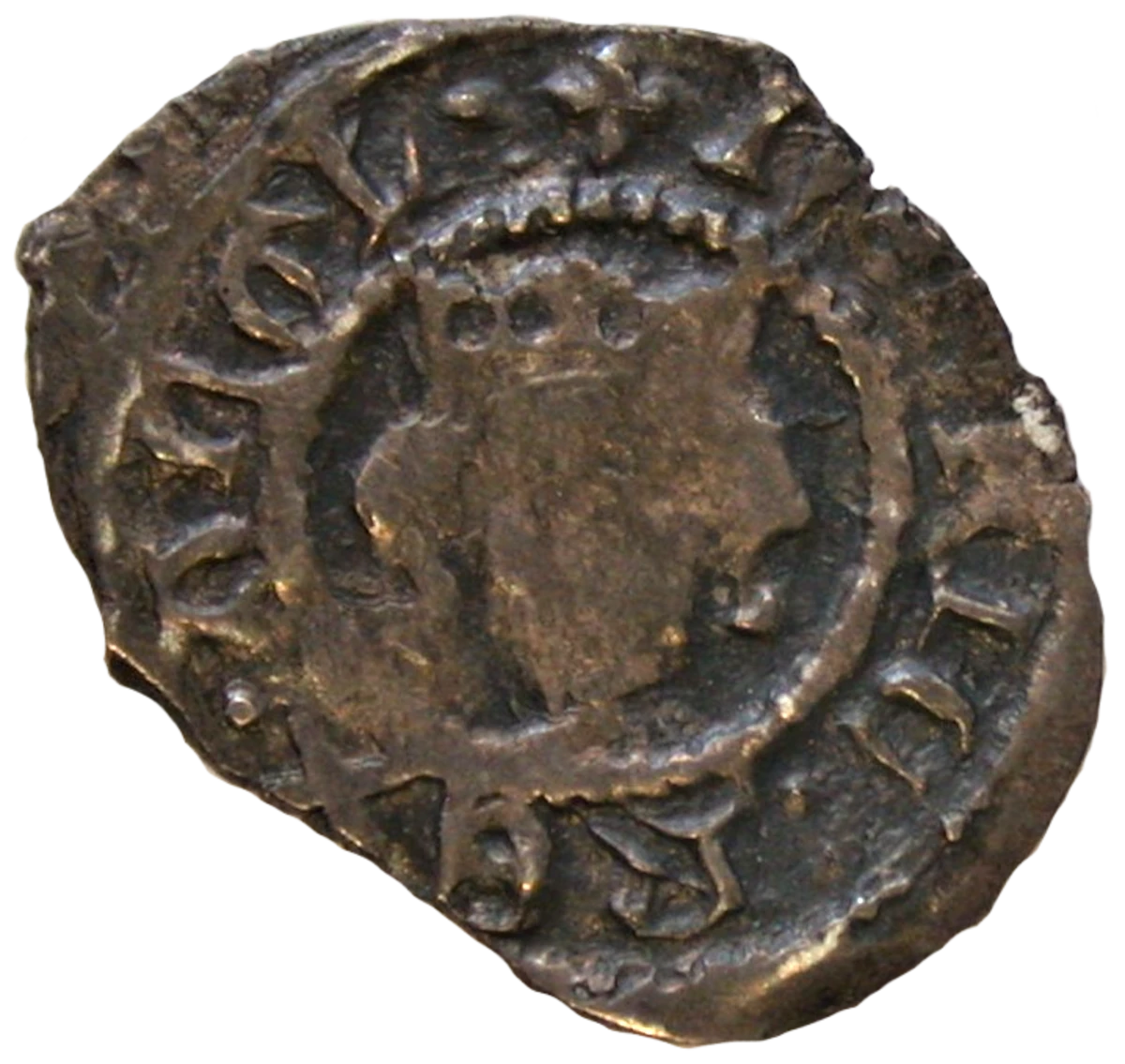
Coin Characteristics: Heavy Coinage - Transitional Issue
- Metal: Silver
- Denomination: Farthing (¼ penny)
- Mint(s): London
- Obverse: Face as Richard II, Crowned bust, i.m. Saltire
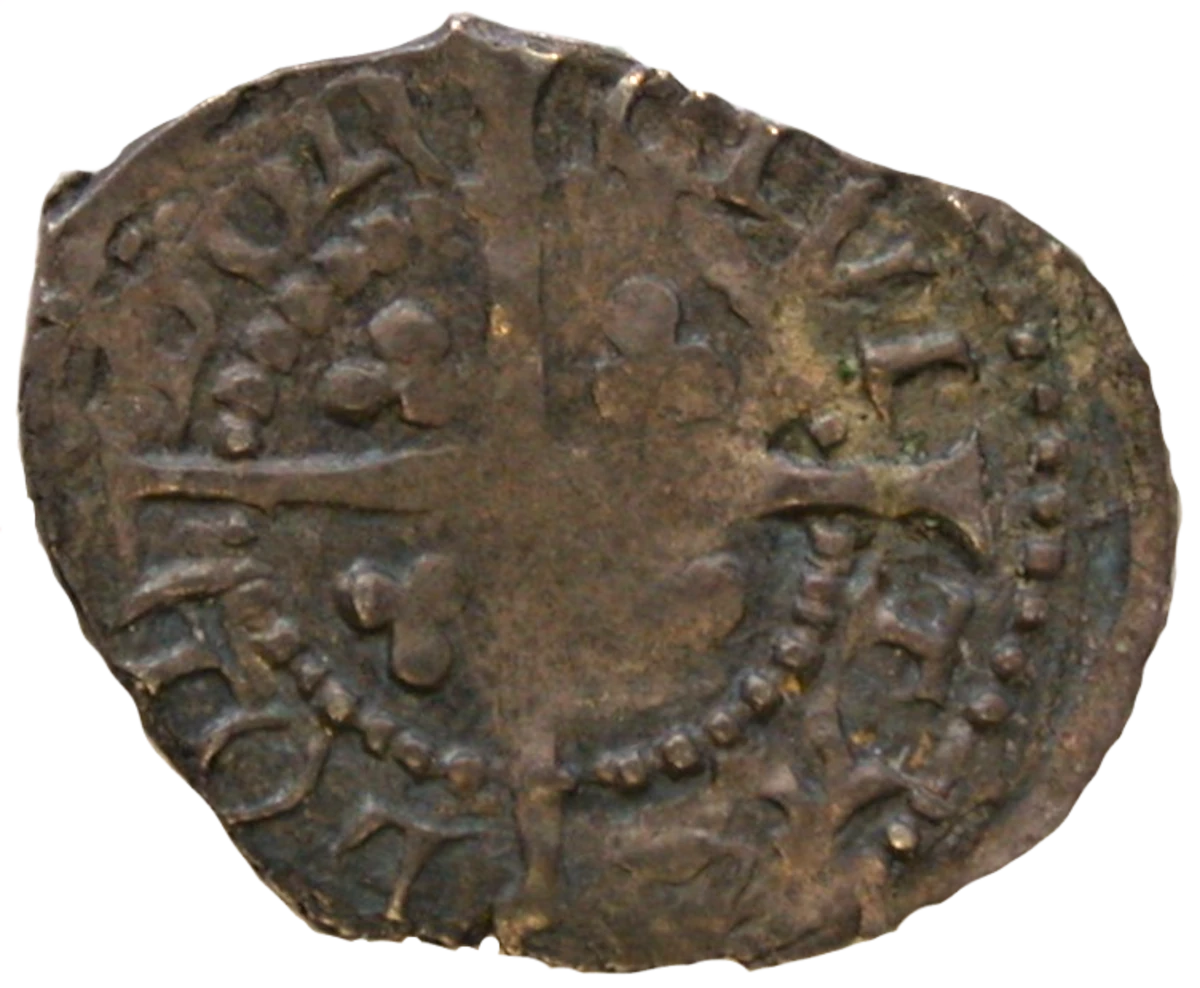
- Reverse: Long cross with 3 pellets in each quarter
- Coin diameter: 11mm
- Inner circle diameter: 6mm
- Weight: 0.25g
Coin Examples:
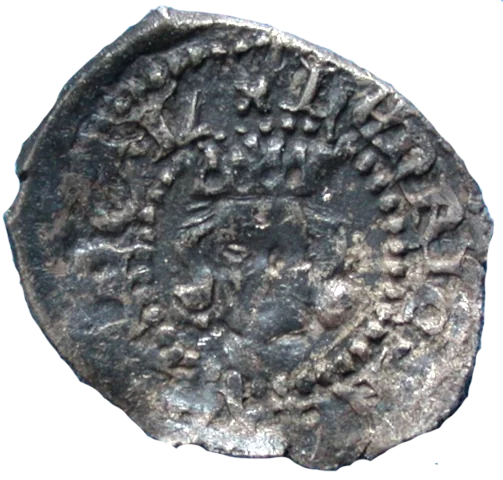
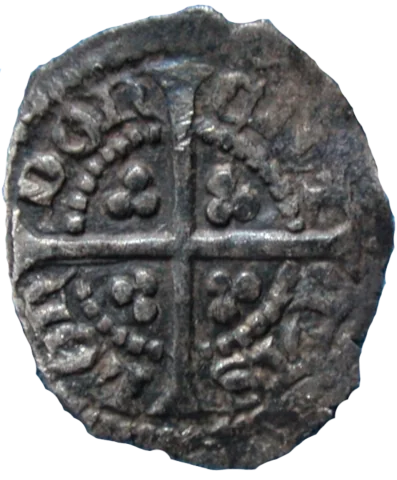
Year(s): 1399-1402
Mint: London
Type: Heavy Coinage - Transitional
Obverse: x hEnRIC:REX AnGL'
Legend translated: Henry King of England
Reverse: CIVITAS LOnDOn
"Long Cross" with three pellets in each quarter
Dies: T1/A
Reference(s): S.2487A, North 1948, Withers -
Scarcity: Two known
Guide Price: £1500 (Fine) £3250 (Very Fine)
Coin Characteristics: Heavy Coinage
- Metal: Silver
- Denomination: Farthing (¼ penny)
- Mint(s): London
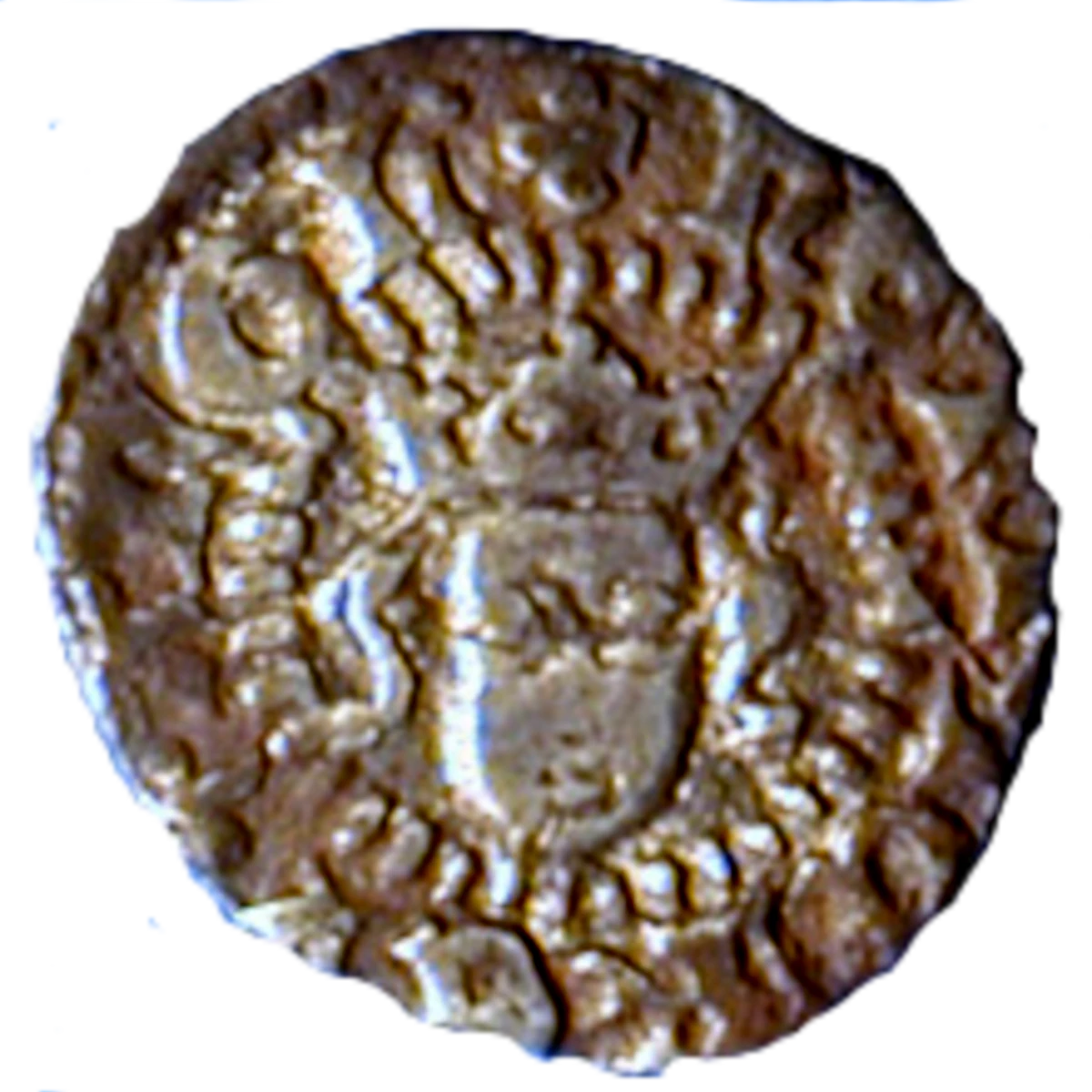
- Obverse: Face as Richard II, new crown, Crowned bust, i.m. Cross
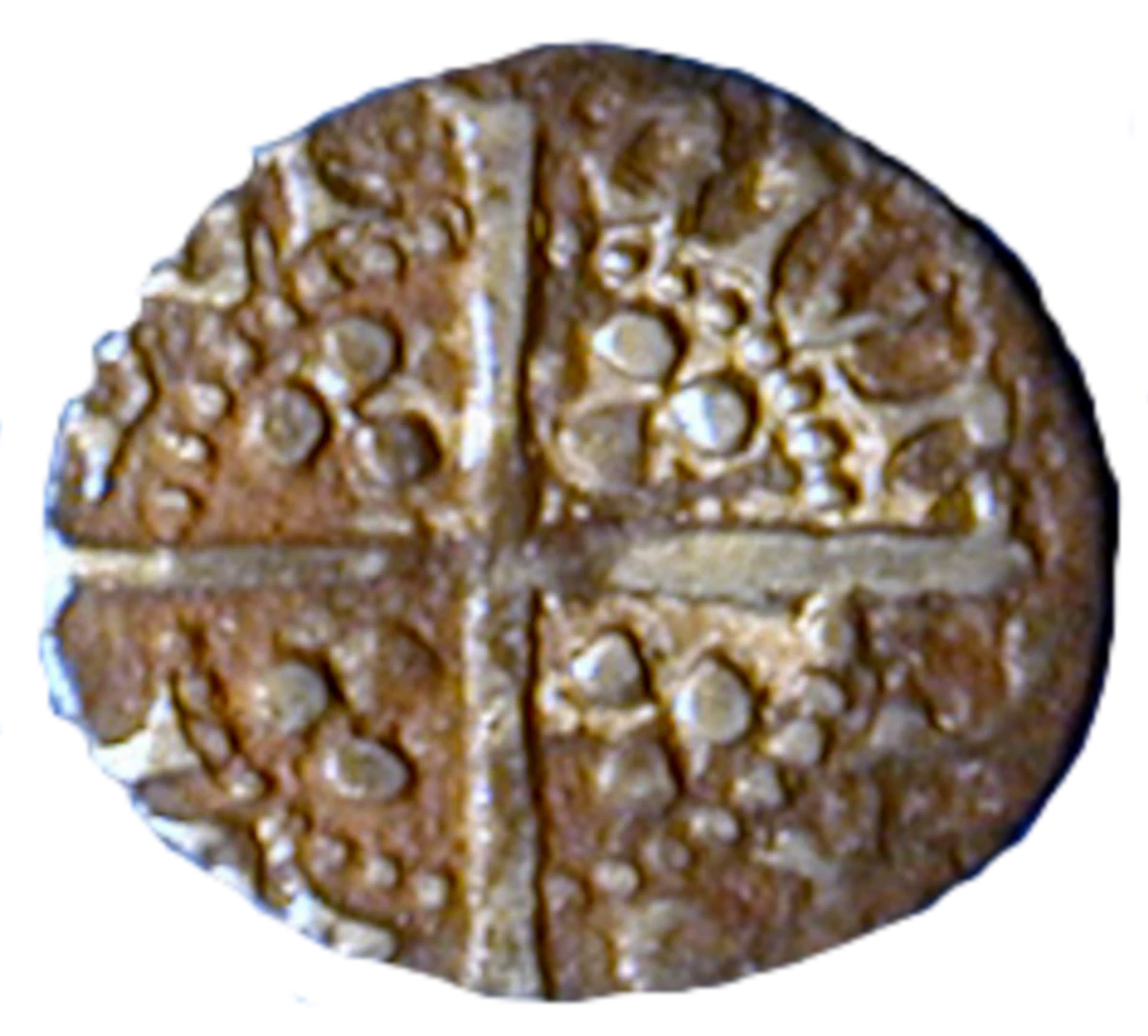
- Reverse: Long cross with 3 pellets in each quarter
- Coin Diameter: 11mm
- Inner Circle Diameter: 6mm
- Weight: 0.22g
Coin Examples: Heavy Coinage
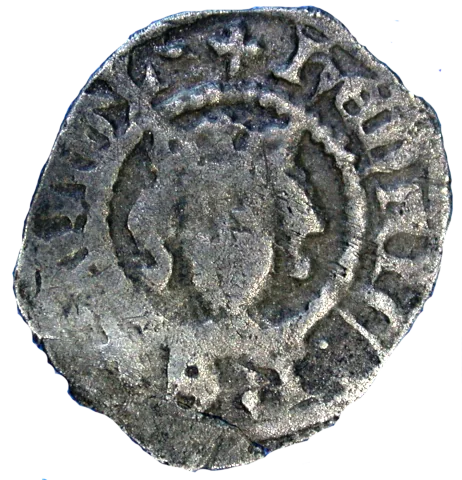
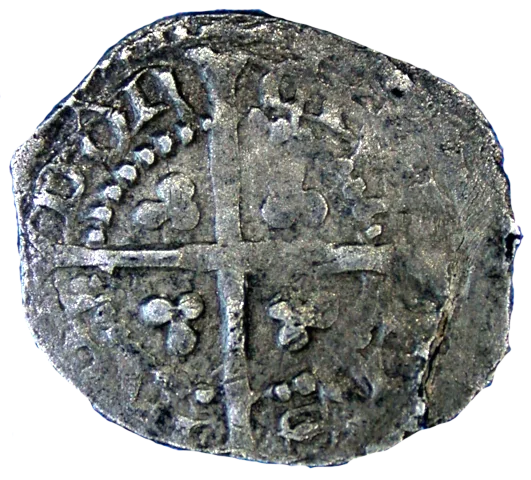
Year(s): 1399-1411
Mint: London
Type: Heavy Coinage
Obverse: +hEnRIC:REX·AnGL'
Legend translated: Henry King of England
Reverse: CIVITAS LOnDOn
"Long Cross" with three pellets in each quarter
Dies: H2/B
Reference(s): S.2487A, North 1948, Withers 1.1/a
Scarcity: Rare
Guide Price: £1500 (Fine) £3250 (Very Fine)
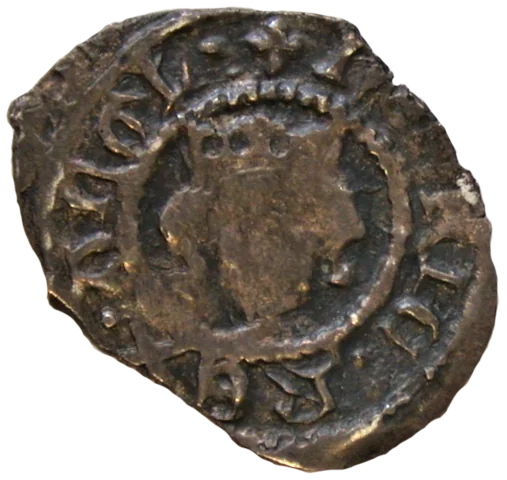
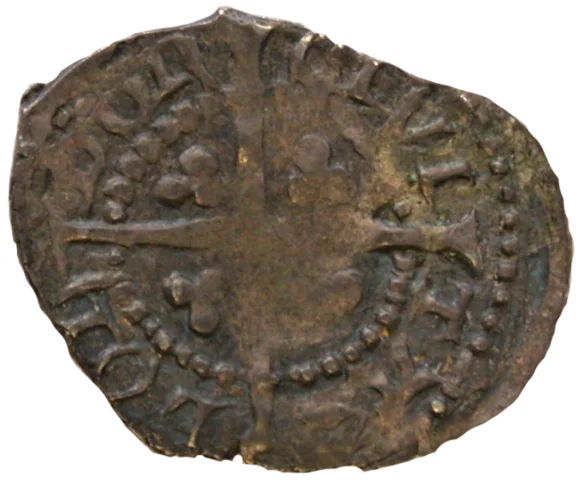
Year(s): 1399-1411
Mint: London
Type: Heavy Coinage
Obverse: +hEnRIC:REX·AnGL'
Legend translated: Henry King of England
Reverse: CIVITAS LOnDOn
"Long Cross" with three pellets in each quarter
Dies: H3/B
Reference(s): S.2487A, North 1948, Withers 1.1/a
Scarcity: Rare
Guide Price: £1500 (Fine) £3250 (Very Fine)
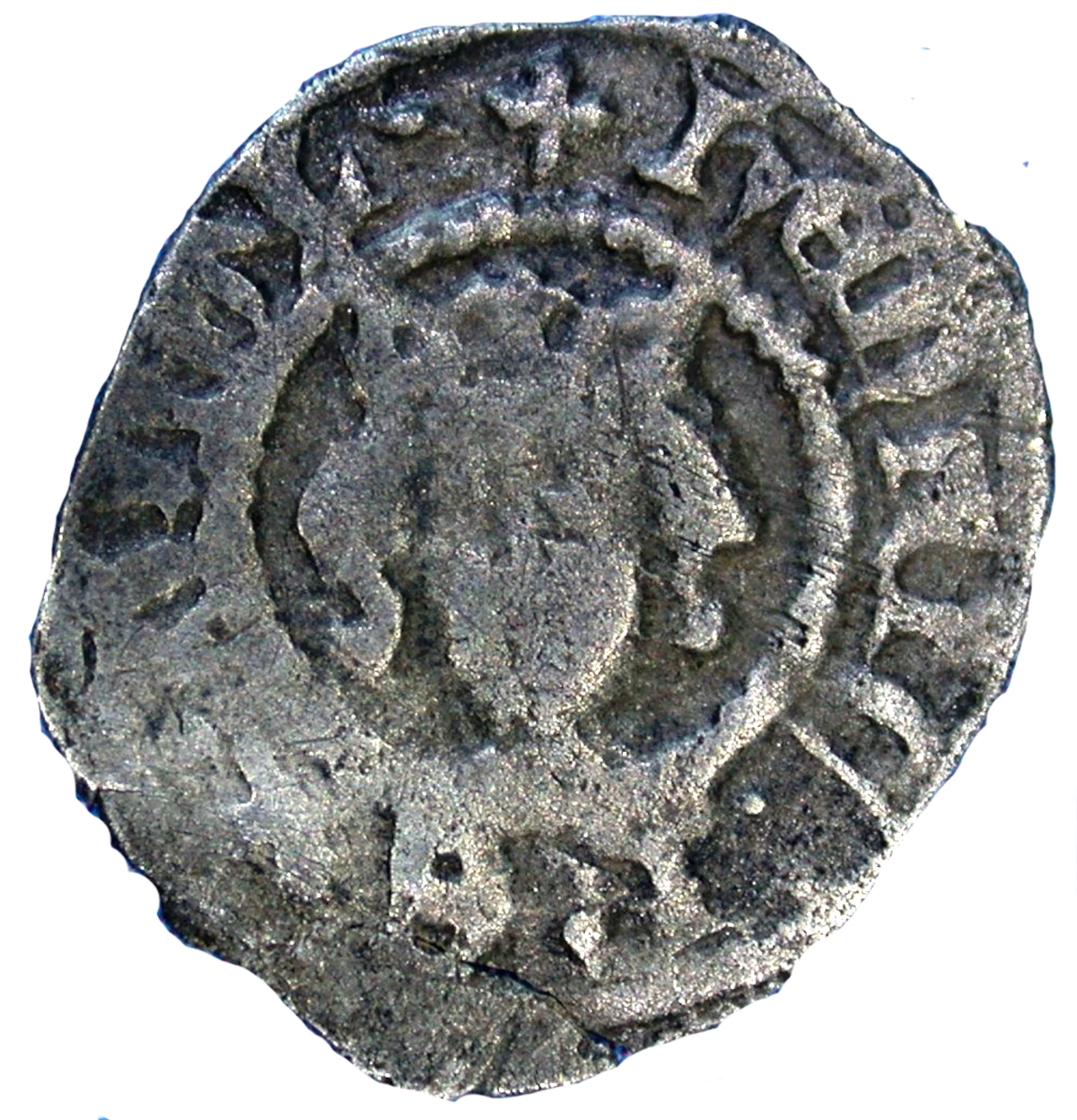
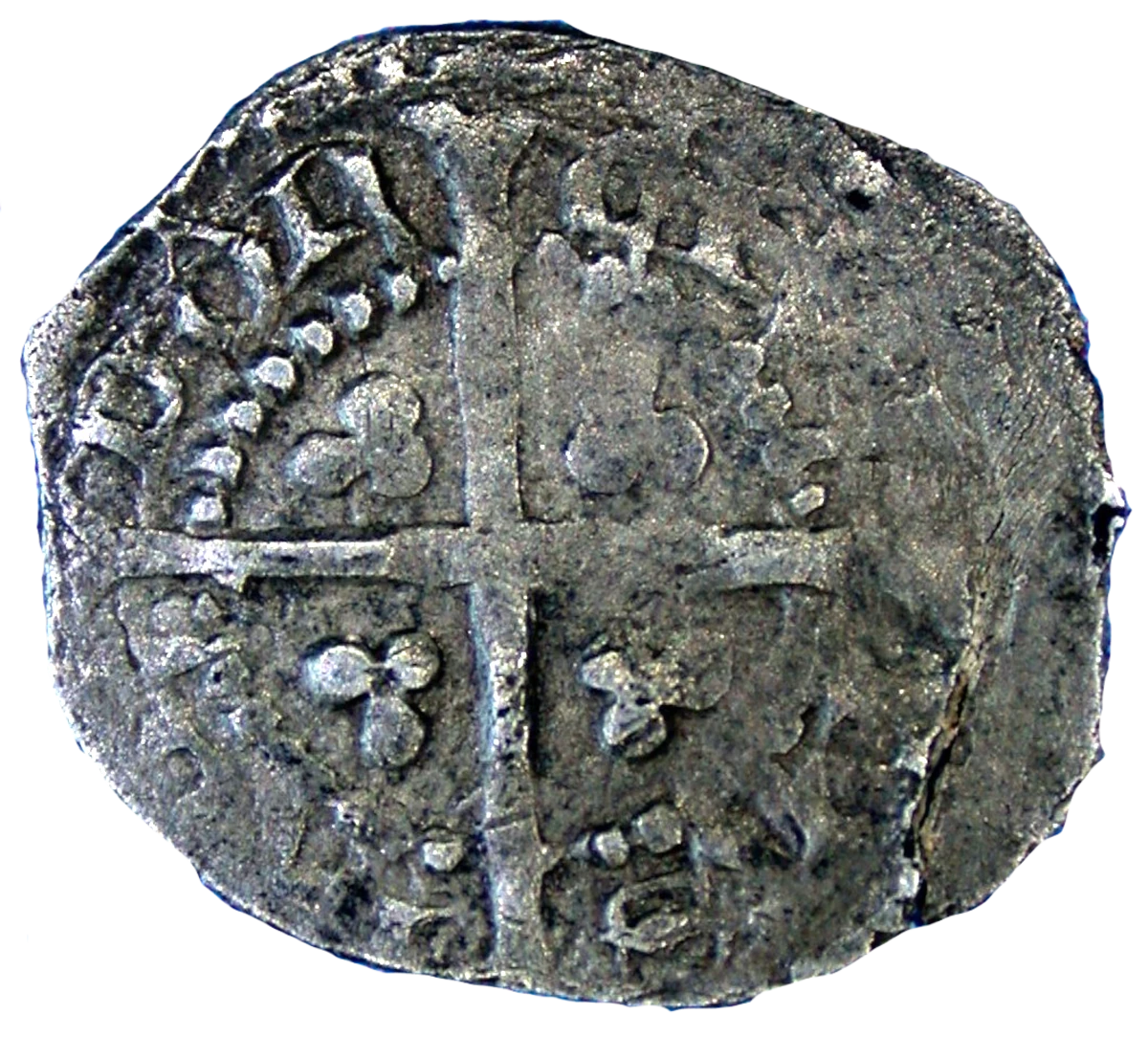
Coin Characteristics: Light Coinage
- Metal: Silver
- Denomination: Farthing (¼ penny)
- Mint(s): London
- Obverse: New face and crown with straight flat bottom, Crowned bust, i.m. Cross
- Reverse: Long cross with 3 pellets in each quarter
- Coin Diameter: 11mm
- Inner Circle Diameter: 6mm
- Weight: 0.20g-0.36g
Coin Examples: Light Coinage
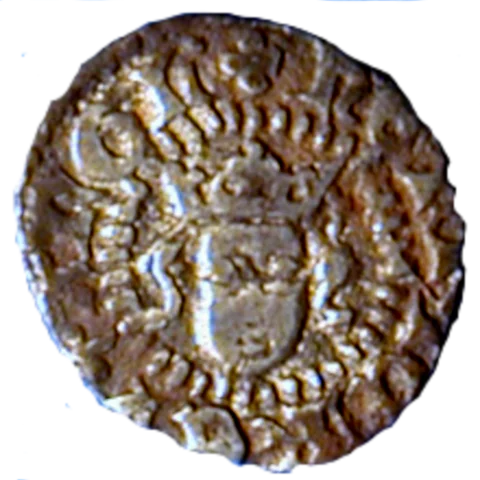
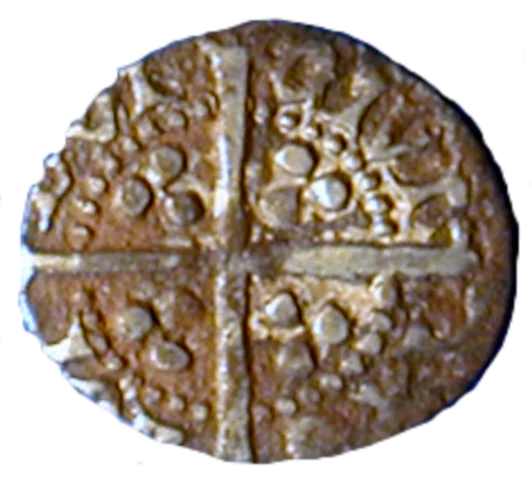
Year(s): 1412-1413
Mint: London
Type: Light Coinage
Obverse: +hEnRIC:REX♣AnGL'
Legend translated: Henry King of England
Reverse: CIVITAS LOIDOI
"Long Cross" with three pellets in each quarter
Dies: L1/C
Reference(s): S.1738, North 1368, Withers 2.1/a
Scarcity: Rare
Guide Price: £900 (Fine) £3000 (Very Fine)
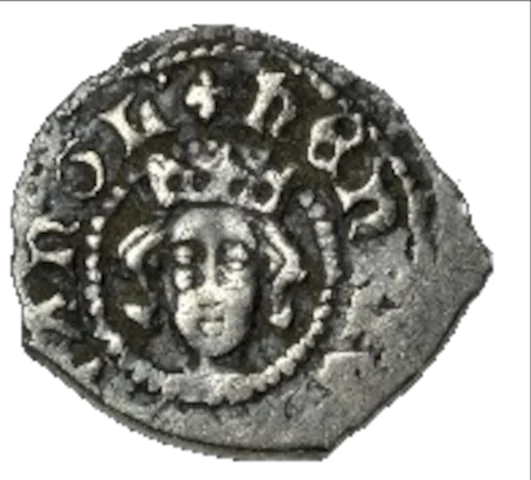
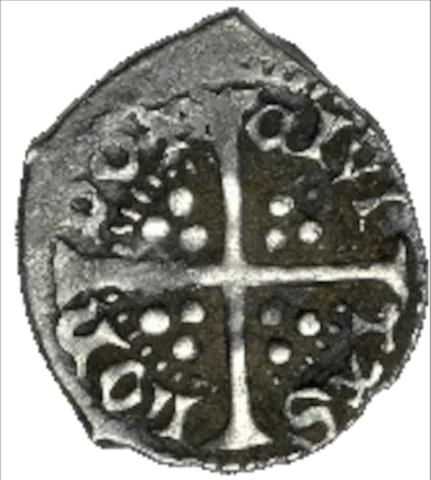
Year(s): 1412-1413
Mint: London
Type: Light Coinage
Obverse: +hEnRIC:REX♣AnGL'
Legend translated: Henry King of England
Reverse: CIVITAS LOnDOn
"Long Cross" with three pellets in each quarter
Dies: L2/D
Reference(s): S.1738, North 1368, Withers 2.1/a
Scarcity: Rare
Guide Price: £900 (Fine) £3000 (Very Fine)
Corpus of Coins
Abbreviations
- Ash. — Ashmolean Museum
- BM — British Museum
- Fitz. — Fitzwilliam Museum
- PC — Private Collections
- wnr — weight not recorded
- T — Early Heavy Coinage (Transitional)
- H — Heavy Coinage
- L — Light Coinage
T1.1a
x hEnRIC:REX AnGL' / CIVITAS LOnDOn
2 PC; Facebook, found nr. Attleborough, Norfolk.; wnr
H1.2b
+hEnRIC:REX·AnGL' / CIVITAS LOnDOn
H1.3b
+hEnRIC:REX·AnGL' / CIVITAS LOnDOn
5* Fitz.; ex. Clark, Sotheby 23 May 1898, lot 89 > J.S. Henderson Bequest, 1933; 0.22g
L2.1c
+hEnRIC:REX·AnGL' / CIVITAS LOIDOI
7* Ash.; ex. Baldwin > D.J. Rogers; 0.20g
L2.2d
+hEnRIC:REX·AnGL' / CIVITAS LOnDOn
Footnotes
- Bispham, J. "The Base Silver Shillings of Edward VI." The British Numismatic Journal 55 (1985): 139. link(opens in a new tab) ↩
- Withers, P. and Withers B. The Galata Guide to Small Change: Hammered Silver Farthings, Halfpennies & Three-Farthings 1279-1660. Llanfyllin, Powys: Galata Print Ltd., 2023.↩
- Attribution of this coin, including a complete obverse legend, is based on an entry and an illustration in Folkes, Martin. Tables of English Silver and Gold Coins. 2nd ed. London: Society of Antiquaries, 1745, 45, pl. ix, no. 18. The only known example, in the British Museum, only has a partial obverse legend visible. ↩
- The 'Very Base Issue' halfpence had so little silver in them that they were instead used as farthings. It was recorded in the King Edward's Journal on August 18, 1551, that the value of the base coin was further diminished: "The shilling fell from nine pence to six pence, the groat from three pence to two pence, the twopence to a penny, the penny to a halfpenny, the halfpenny to a farthing". ↩
- Illustrated in Neck, J.F. "The Silver Coinage of Henry IV., V., and VI." The Numismatic Chronicle 11 (1871): 93–15, Pl. III, no. 8. link(opens in a new tab) ↩
Research & Resources
Contact
For corrections, additional examples, or research enquiries, please email:
admin@hammeredfarthings.co.uk