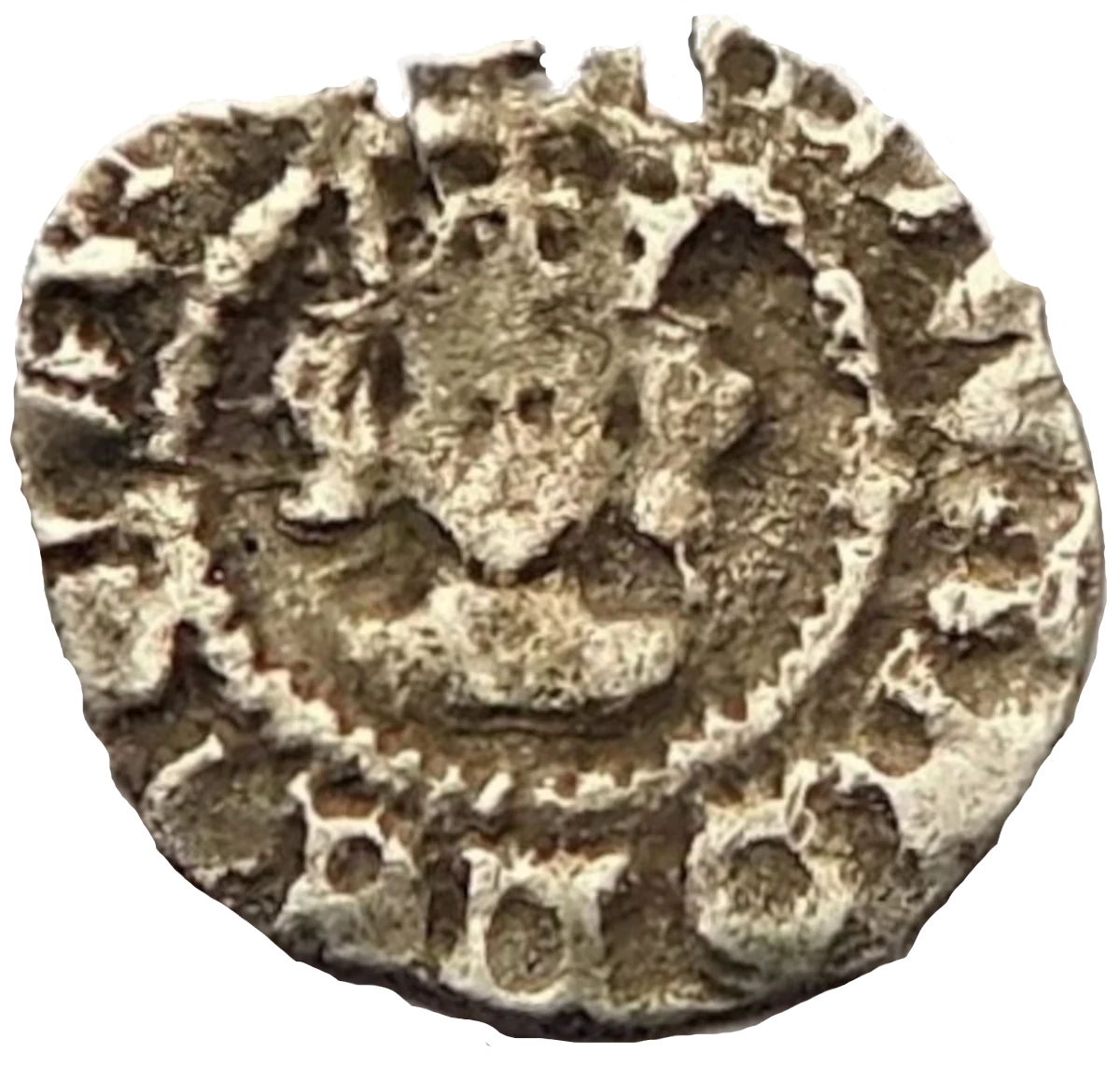
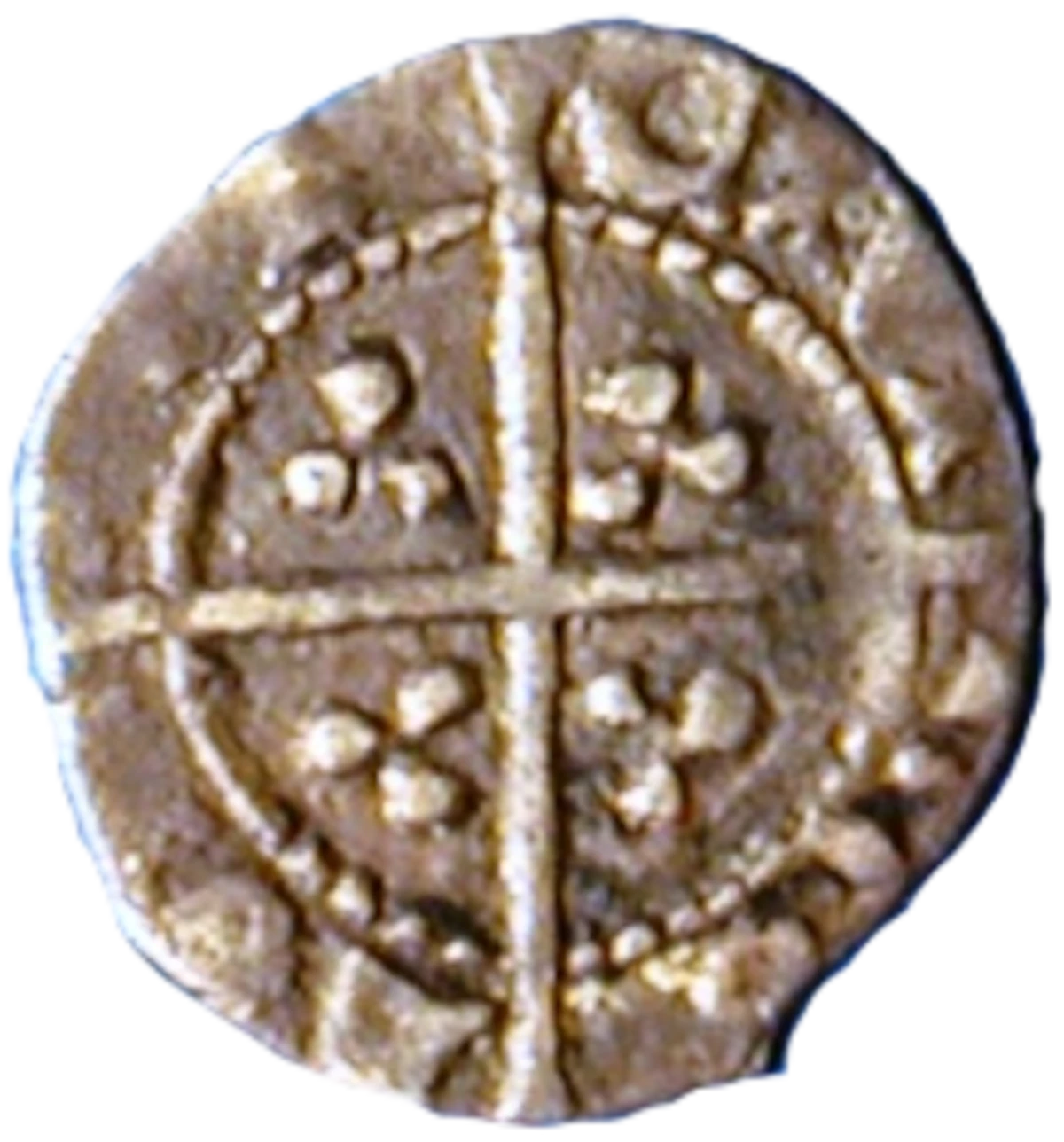
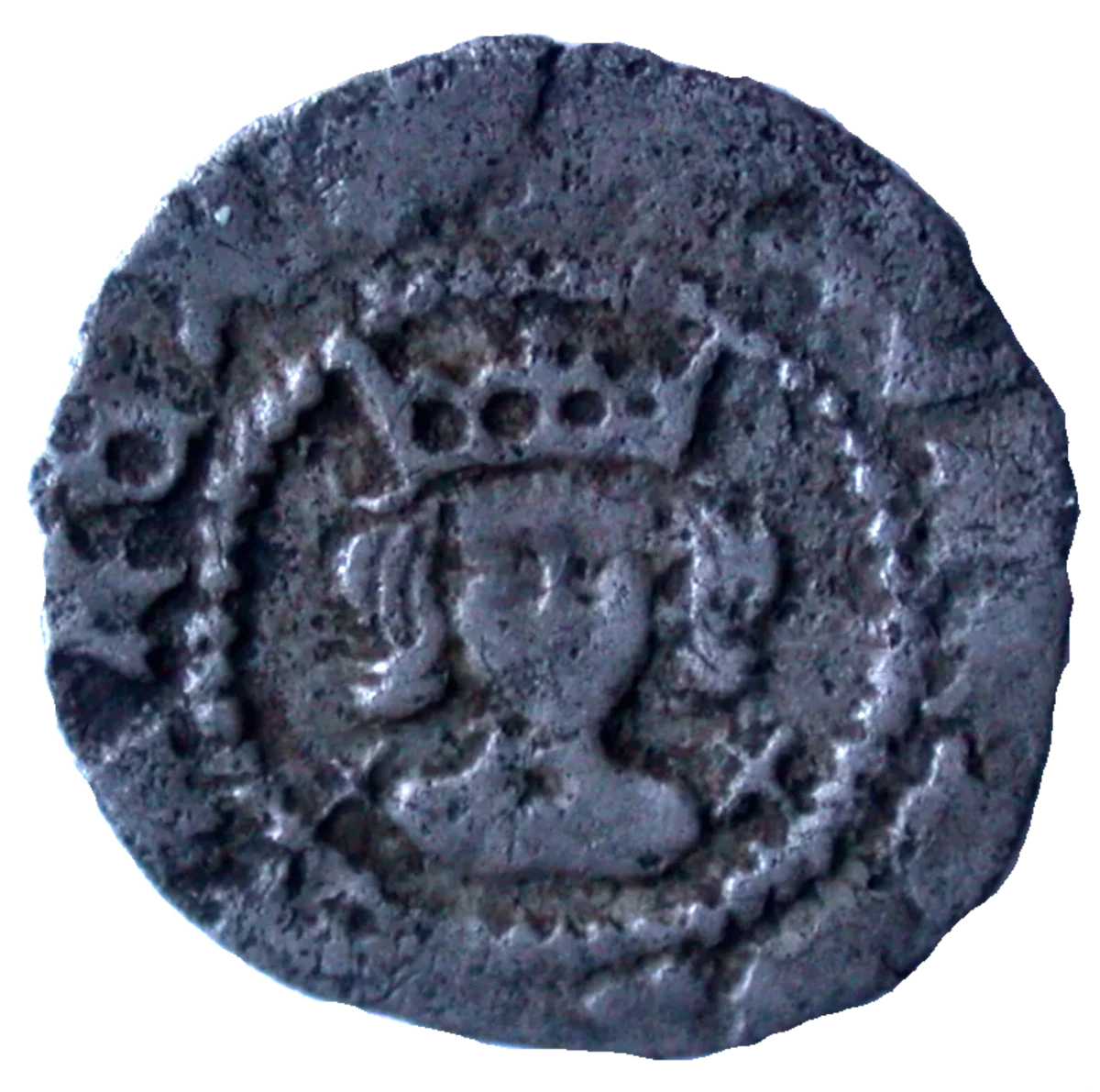
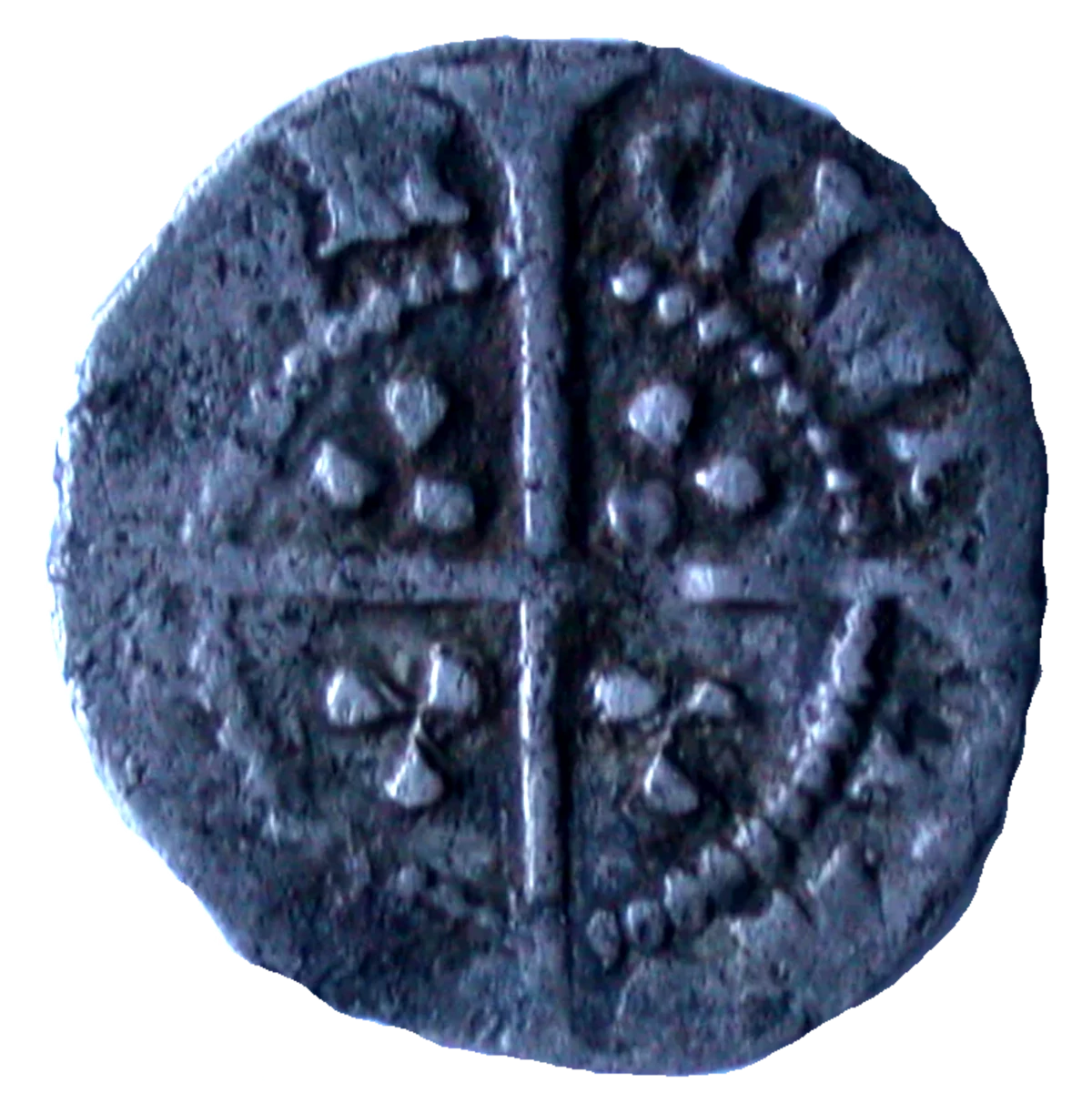
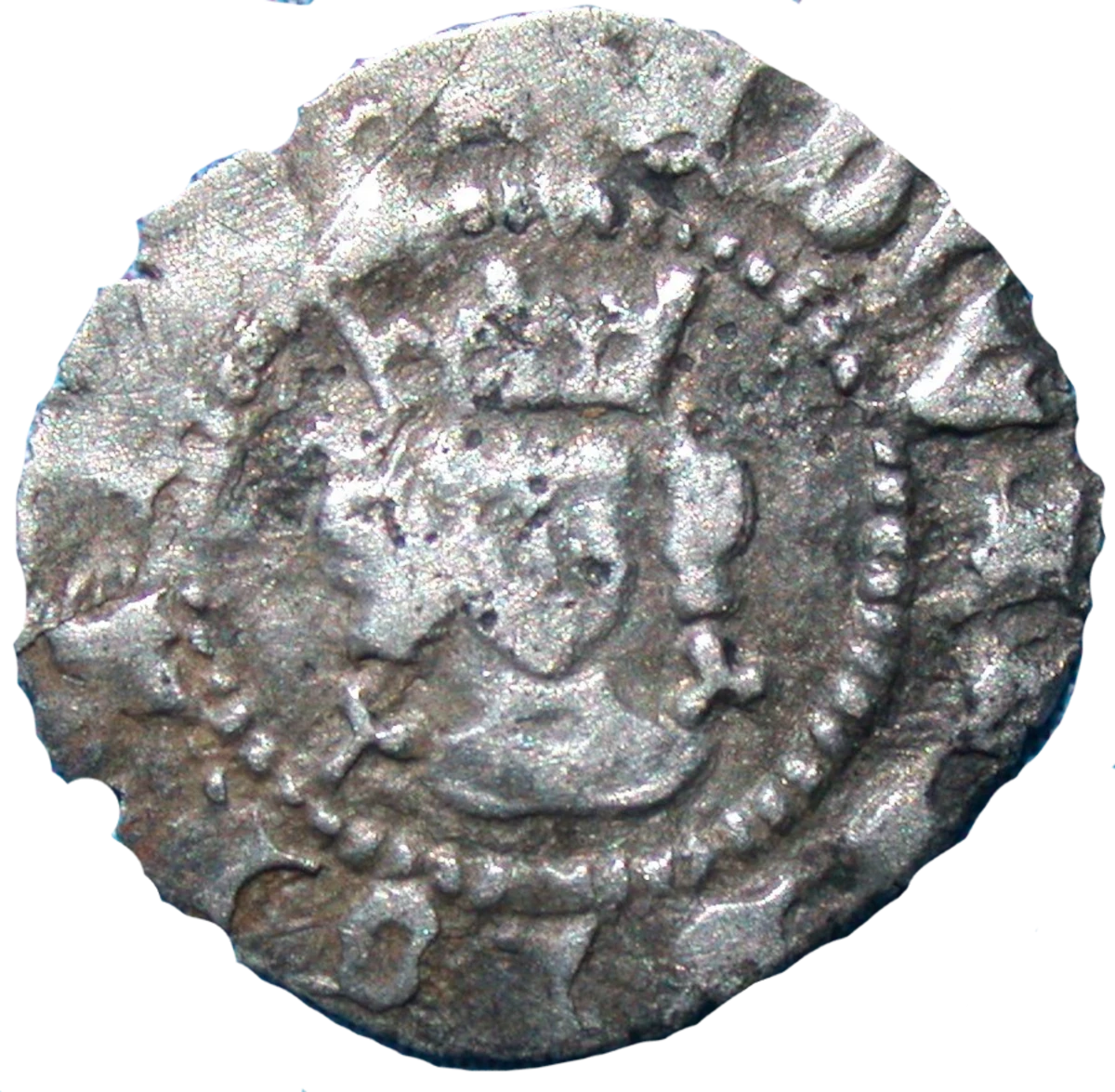
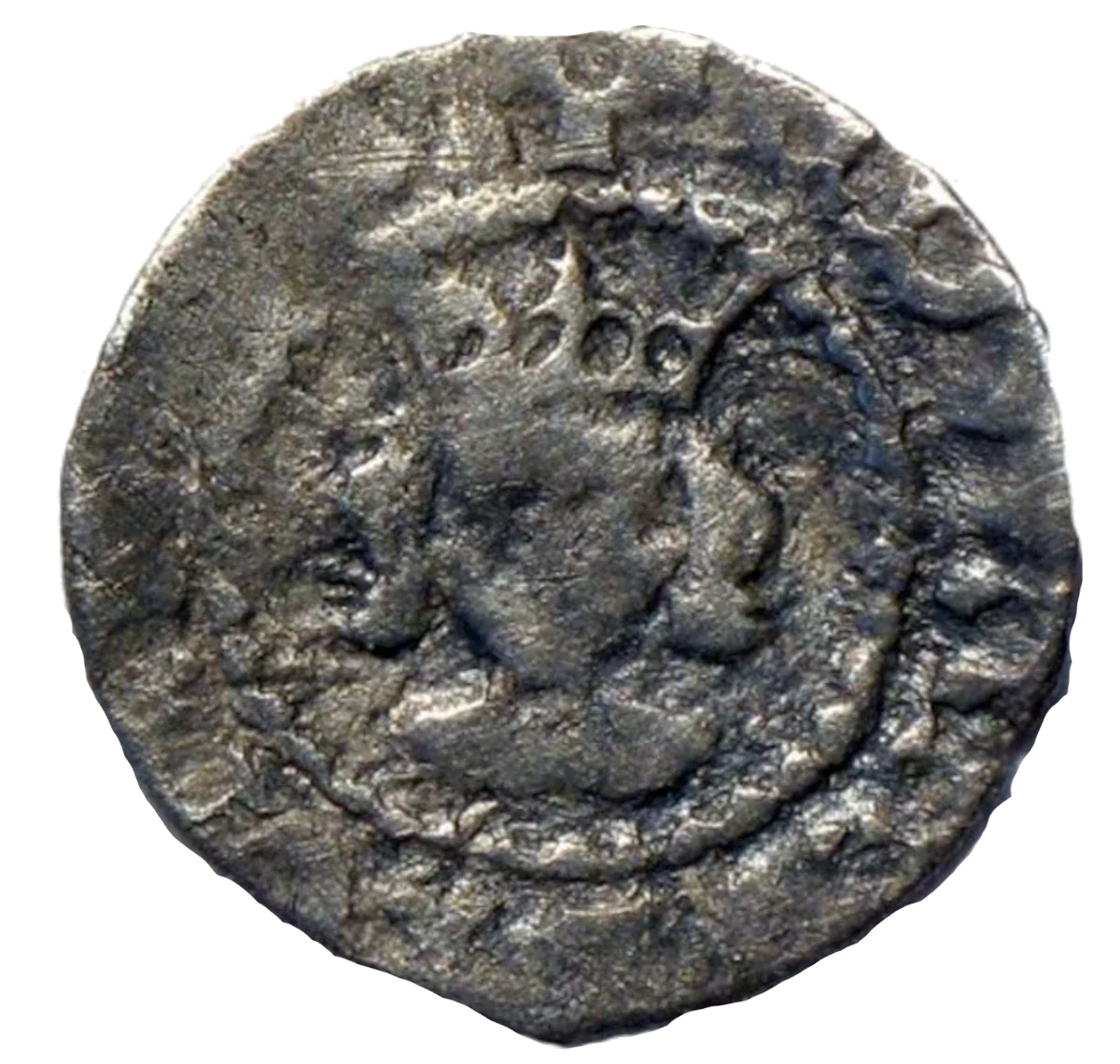
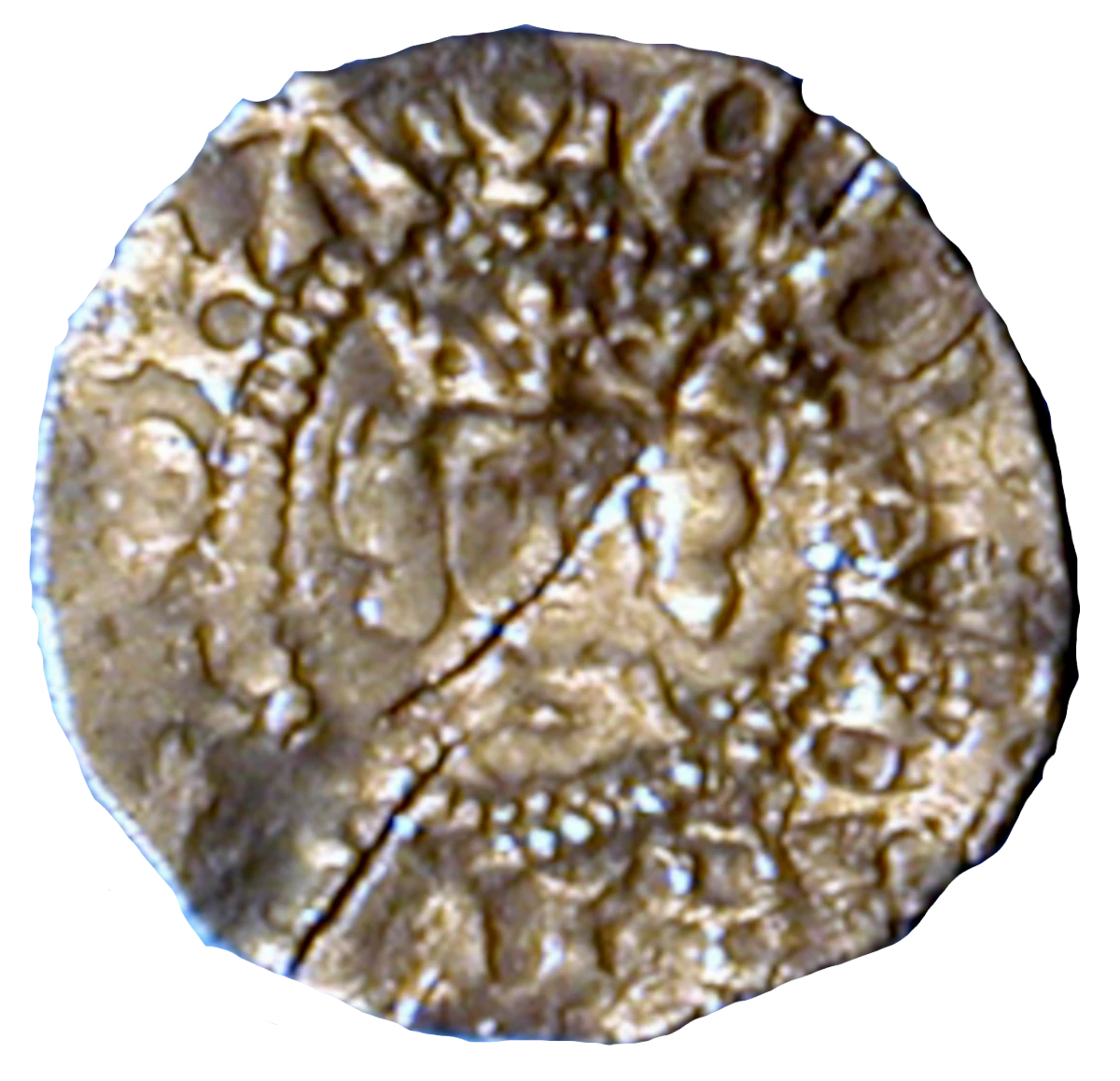
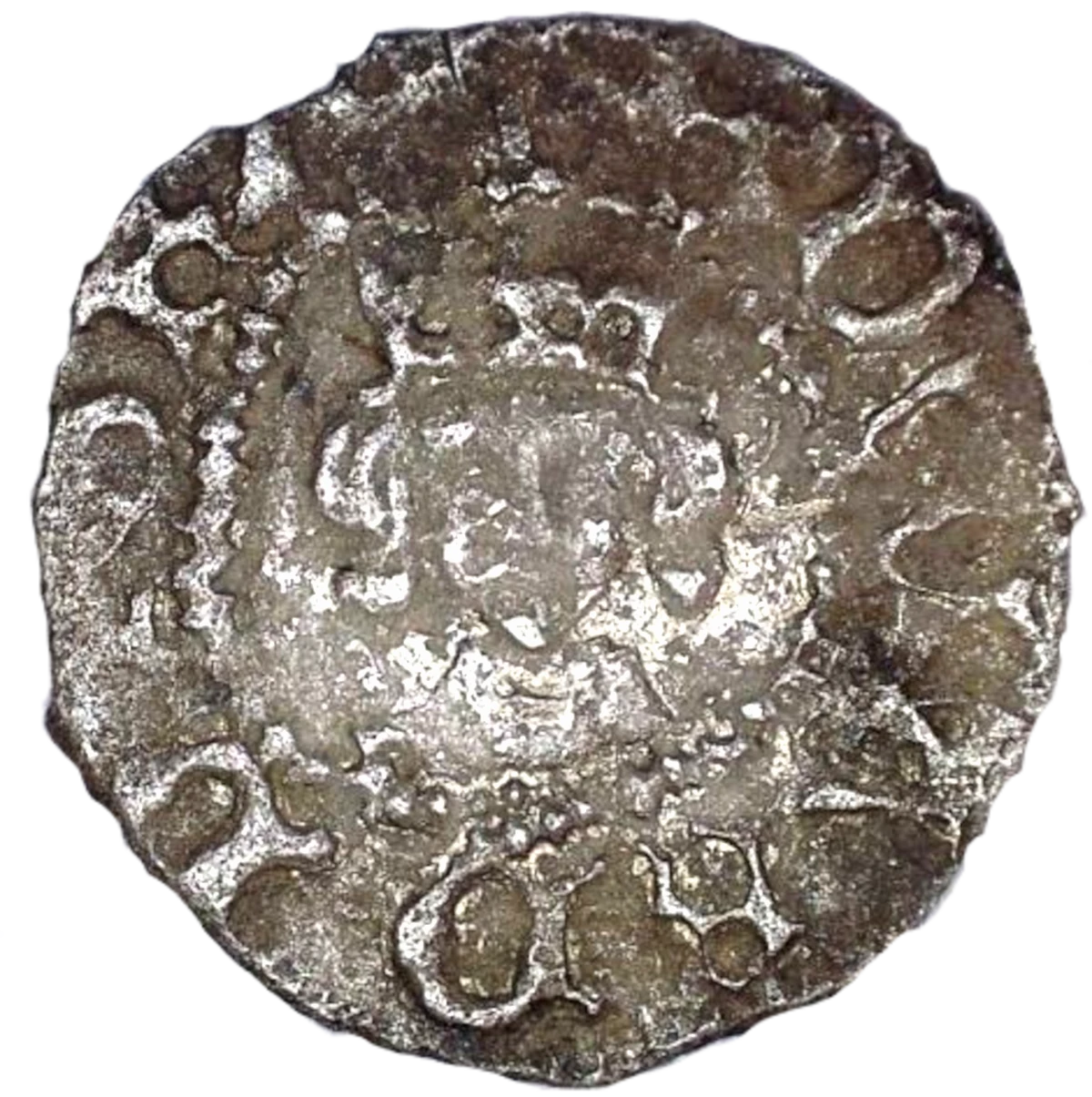
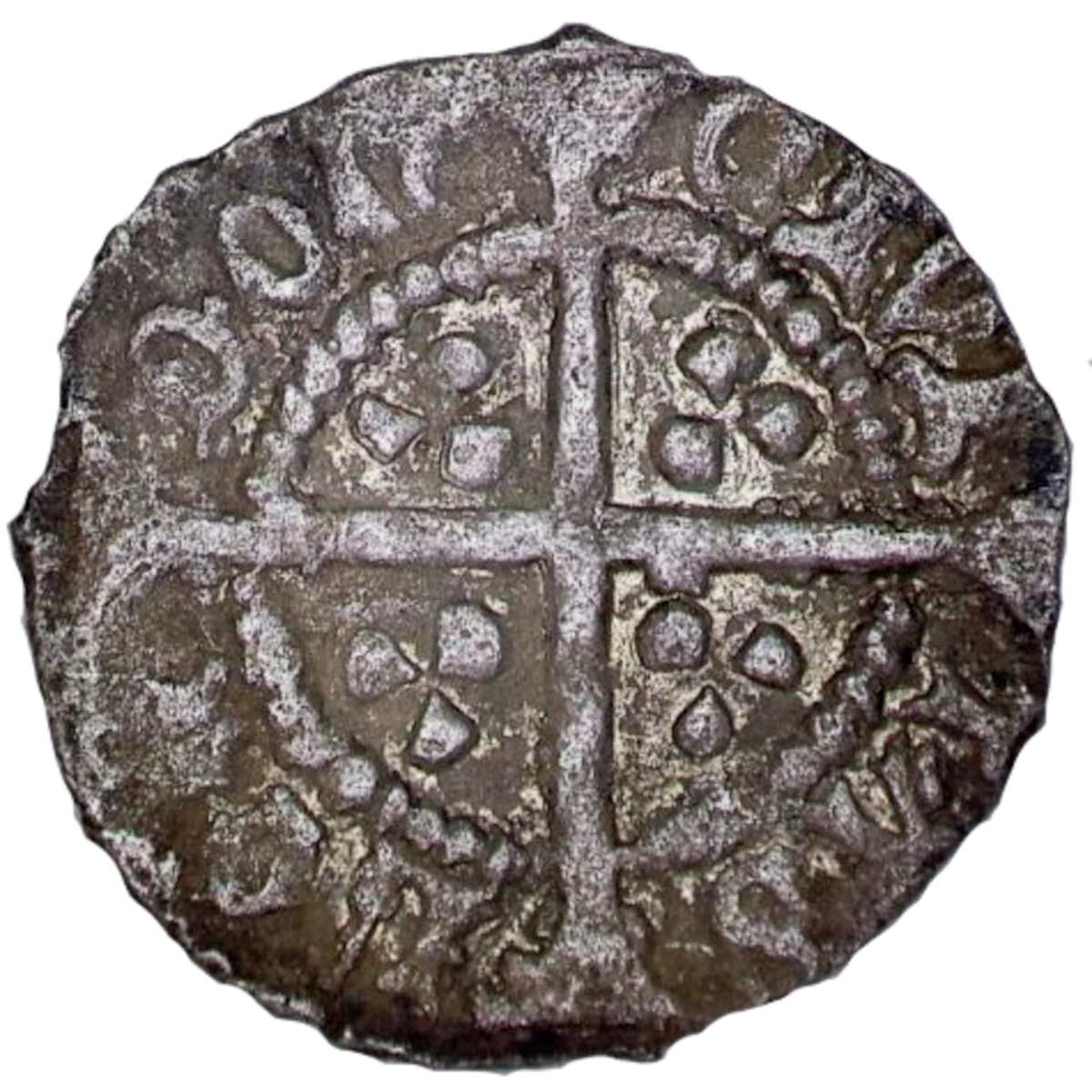
Edward IV (1442-1483)
On 4 March 1461, Edward Duke of York ascended the throne of England, and ruled until 1483, with the exception of a brief period between October 1470 and April 1471 when Henry VI was restored to the throne. "The latter part of his reign was disturbed by domestic troubles; and his indulgence in luxury and vicious pleasures brought on a premature death". 1
Edward IV’s coinage reflects a significant monetary adjustment, notably a moderate reduction in weight of all new coins in 1464 from a heavy to a light standard. This was not a profit-making reduction, but merely reflected the rising price of precious metal, and brought the new coin into line with the weight of old worn coin previously current. These adjustments were essential to ease the deflationary effects of the ever-rising value of silver.
The classification presented below is derived from a comprehensive die study undertaken in 2026, encompassing all recorded specimens of Edward IV farthings. The results diverge in several significant respects from the framework established in "The Galata Guide to Small Change". 2
Historical Context
Three issues of farthings are attributed to his reign:
· Heavy coinage (1461-64) and the
· Light coinage (1464-70) of his first reign
· and the coinage of his second reign (1471–1483)...
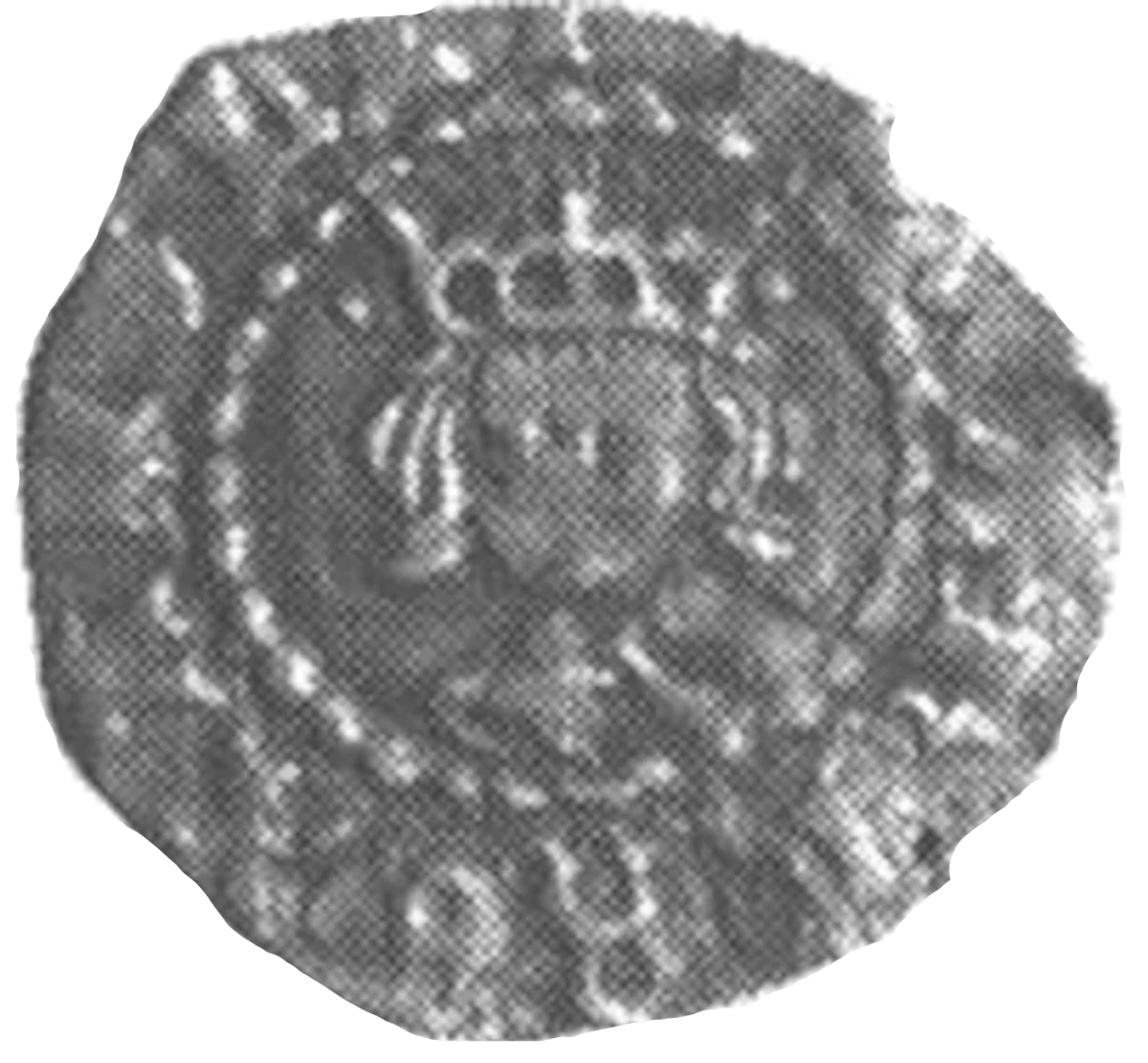
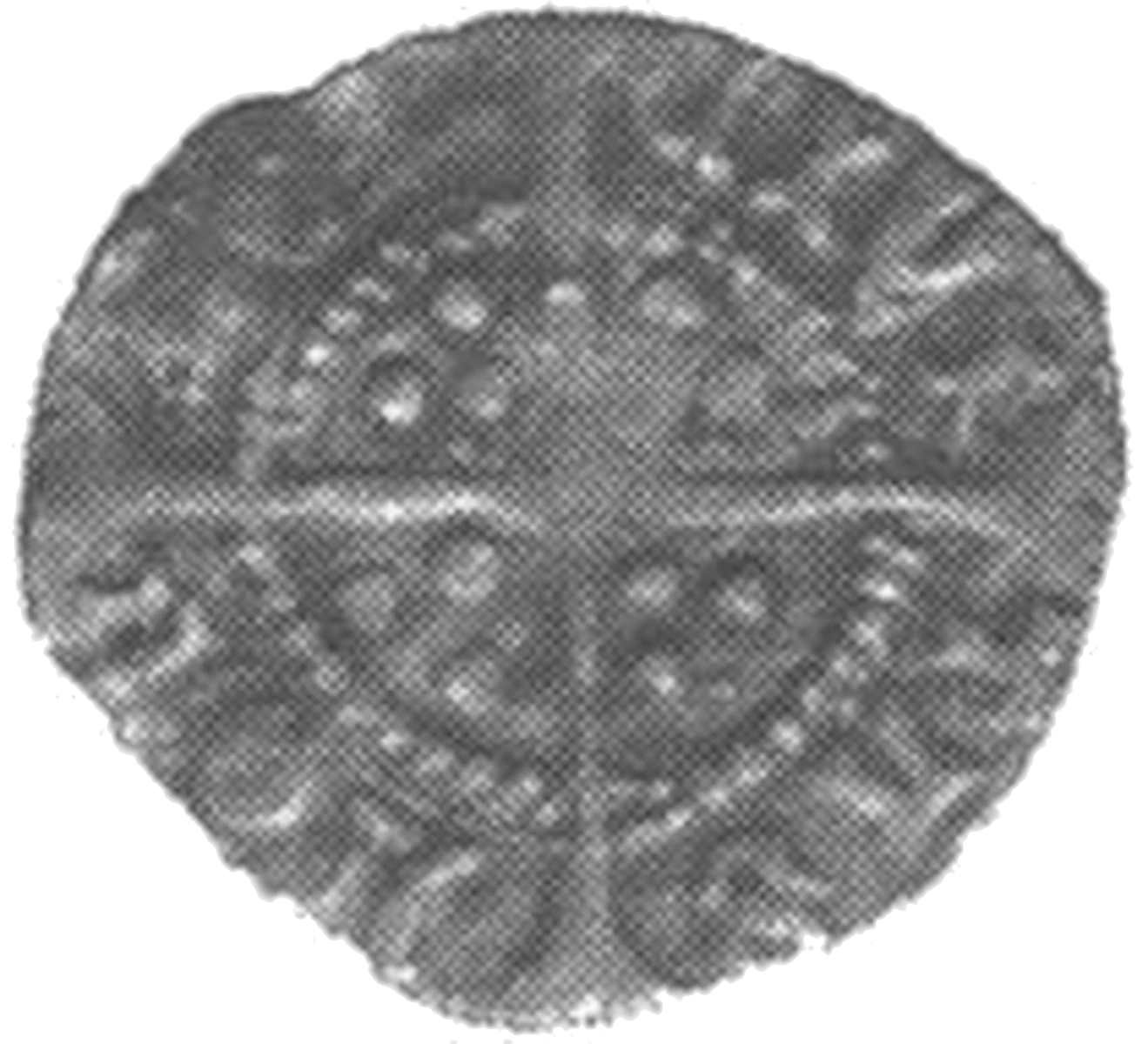
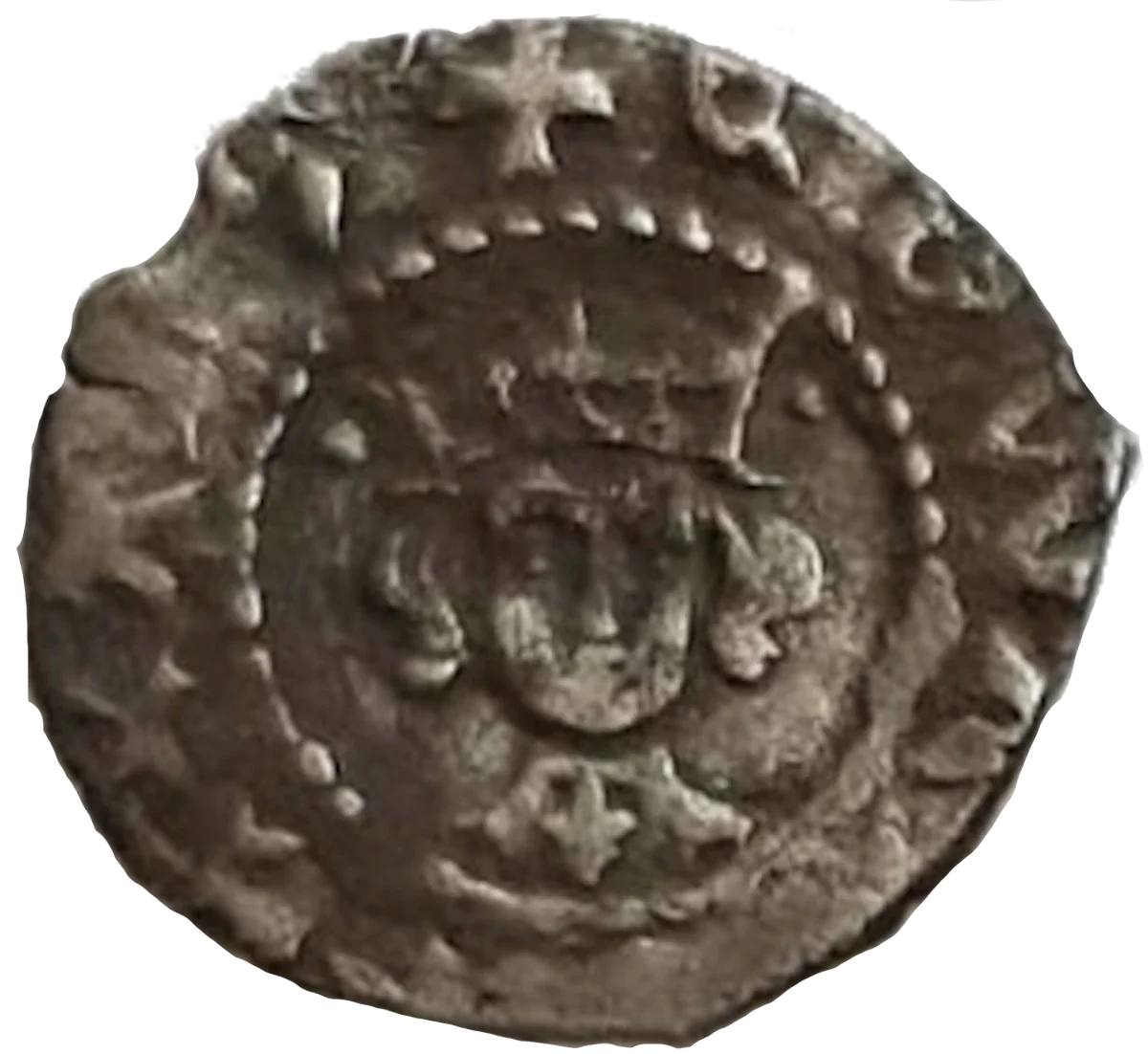
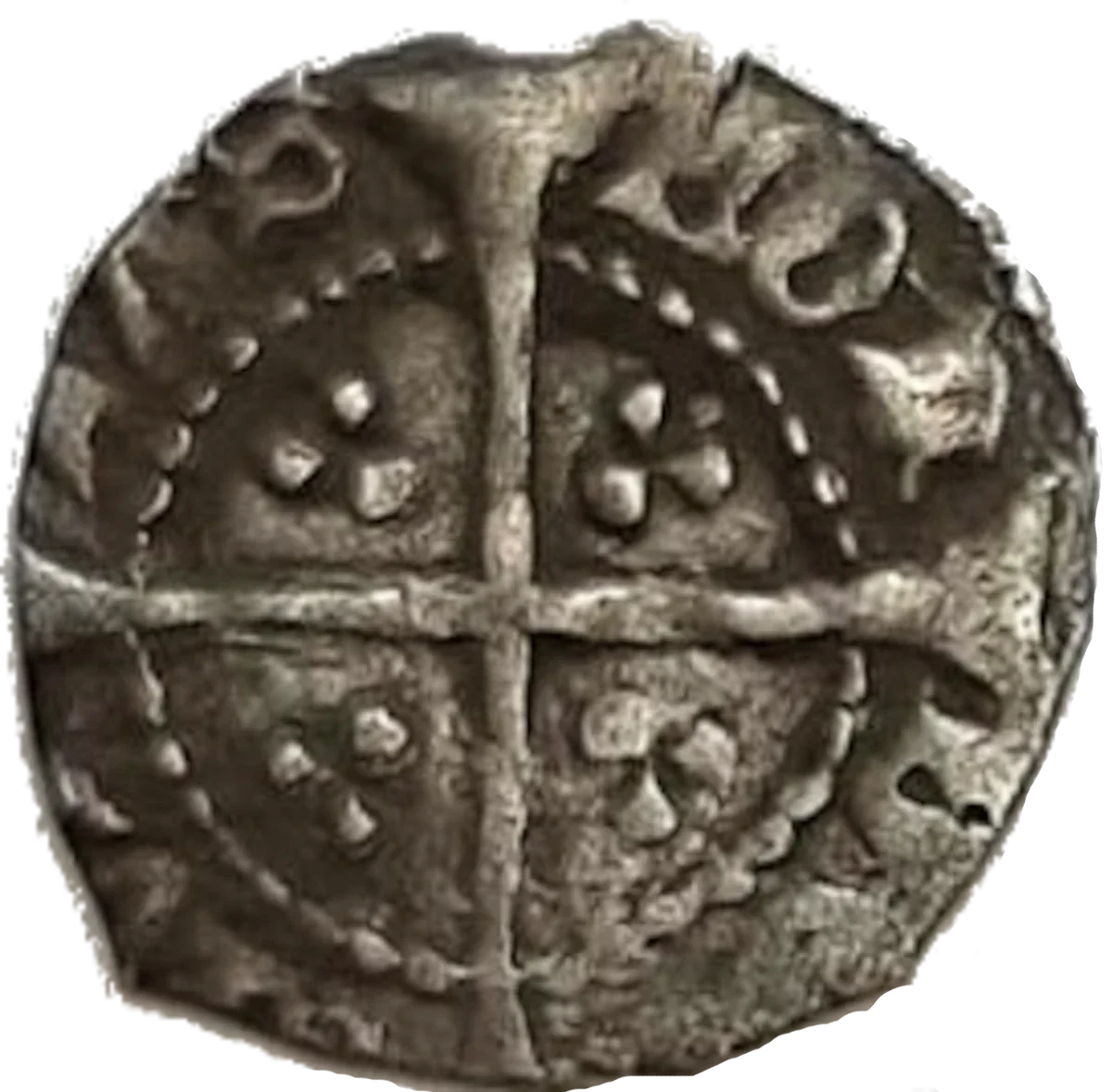
Coin Characteristics: Heavy Coinage - Cross mintmark
- Metal: Silver
- Denomination: Farthing (¼ penny)
- Mint(s): London
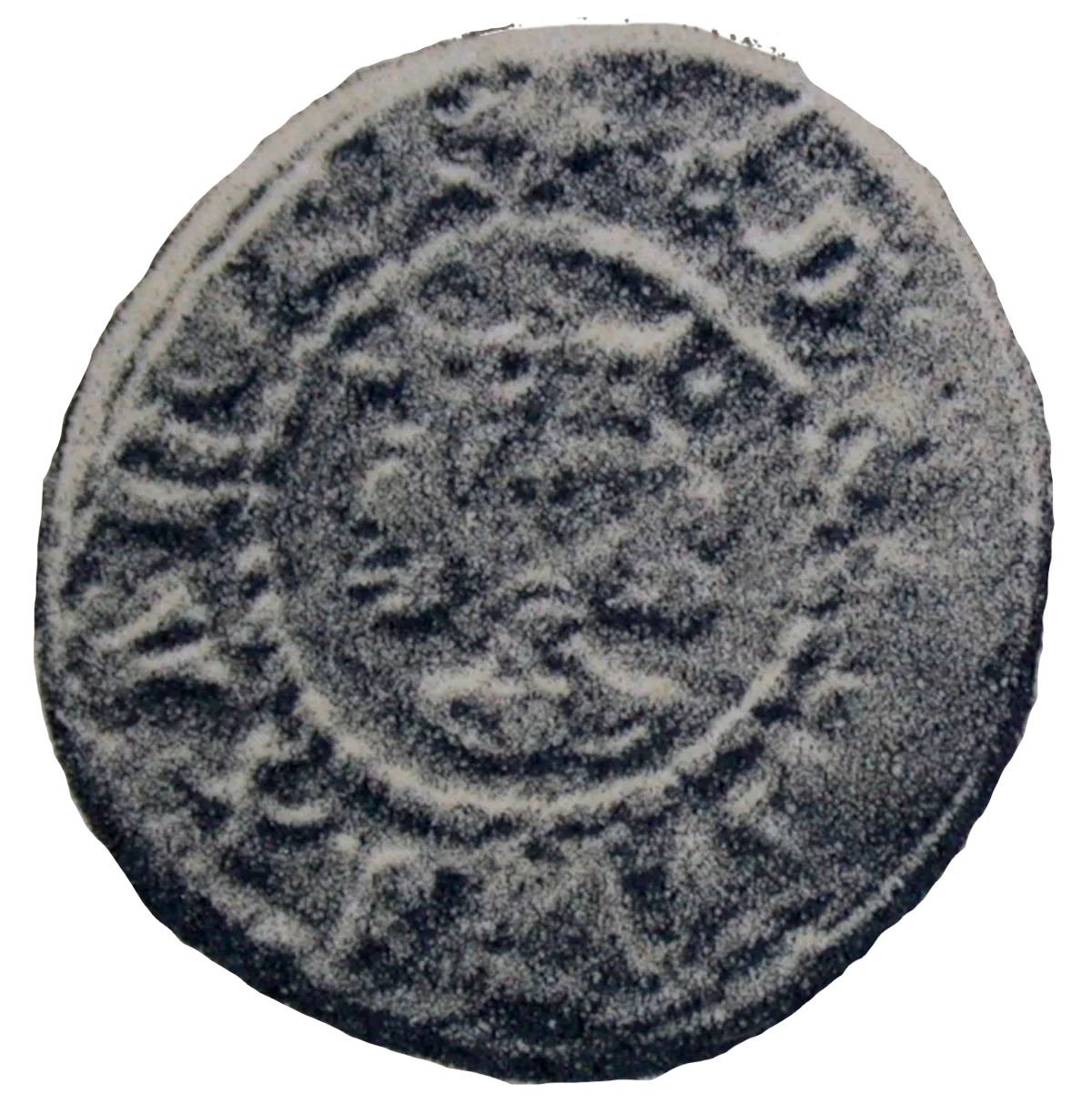
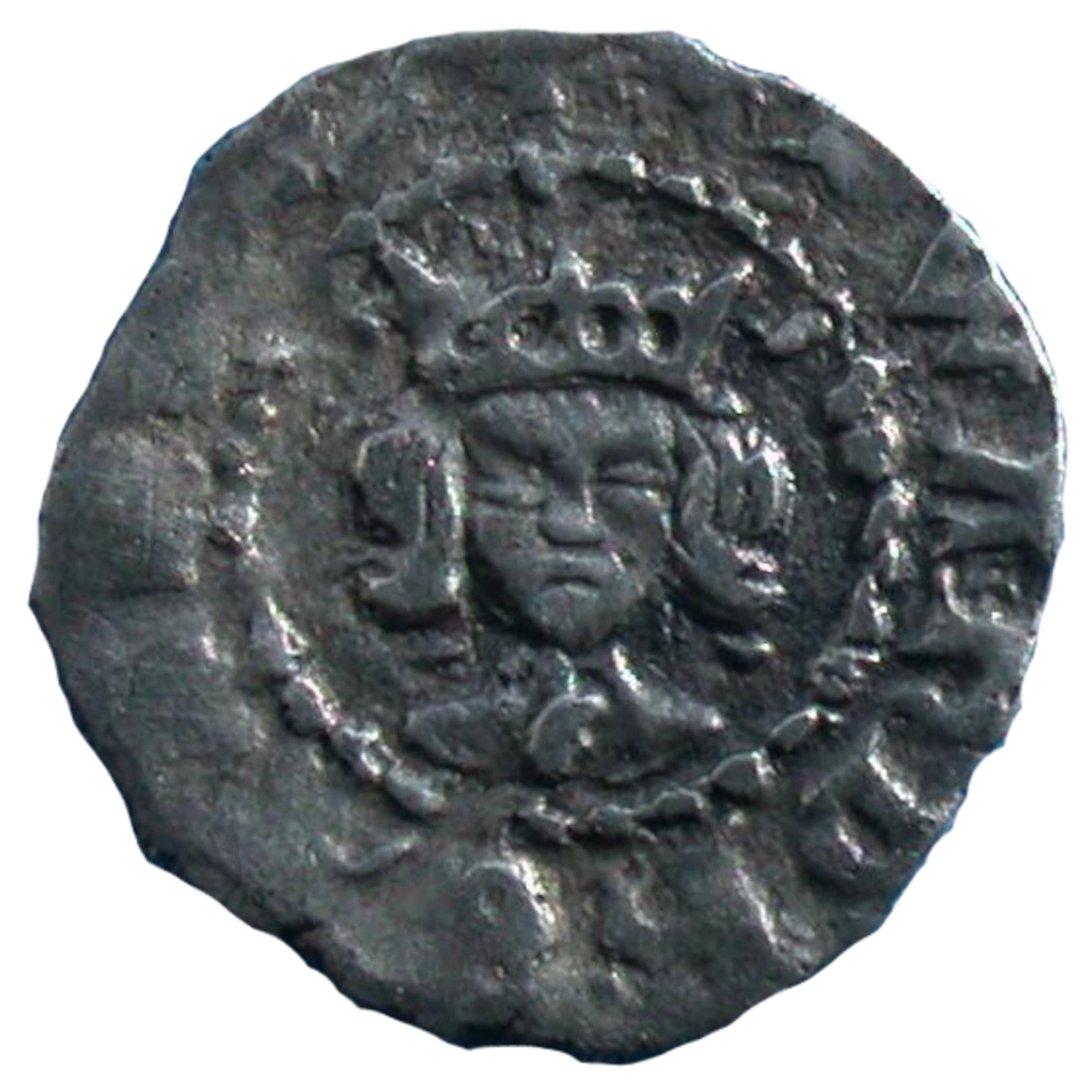
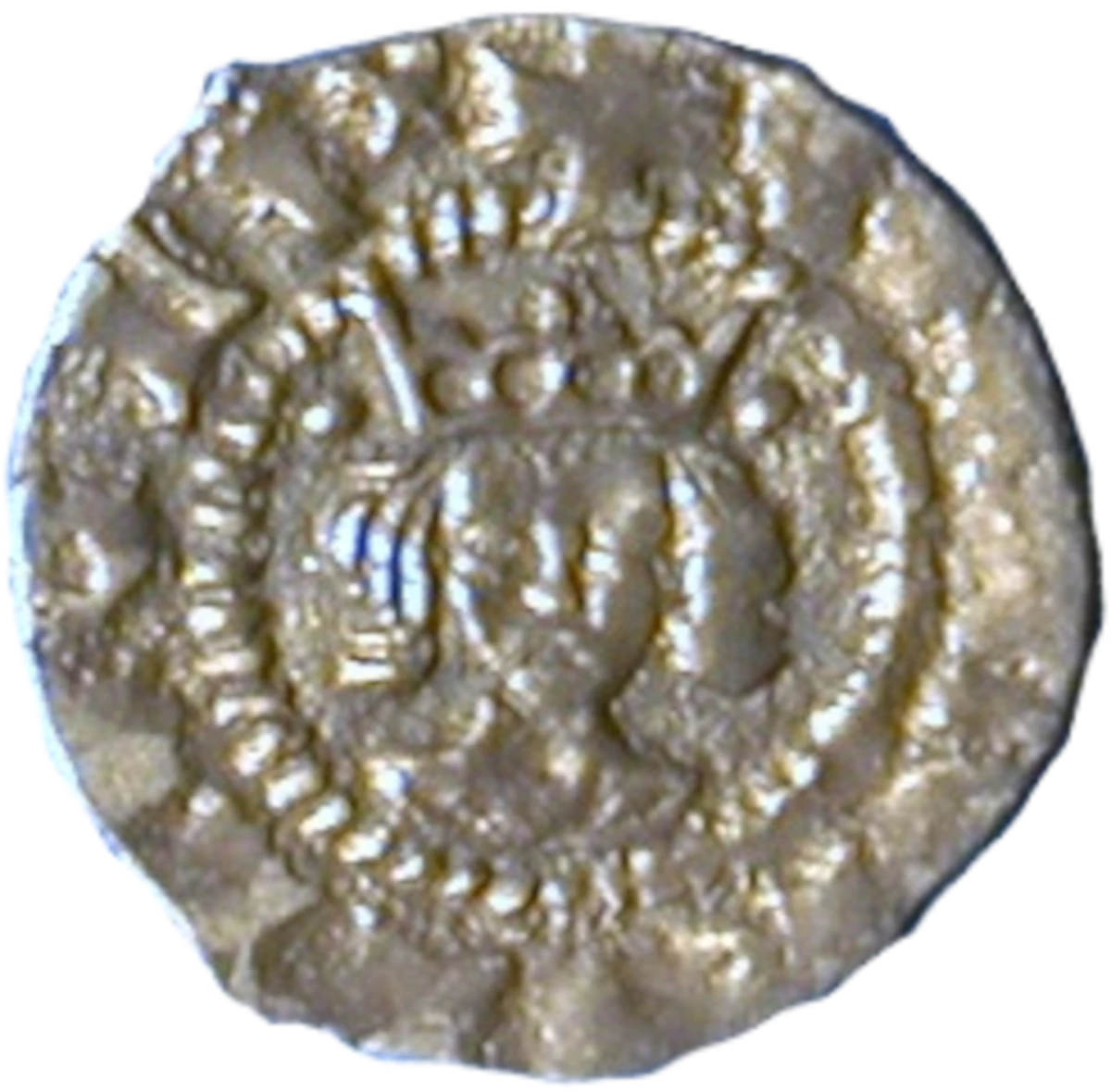
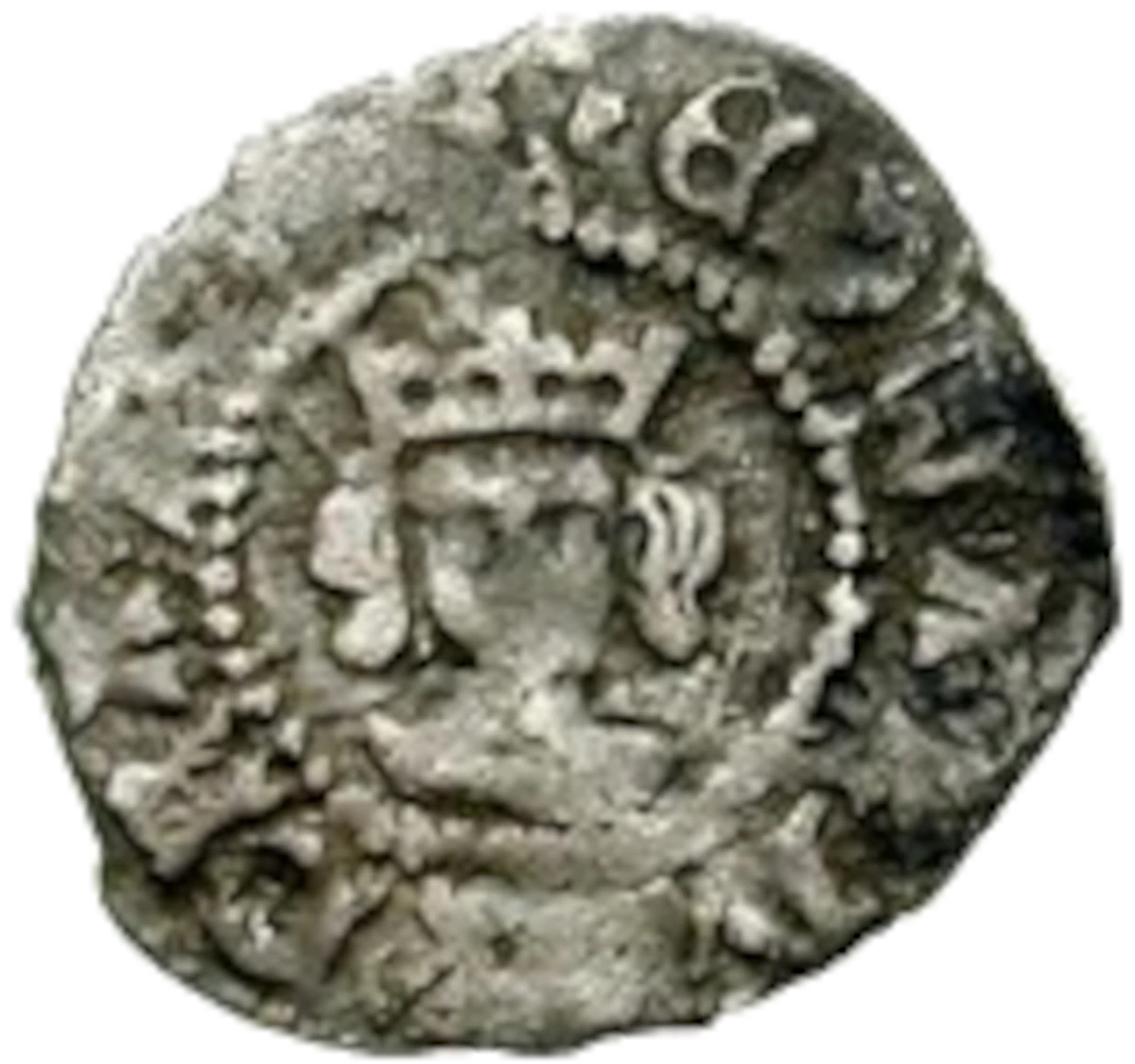
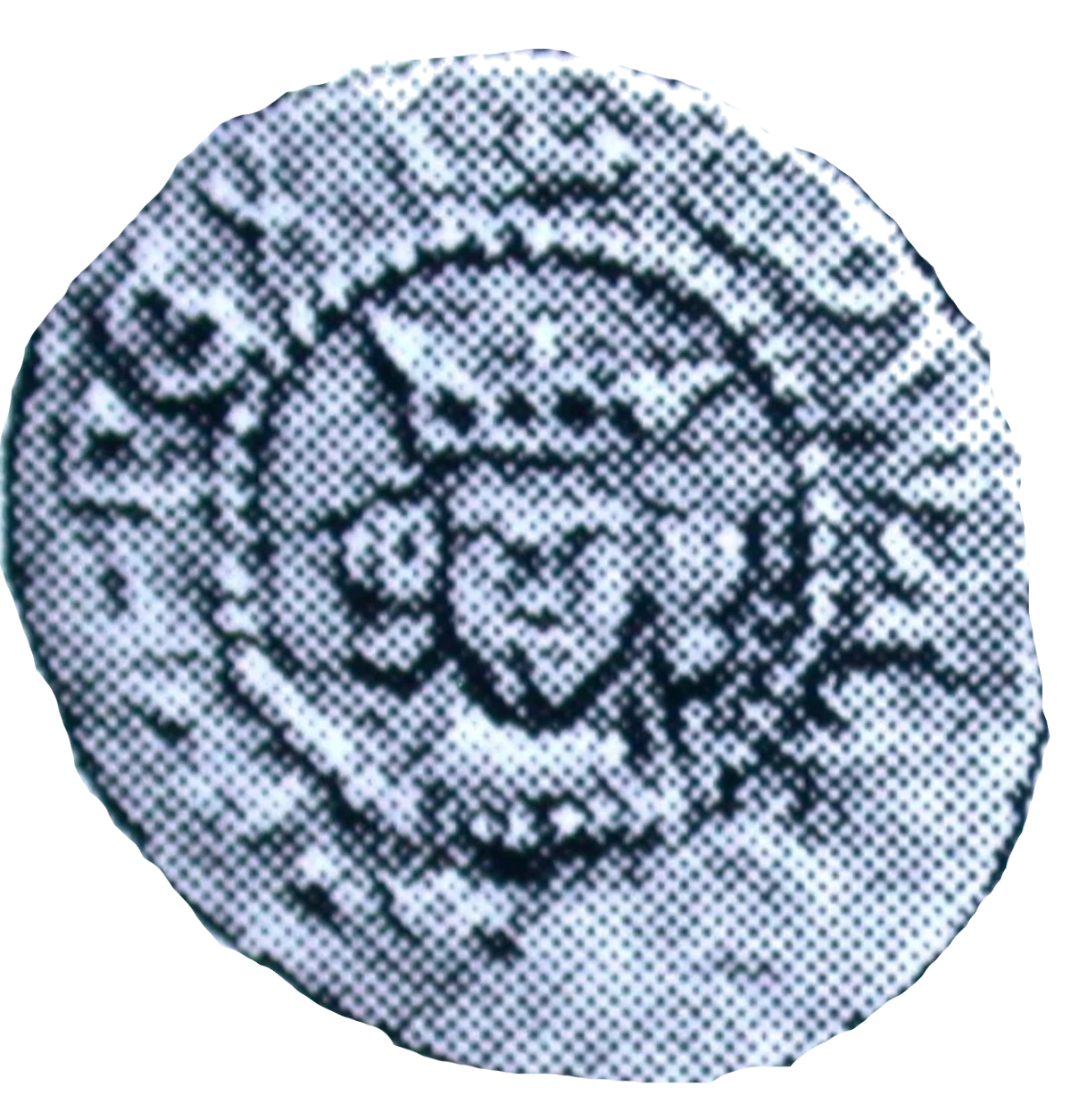
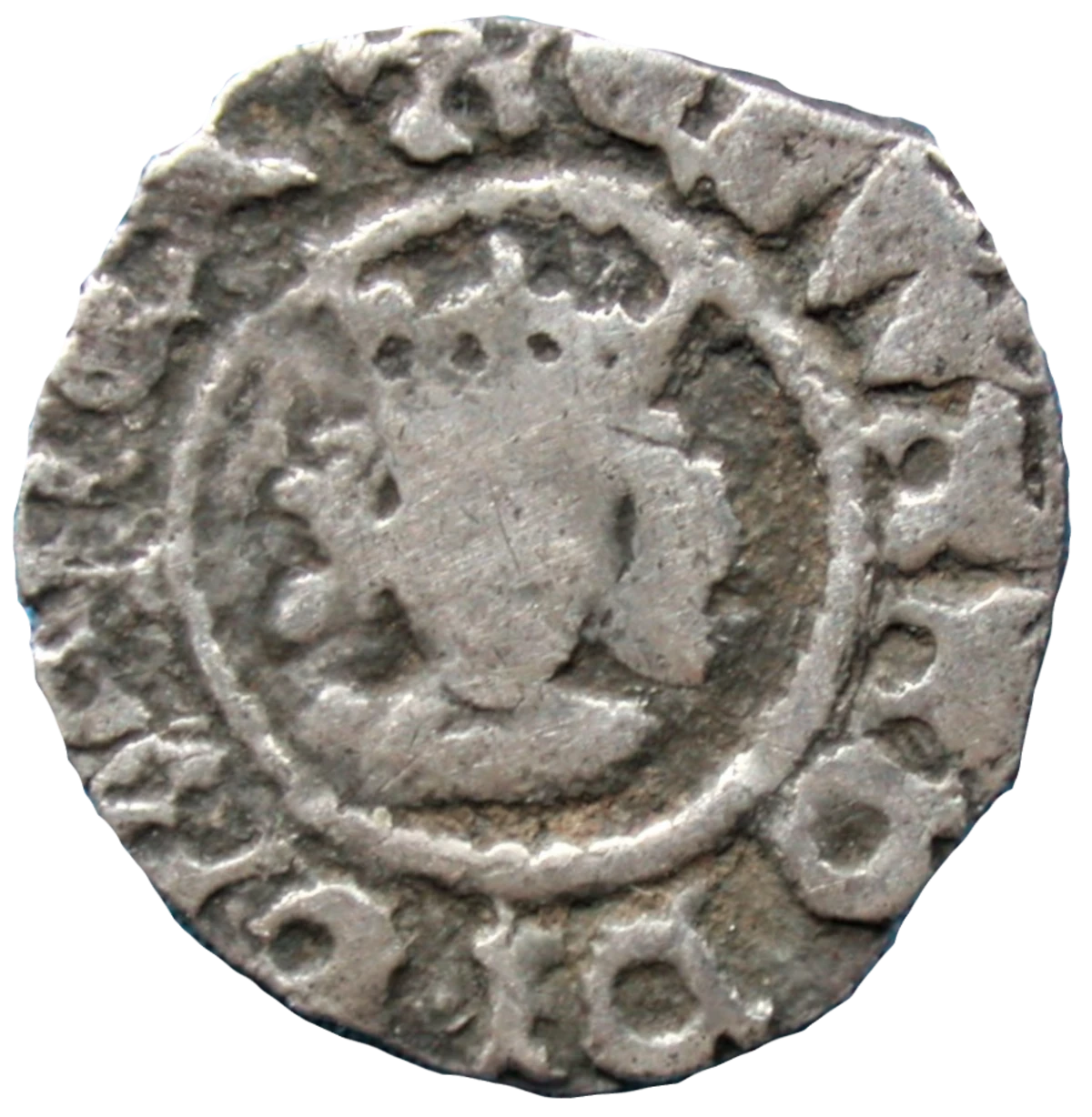
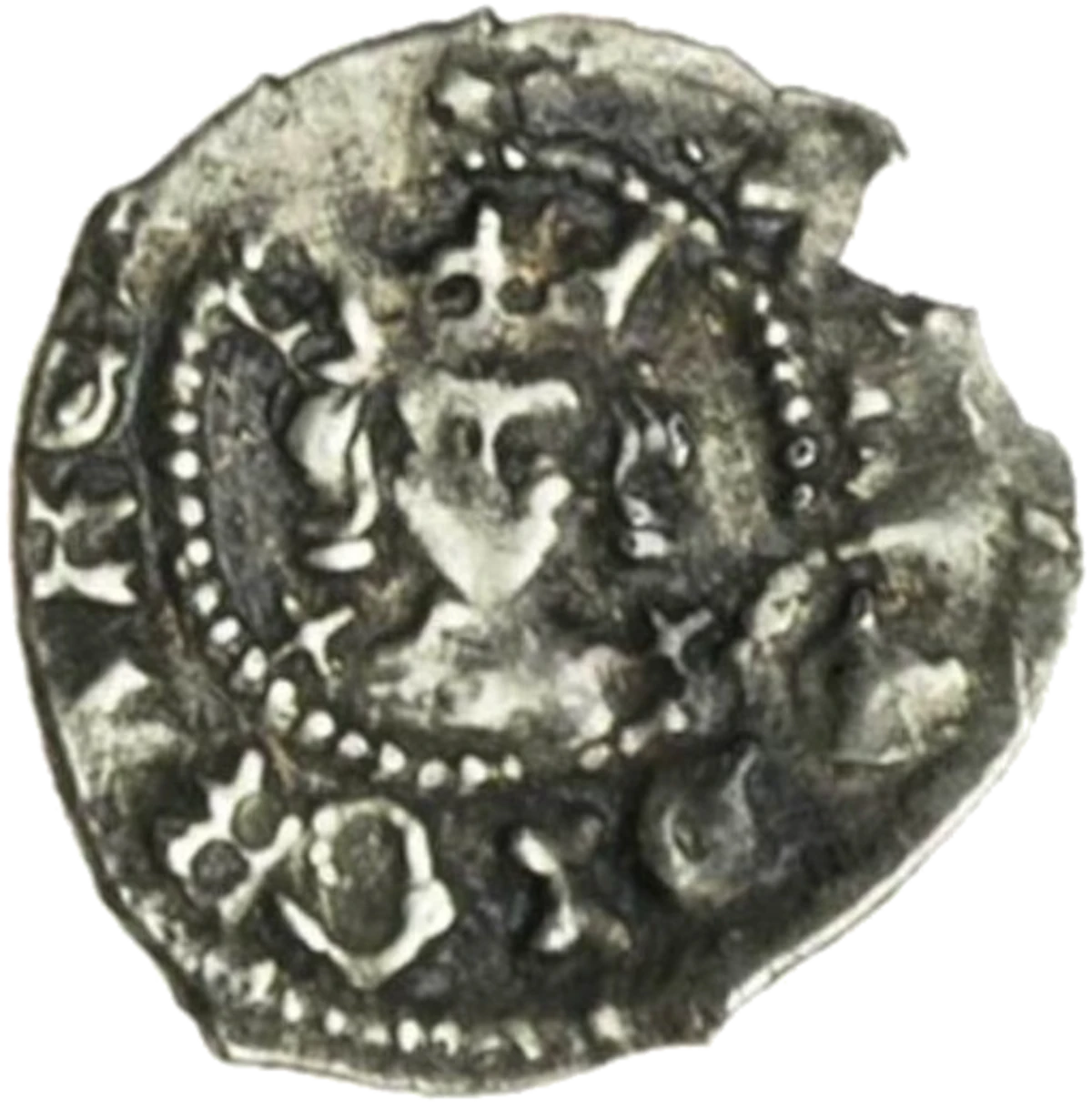
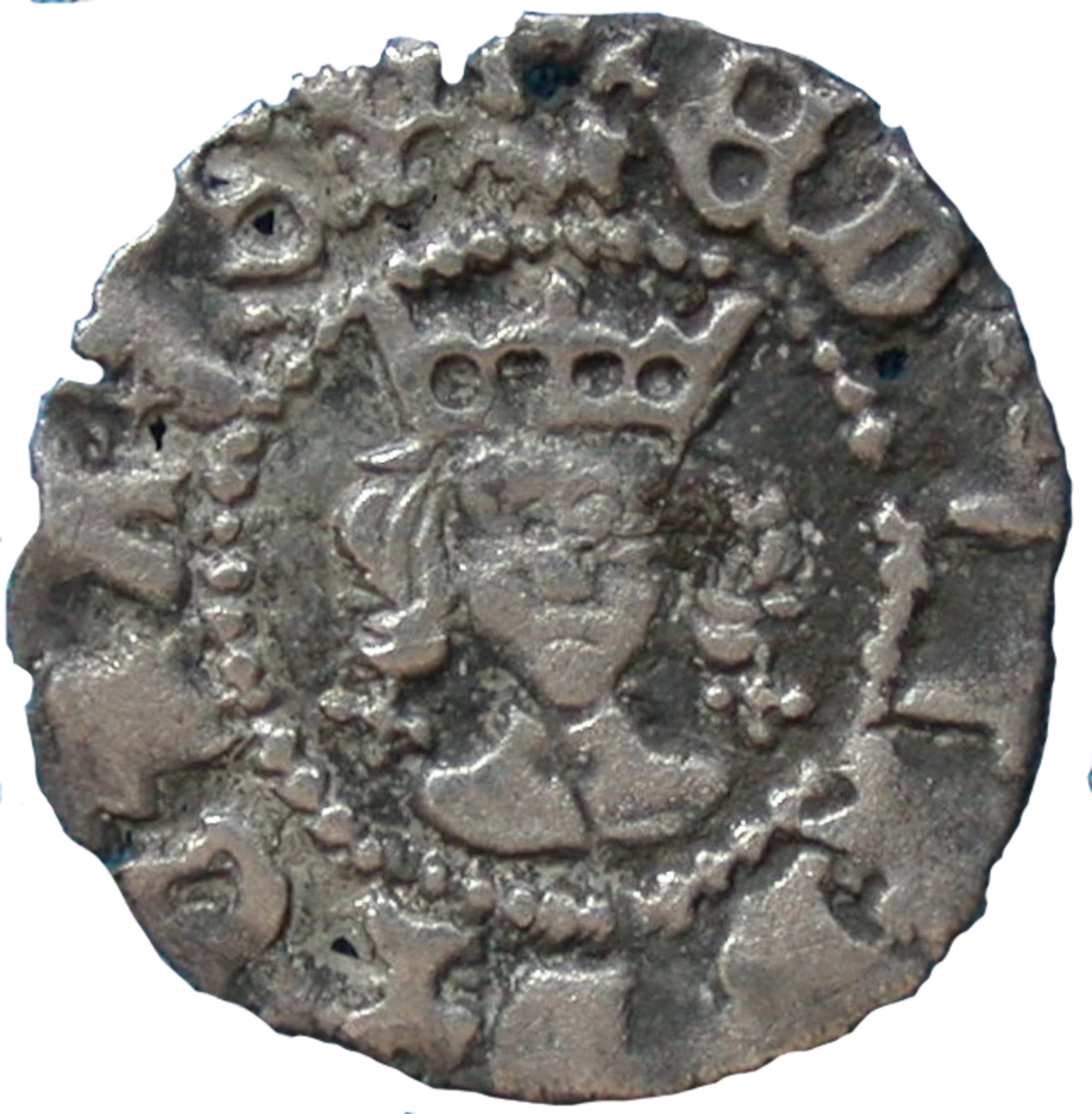
- Obverse: Crowned bust, i.m. Cross
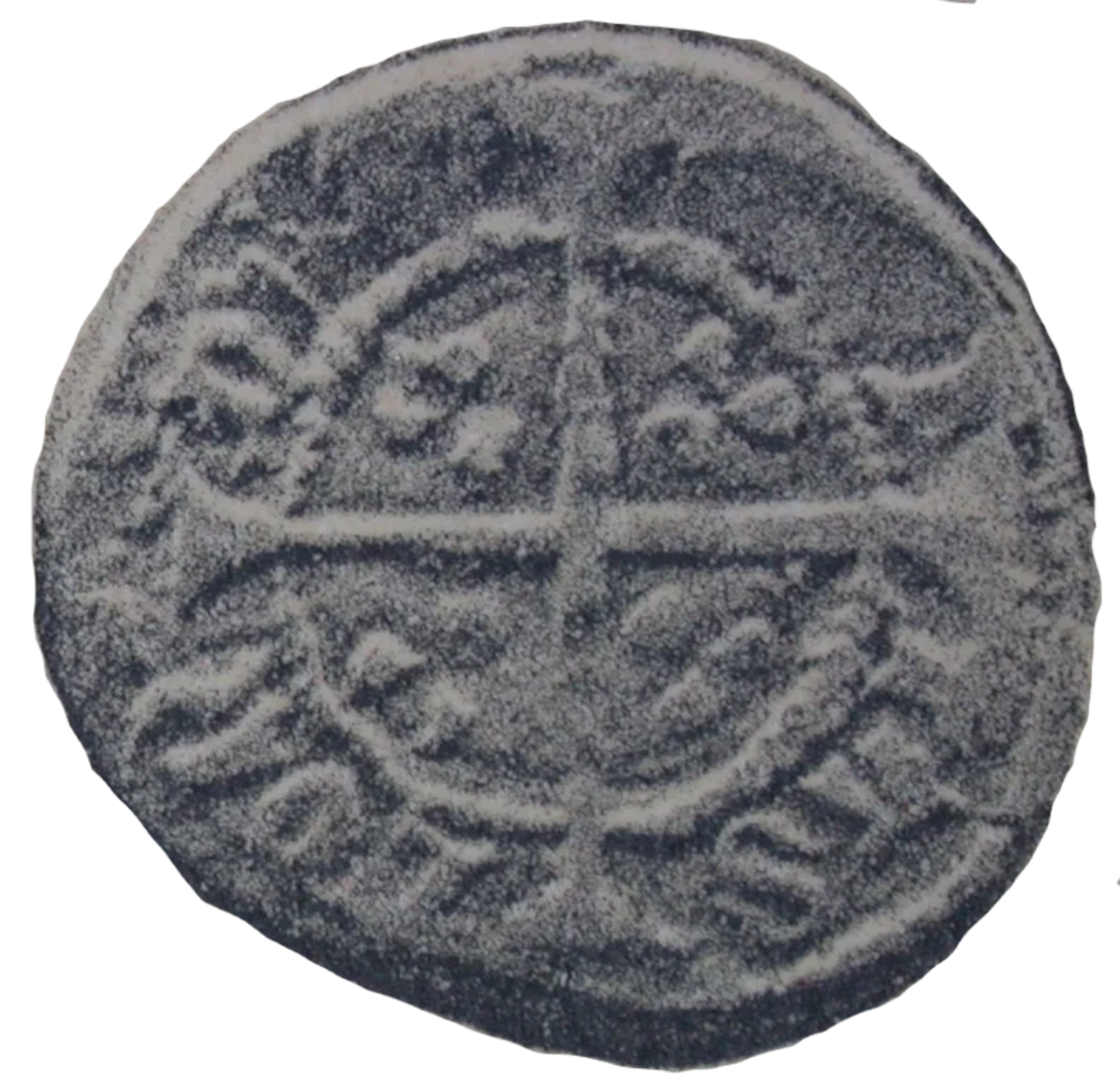
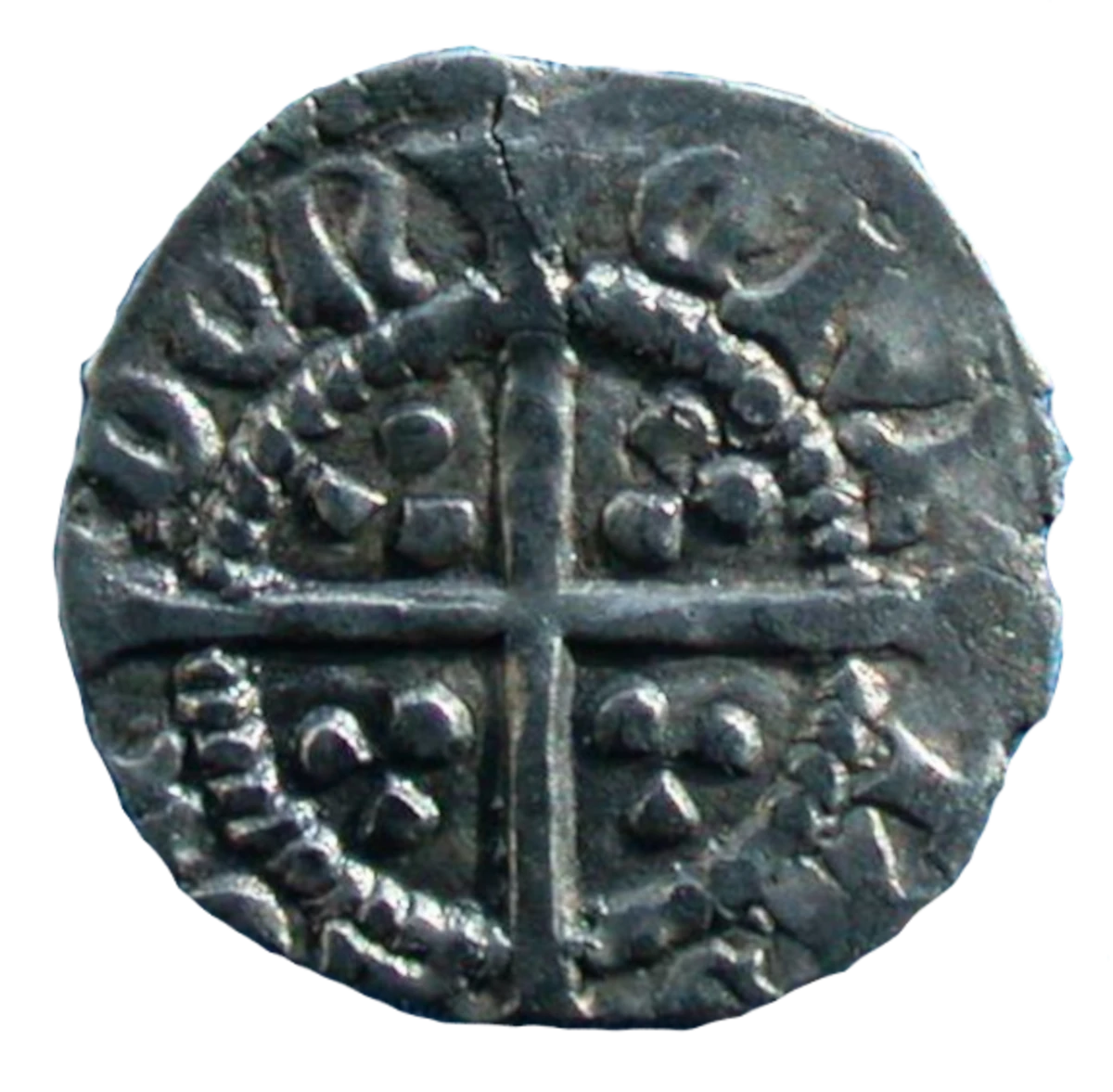
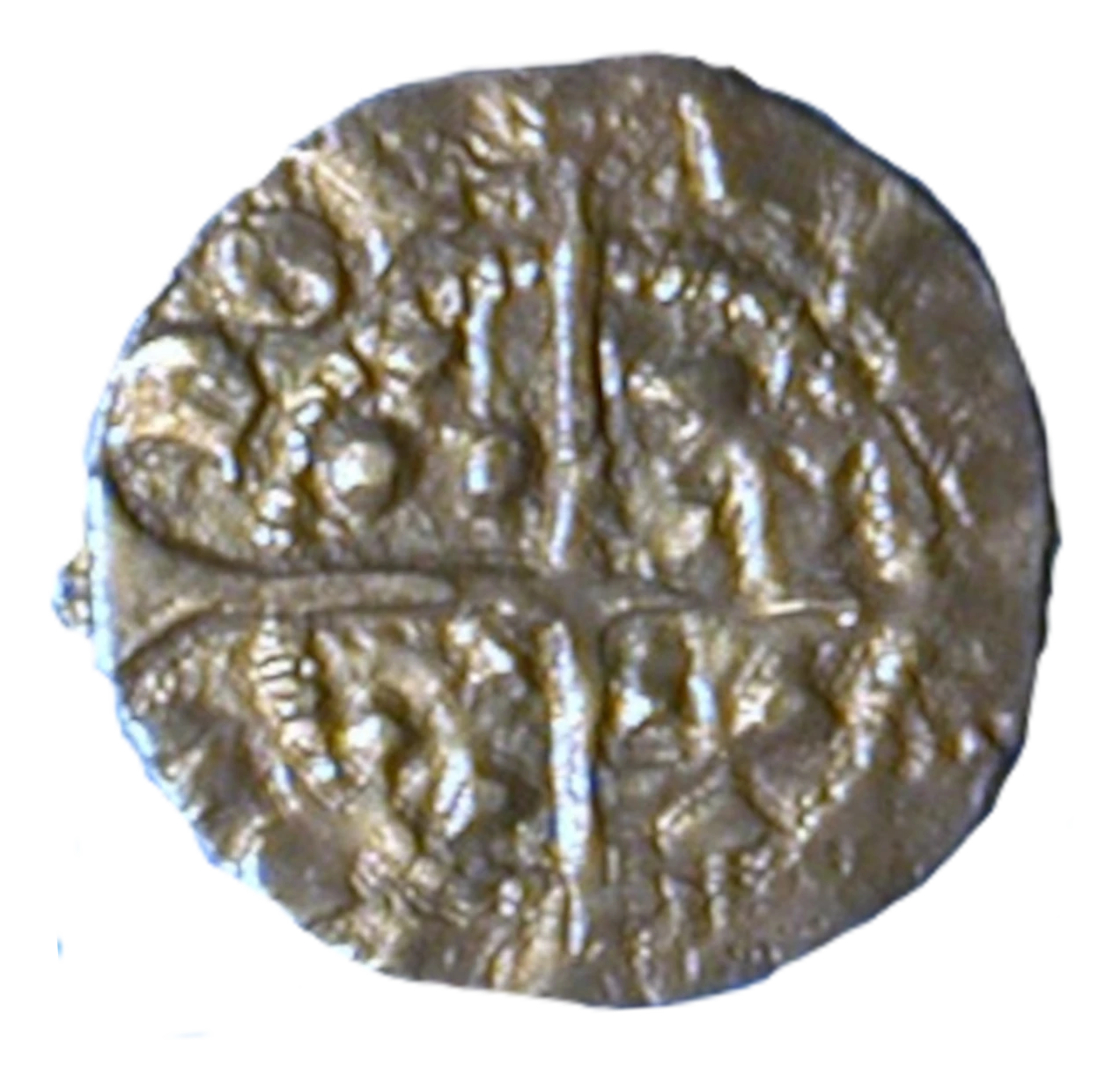
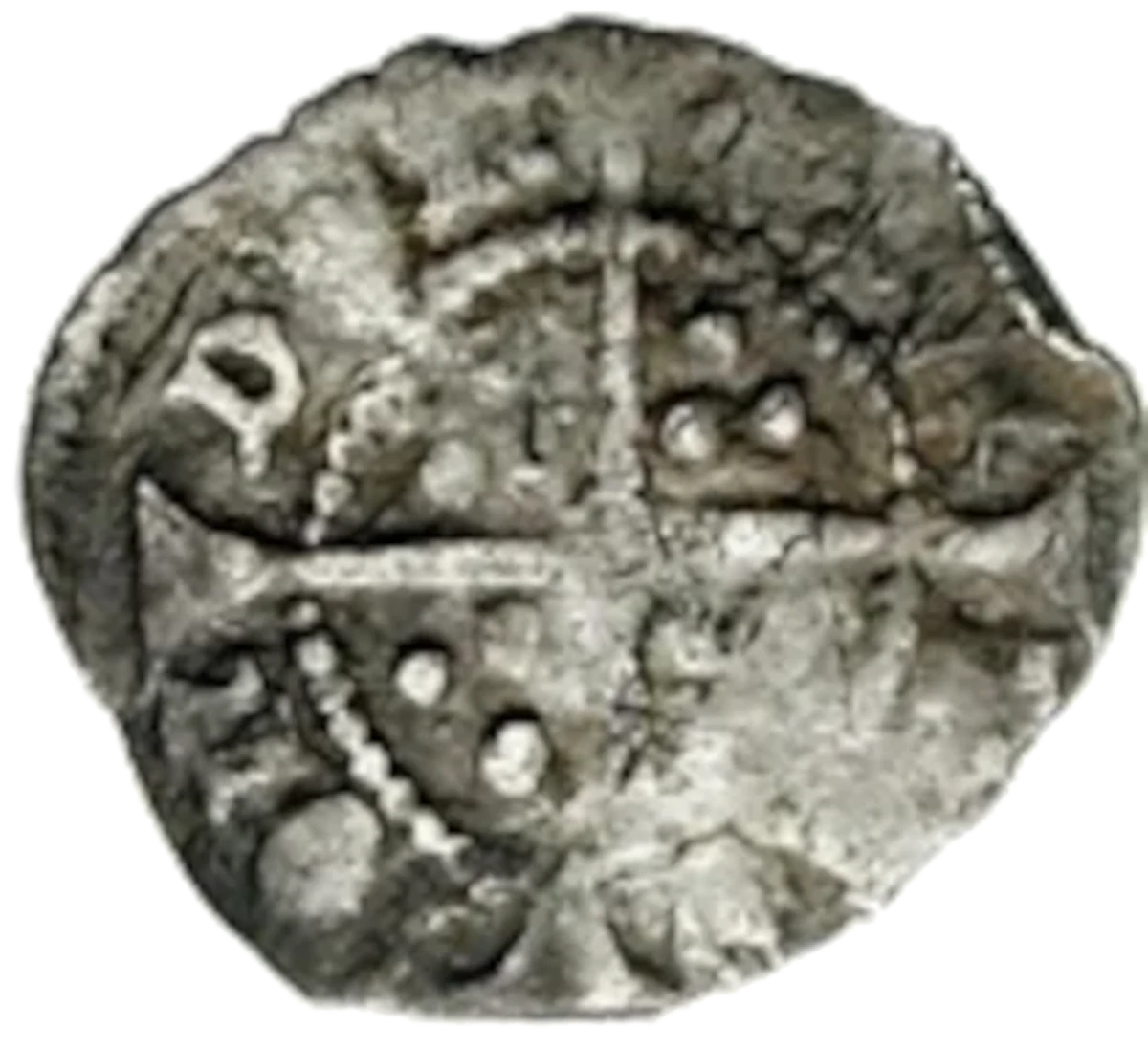
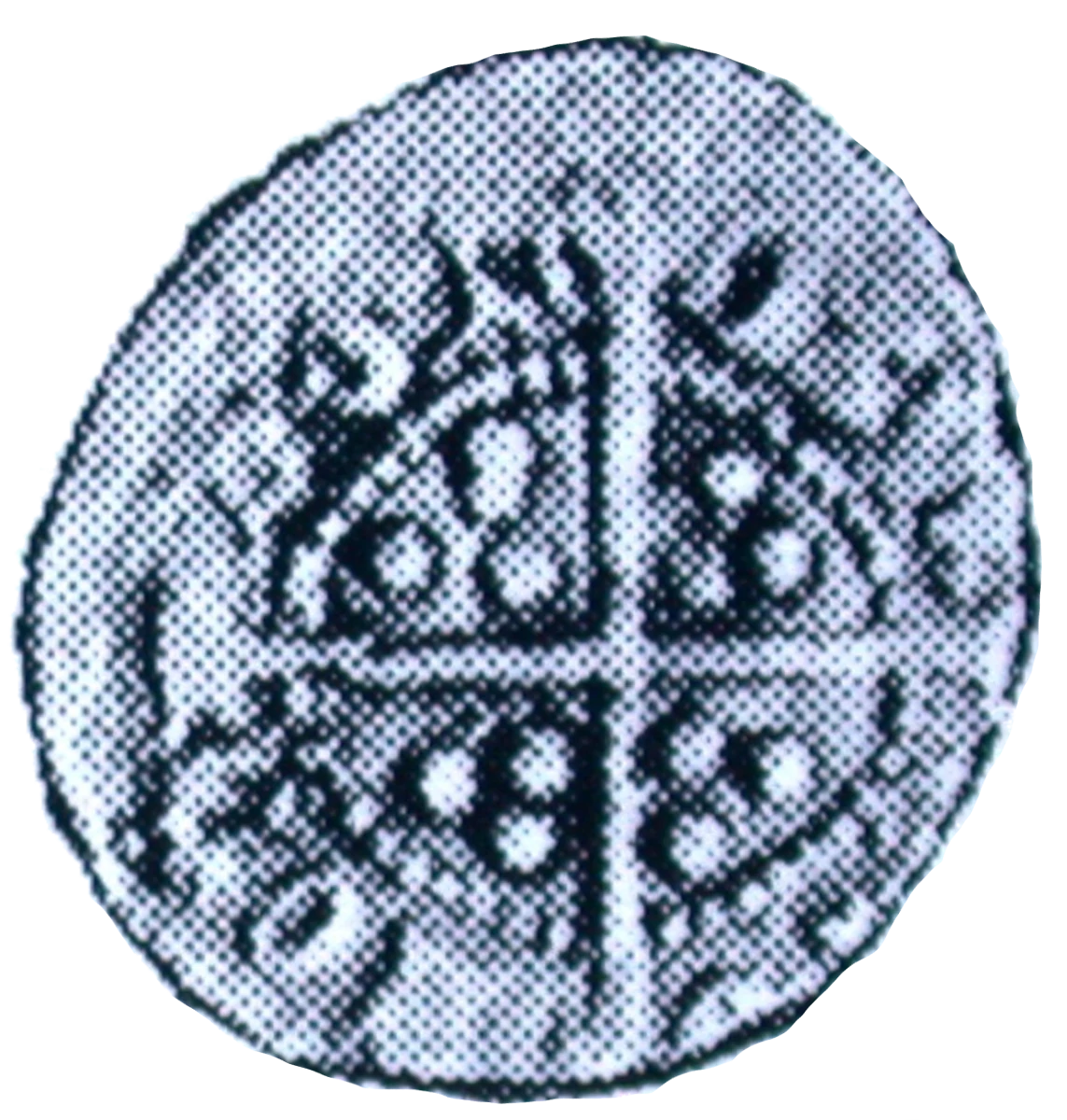
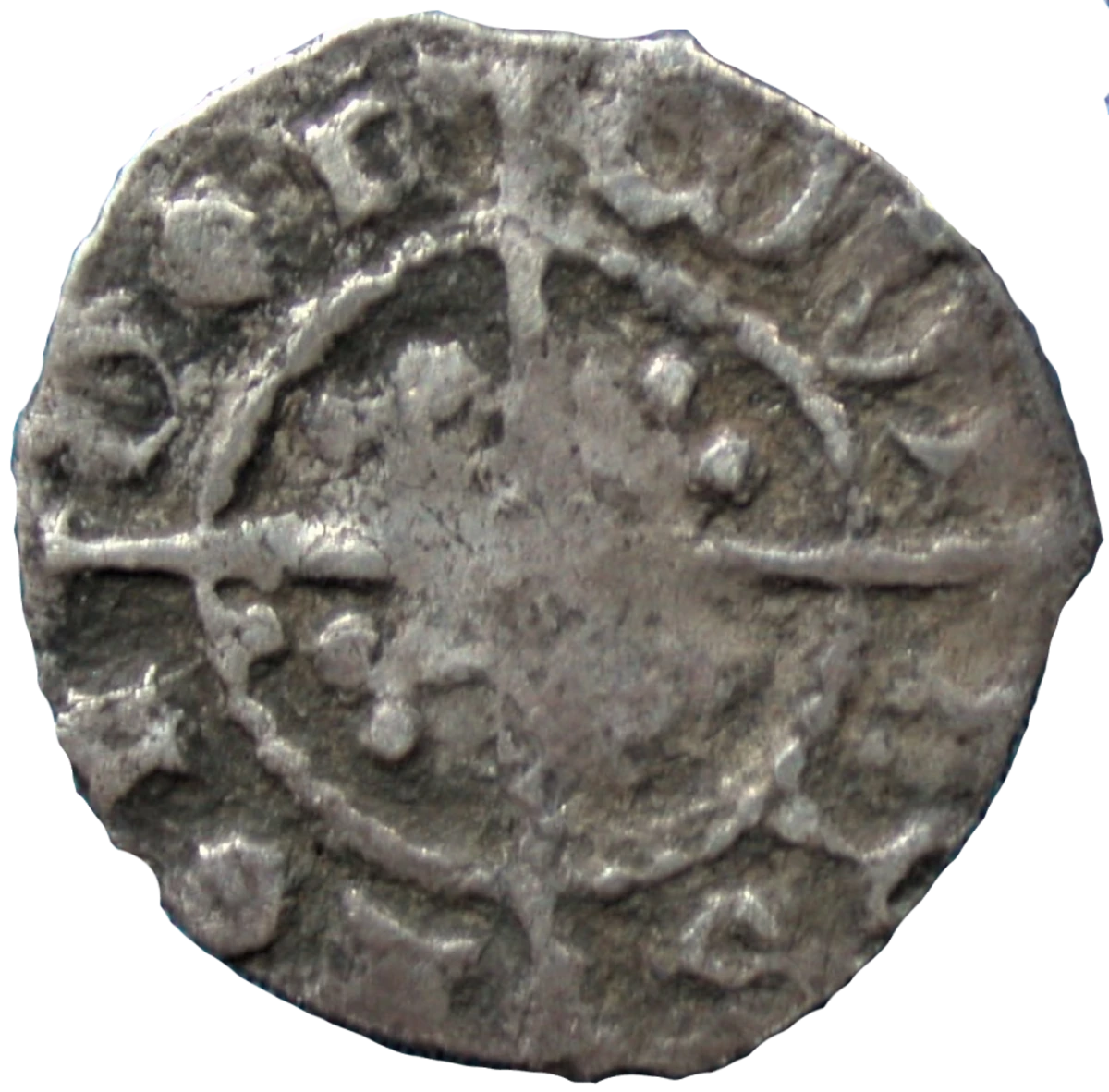
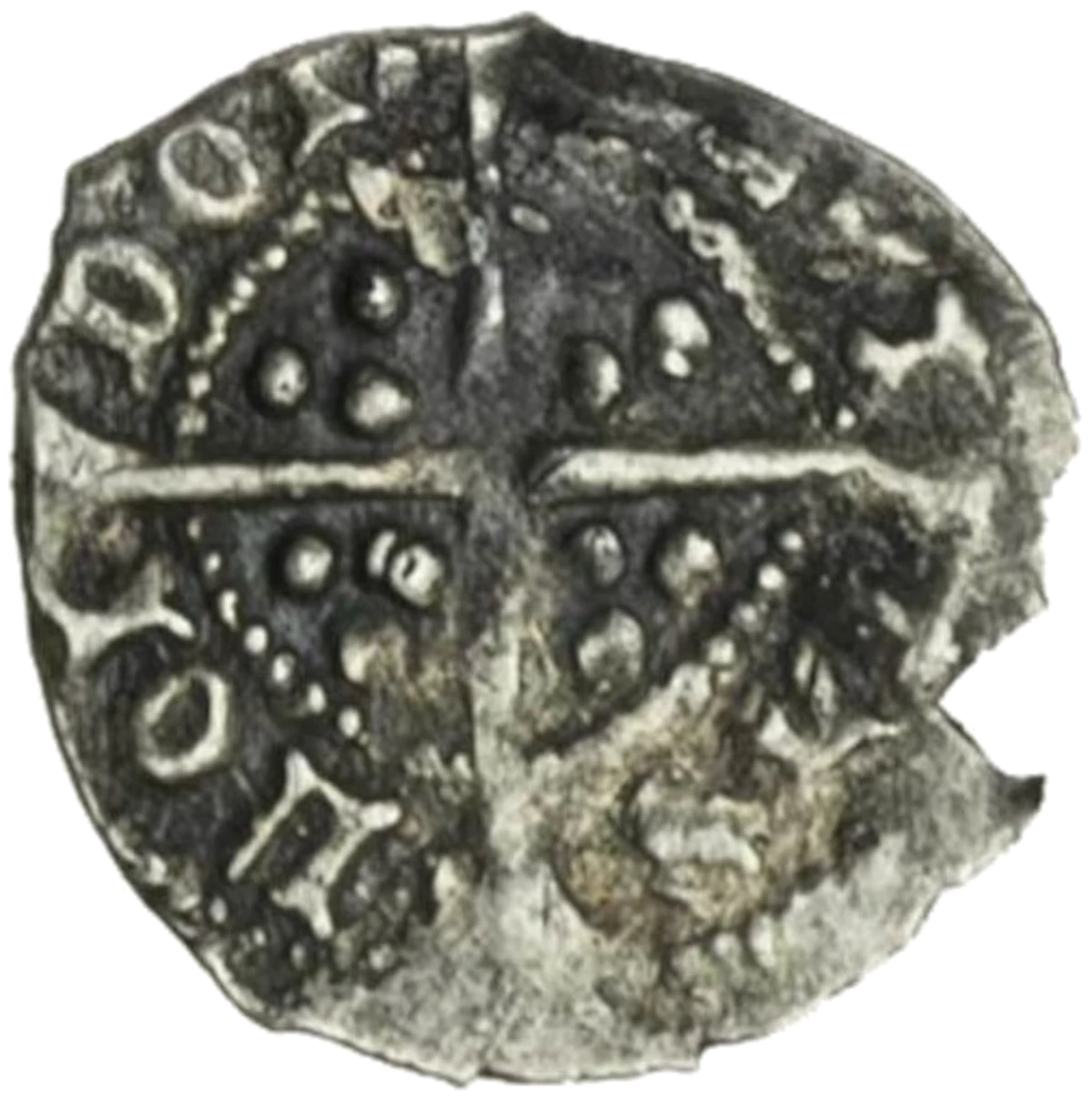
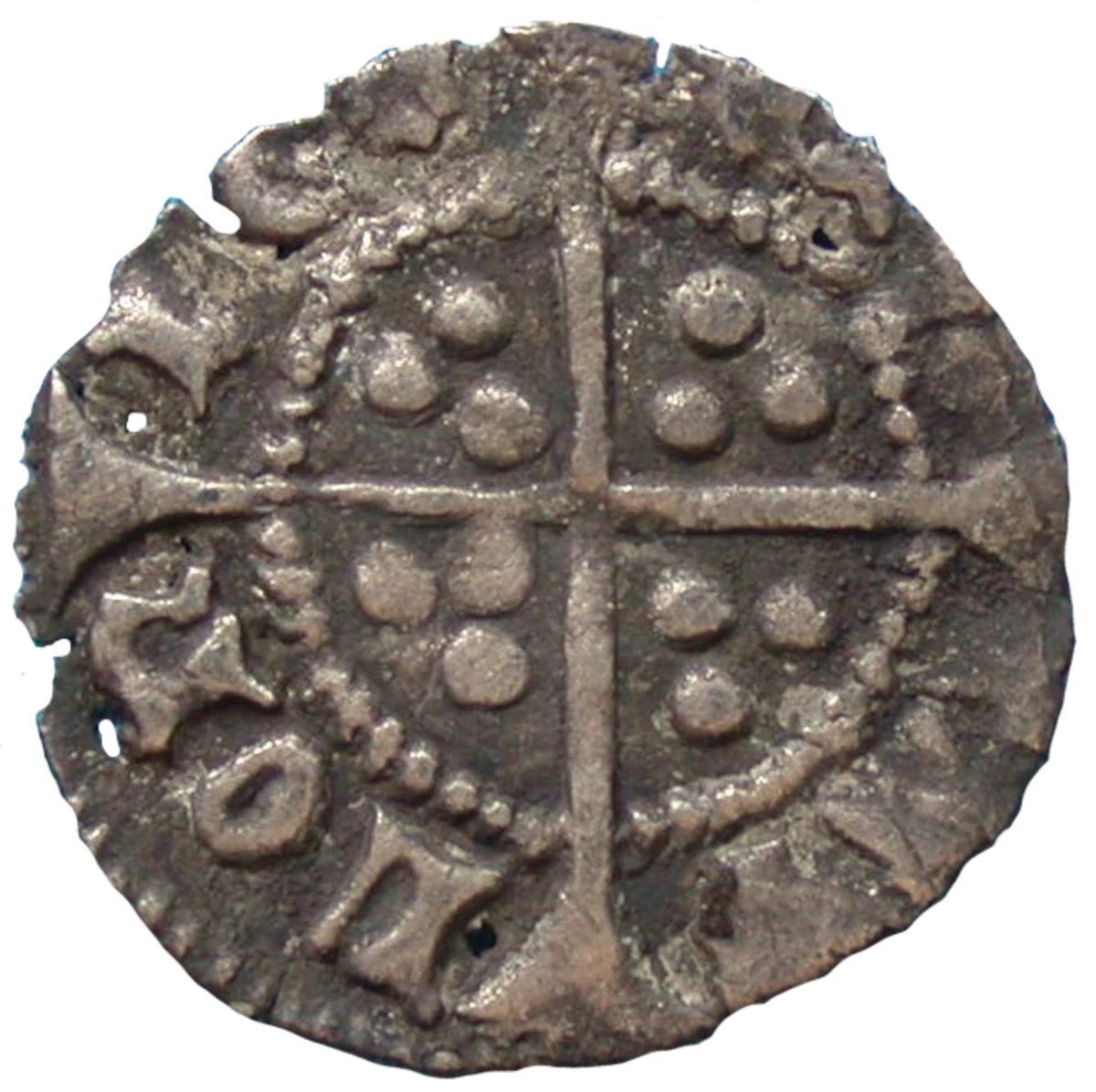
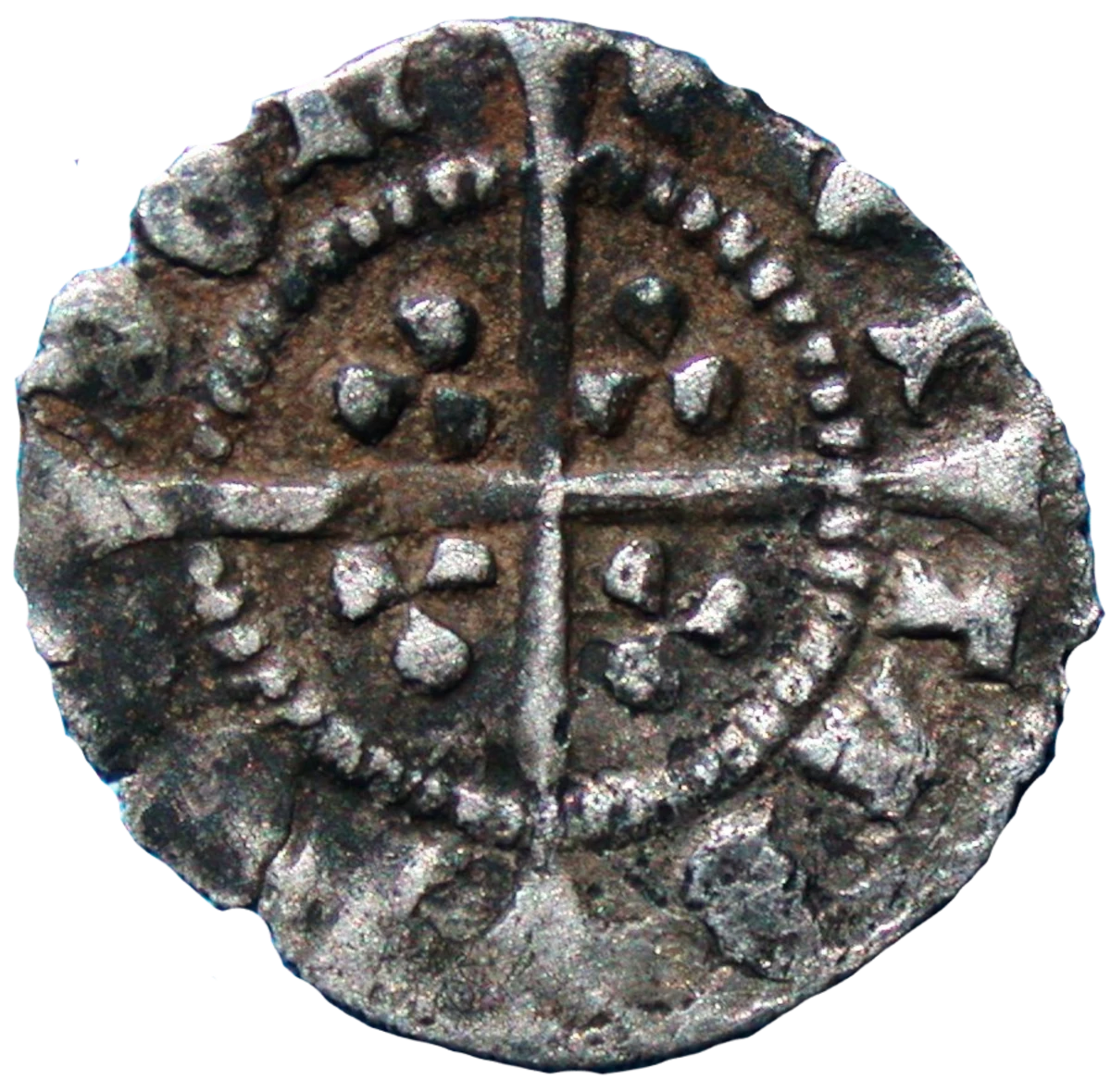
- Reverse: Long cross with 3 pellets in each quarter
- Coin diameter: 11mm
- Inner circle diameter: 6mm
- Weight: 0.19g-0.26g
Coin Examples - Pellets either side of crown & Lis on breast
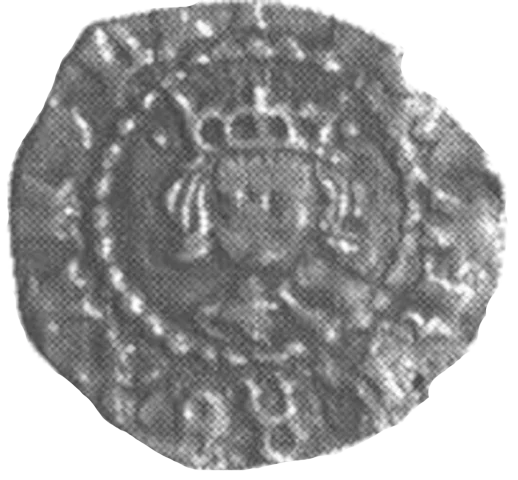
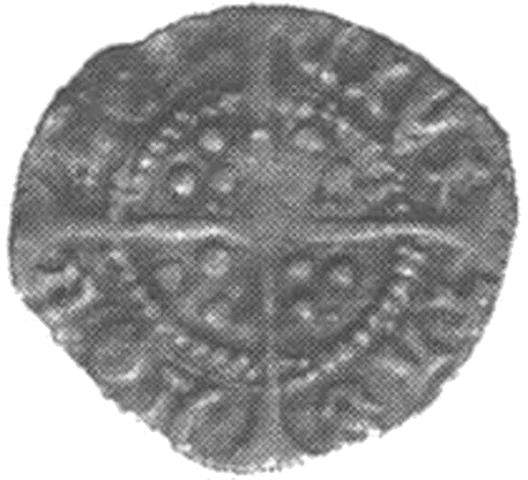
Year(s): 1461-1464
Mint: London
Type: Heavy Coinage
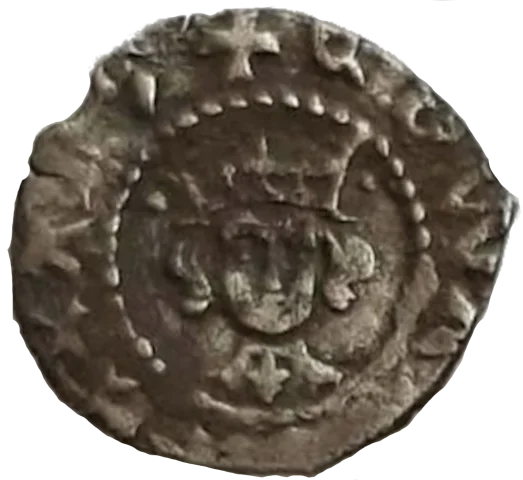
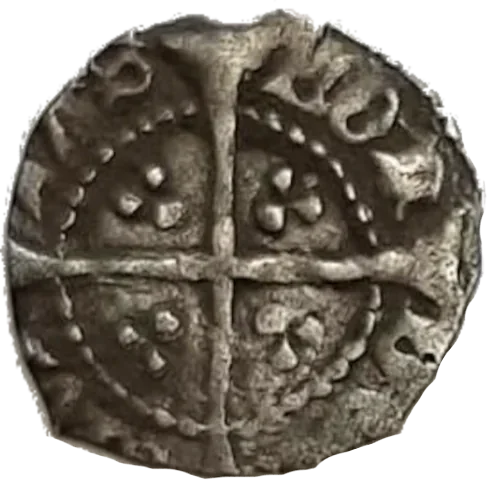
Obverse: +EDWARD REX AnGLI
(Lis on breast - pellet either side of crown)
Legend translated: Edward King of England
Reverse: CIVITAS LOnDOn "Long Cross" with three pellets in each quarter and very small extra pellet in the TAS & DON quarters.
Dies: H1.1/A
Reference(s): Blunt I(b); N.1548/1; S.1994; Withers 1.1/a
Scarcity: Extremely rare
Guide Price: £450 (Fine) £1350 (Very Fine)
Year(s): 1461-1464
Mint: London
Type: Heavy Coinage
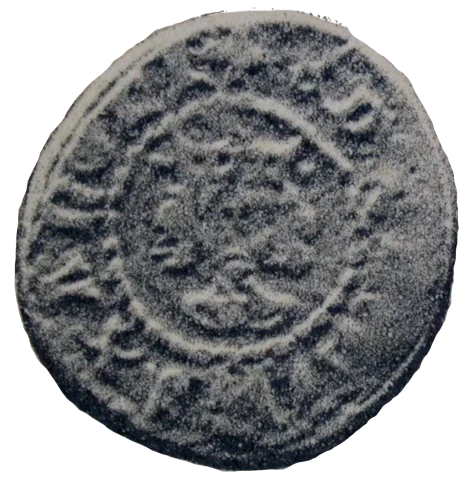
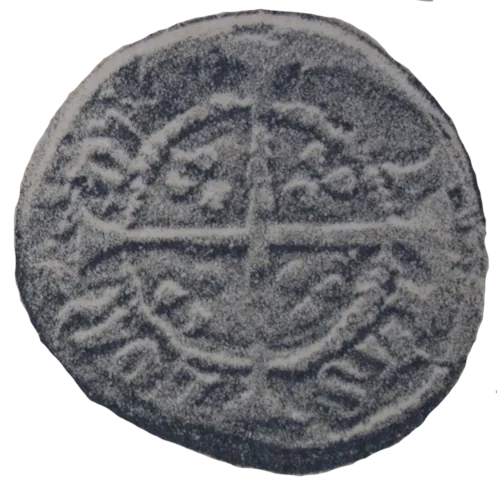
Obverse: +EDWARD REX AnGLI
(Lis on breast - pellet either side of crown)
Legend translated: Edward King of England
Reverse: CIVITAS LOnDOn "Long Cross" with three pellets in each quarter and very small extra pellet in the LON & DON quarters.
Dies: H1.1/B
Reference(s): Blunt I(b); N.1548/1; S.1994; Withers 1.1 var
Scarcity: Extremely rare
Guide Price: £450 (Fine) £1350 (Very Fine)
Year(s): 1461-1464
Mint: London
Type: Heavy Coinage
Obverse: +EDWARD REX AnGLI
(Lis on breast - pellet either side of crown)
Legend translated: Edward King of England
Reverse: CIVITAS LOnDOn "Long Cross" with three pellets in each quarter and very small extra pellet in the DON quarter.
Dies: H1.1/C
Reference(s): Blunt I(b); N.1548/1; S.1994; Withers 1.1 var
Scarcity: Extremely rare
Guide Price: £450 (Fine) £1350 (Very Fine)
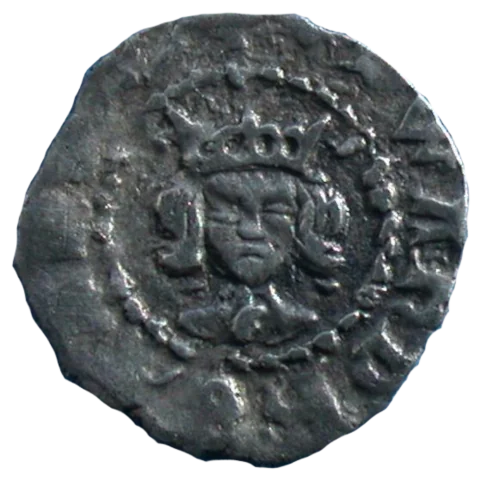
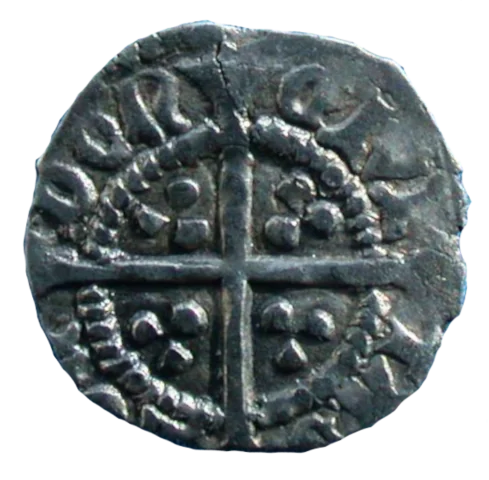
Year(s): 1461-1464
Mint: London
Type: Heavy Coinage
Obverse: +EDWARD REX AnGLI
(Lis on breast - pellet either side of crown)
Legend translated: Edward King of England
Reverse: CIVITAS LOnDOn "Long Cross" with three pellets in each quarter and no extra pellets.
Dies: H1.1/D
Reference(s): Blunt I(b); N.1548/1; S.1994; Withers 1.1 var
Scarcity: Extremely rare
Guide Price: £450 (Fine) £1350 (Very Fine)
Coin Examples - Pellets either side of crown & nothing on breast
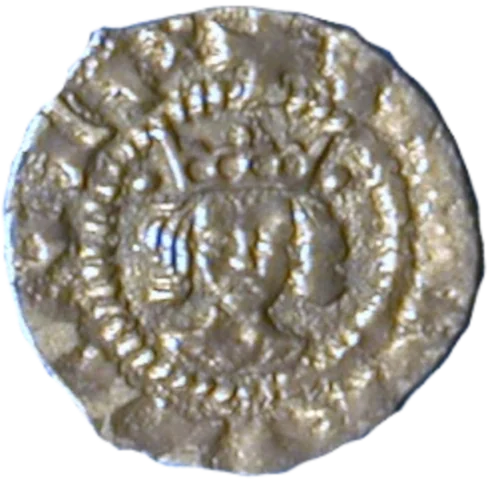
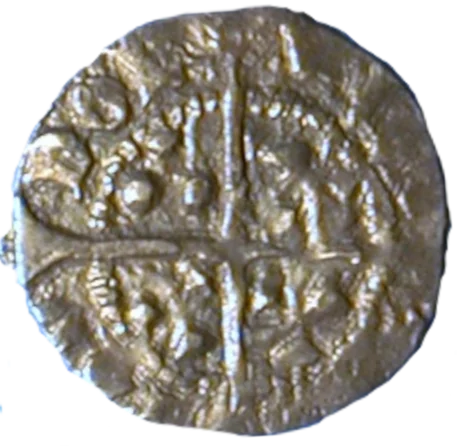
Year(s): 1461-1464
Mint: London
Type: Heavy Coinage
Obverse: +EDWARD R AnGLIx
(Pellet either side of crown)
Legend translated: Edward King of England
Reverse: CIVITAS LOnDOn "Long Cross" with three pellets in each quarter.
Dies: H2.1/A
Reference(s): Blunt - ; N.-; S.1994; Withers 2.1/a
Scarcity: Extremely rare
Guide Price: £450 (Fine) £1350 (Very Fine)
Coin Characteristics: Heavy Coinage - Rose mintmark
- Metal: Silver
- Denomination: Farthing (¼ penny)
- Mint(s): London
- Obverse: Crowned bust, i.m. Rose
- Reverse: Long cross with 3 pellets in each quarter
- Coin diameter: 11mm
- Inner circle diameter: 6mm
- Weight: 0.17g-0.24g
Coin Examples - No marks by bust
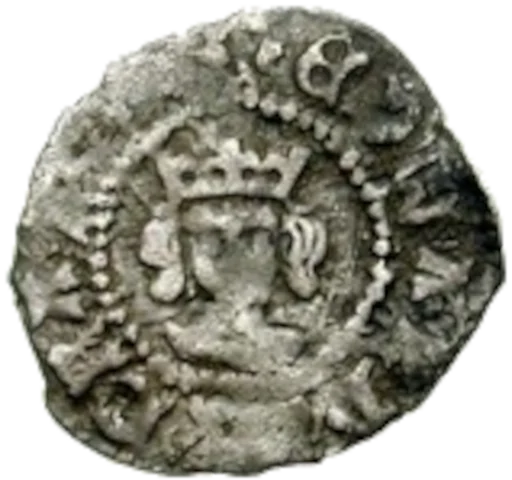
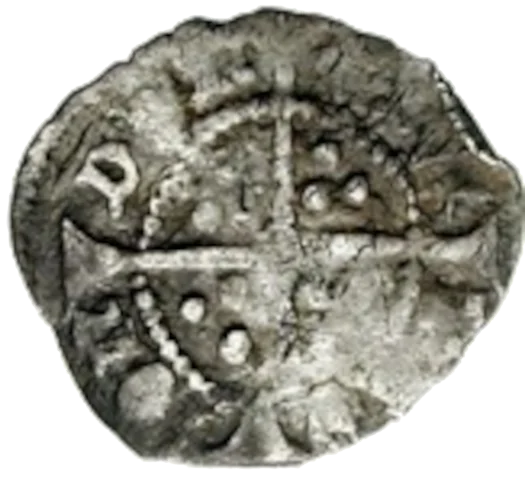
Year(s): 1461-1464
Mint: London
Type: Heavy Coinage
Obverse: EDWARD DI' GRA REX
Legend translated: Edward by the grace of God, King
Reverse: CIVITAS LOnDOn "Long Cross" with three pellets in each quarter.
Dies: H3.2/B
Reference(s): Blunt -; N.1548/2; S.1994B III; Withers 3.2/b
Scarcity: Extremely rare
Guide Price: £450 (Fine) £1350 (Very Fine)
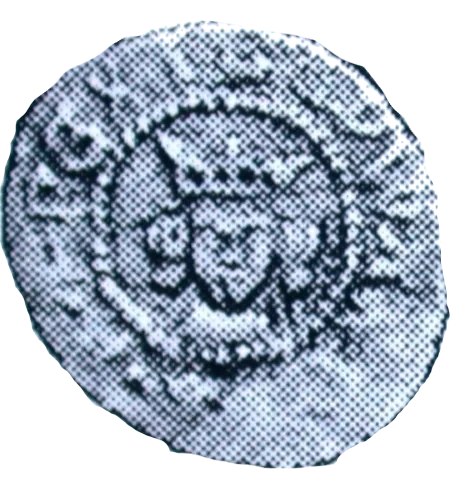
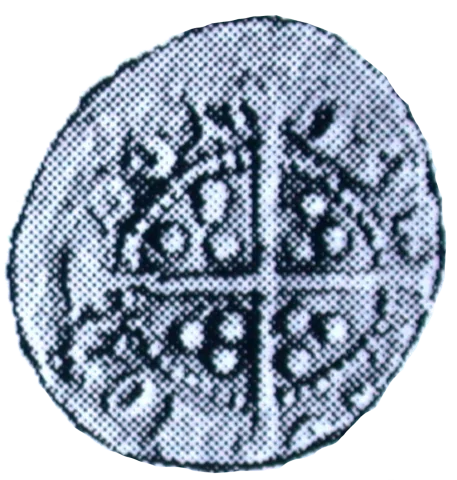
Year(s): 1461-1464
Mint: London
Type: Heavy Coinage
Obverse: EDWARD DI' GRA REX
Legend translated: Edward by the grace of God, King
Reverse: CIVITAS LOnDOn "Long Cross" with three pellets in each quarter and extra pellet in the DON quarter.
Dies: H3.3/C
Reference(s): Blunt -; N.-; S.1994B III; Withers 3.3 var
Scarcity: Extremely rare
Guide Price: £450 (Fine) £1350 (Very Fine)
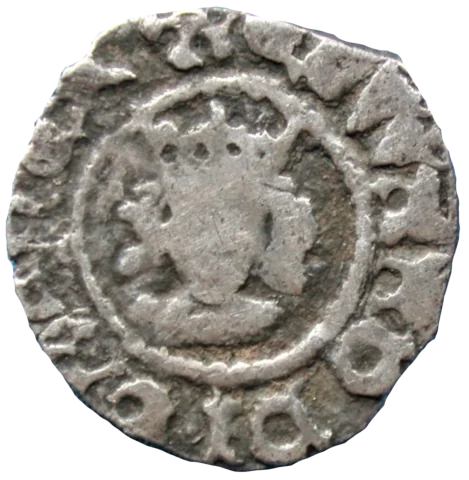
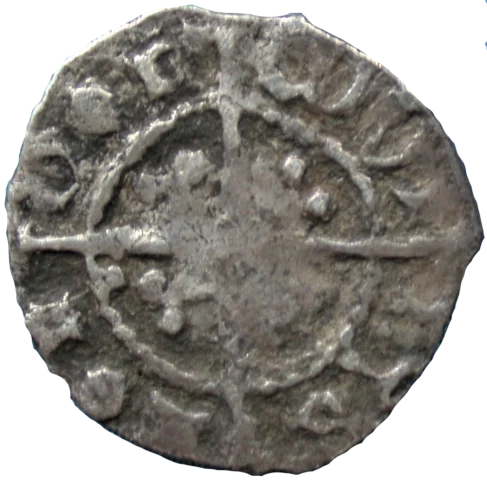
Year(s): 1461-1464
Mint: London
Type: Heavy Coinage
Obverse: EDWARD DIx GRA REX
Legend translated: Edward by the Grace of God, King of England
Reverse: CIVITAS LOnDOn "Long Cross" with three pellets in each quarter and extra pellet in LON quarter
Dies: H3.4/D
Reference(s): Blunt -; N.-; S.1994B III; Withers 3 var
Scarcity: Extremely rare
Guide Price: £450 (Fine) £1350 (Very Fine)
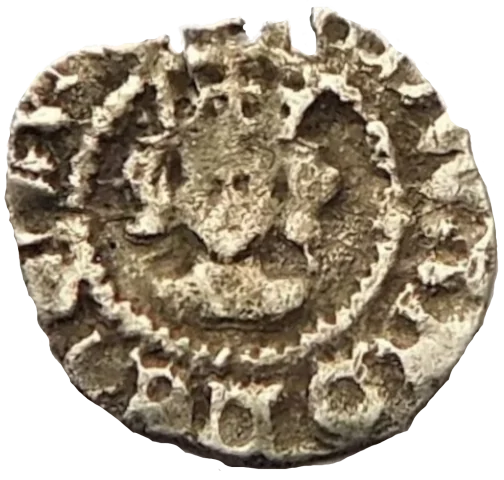
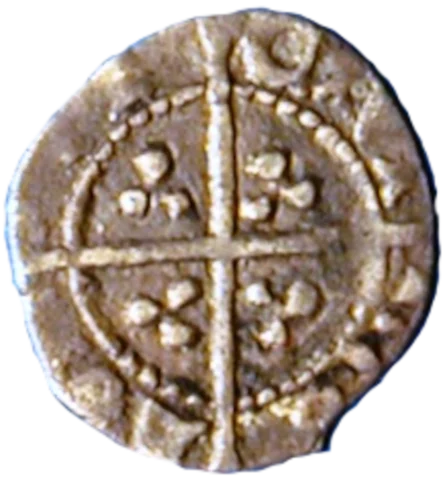
Year(s): 1461-1464
Mint: London
Type: Heavy Coinage
Obverse: EDWARD REX AnGLI
Legend translated: Edward King of England
Reverse: CIVITAS LOnDOn "Long Cross" with three pellets in each quarter
Dies: H3.5/B
Reference(s): Blunt -; N.-; S.1994B III; Withers 3 var
Scarcity: Extremely rare
Guide Price: £450 (Fine) £1350 (Very Fine)
Coin Examples - Saltire each side of bust
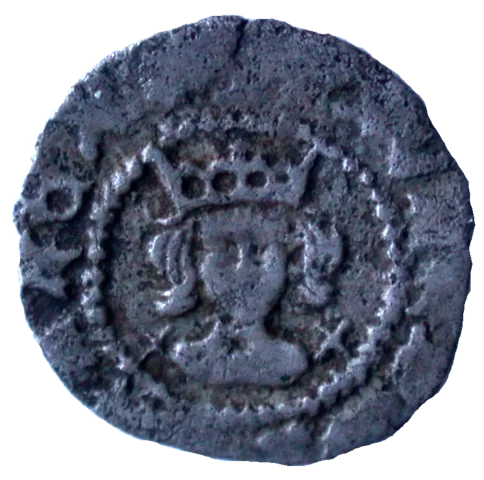
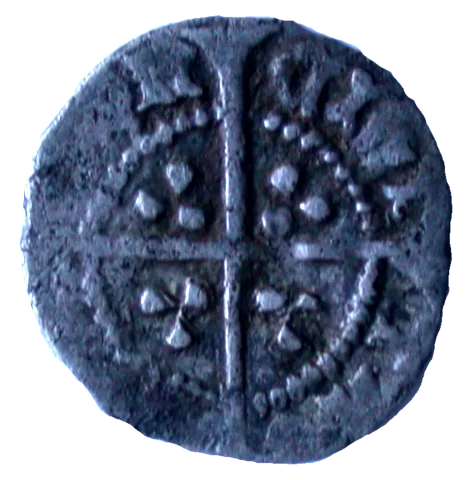
Year(s): 1461-1464
Mint: London
Type: Heavy Coinage
Obverse: EDWARD DI GRA REX
Legend translated: Edward by the grace of God, King
Reverse: CIVITAS LOnDOn "Long Cross" with three pellets in each quarter.
Dies: H4.1/A
Reference(s): Blunt -; N.-; S.1994A II; Withers 4.1/a
Scarcity: Extremely rare
Guide Price: £475 (Fine) £1400 (Very Fine)
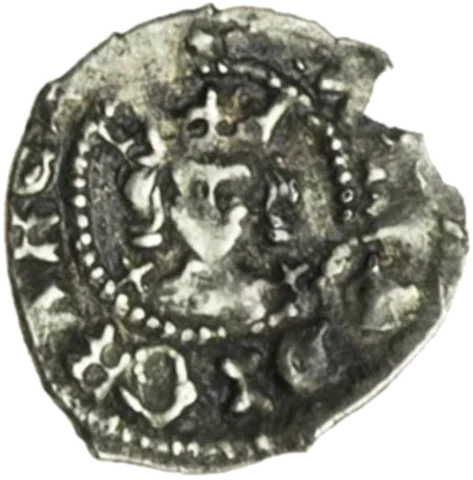
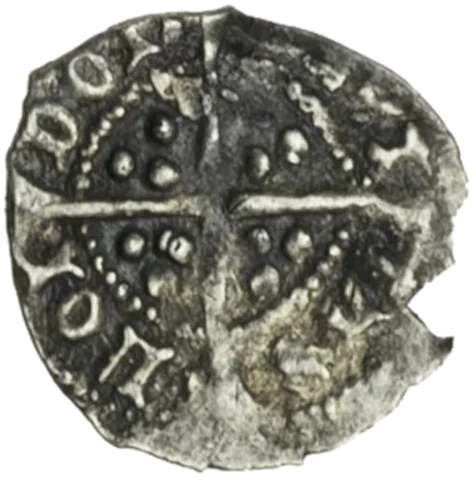
Year(s): 1461-1464
Mint: London
Type: Heavy Coinage
Obverse: EDWARD DI GRA REX
Legend translated: Edward by the Grace of God, King
Reverse: CIVITAS LOnDOn "Long Cross" with three pellets in each quarter and extra pellet in CIVI & LON quarters
Dies: H4.1/B
Reference(s): Blunt -; N.-; S.1994A II; Withers 4.1 var
Scarcity: Extremely rare
Guide Price: £475 (Fine) £1400 (Very Fine)
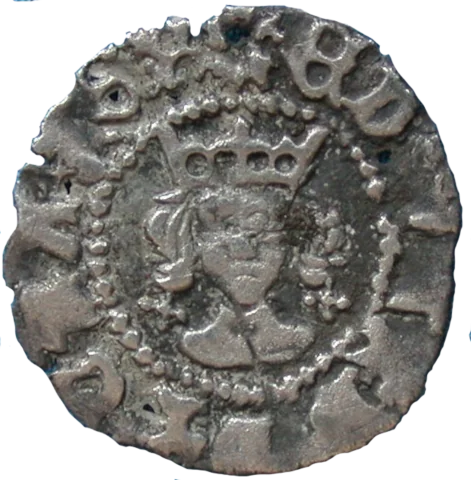
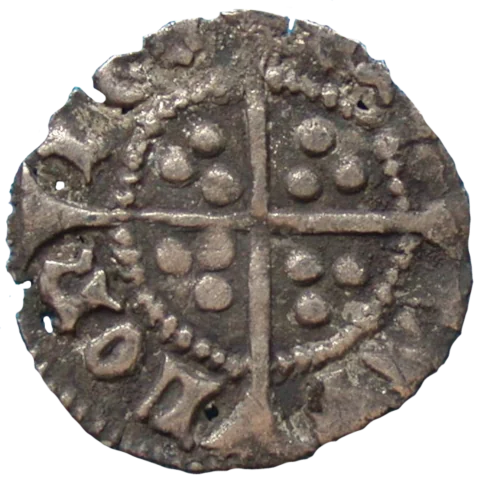
Year(s): 1461-1464
Mint: London
Type: Heavy Coinage
Obverse: EDWARD DI GRAx RSX
(Pellet either side of crown - S instead of E in REX)
Legend translated: Edward by the Grace of God, King
Reverse: CIVITAS LOnDOn "Long Cross" with three pellets in each quarter.
Dies: H4.2/A
Reference(s): Blunt -; N.-; S.1994A II; Withers 4 var
Scarcity: Extremely rare
Guide Price: £475 (Fine) £1400 (Very Fine)
Coin Characteristics: Light Coinage - Crown mintmark
- Metal: Silver
- Denomination: Farthing (¼ penny)
- Mint(s): London
- Obverse: Crowned bust, i.m. Crown
- Reverse: Long cross with 3 pellets in each quarter
- Coin diameter: 11mm
- Inner circle diameter: 6mm
- Weight: 0.18g
Coin Examples - Trefoil each side of bust
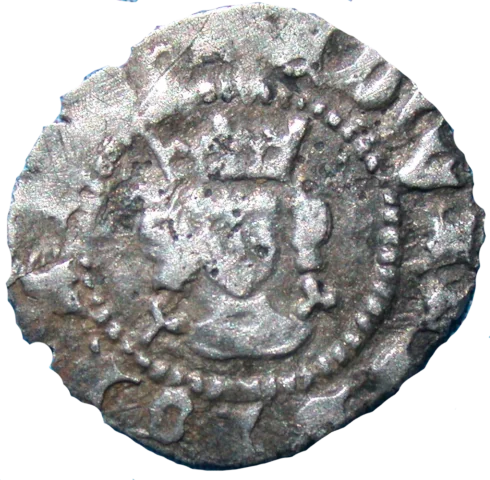
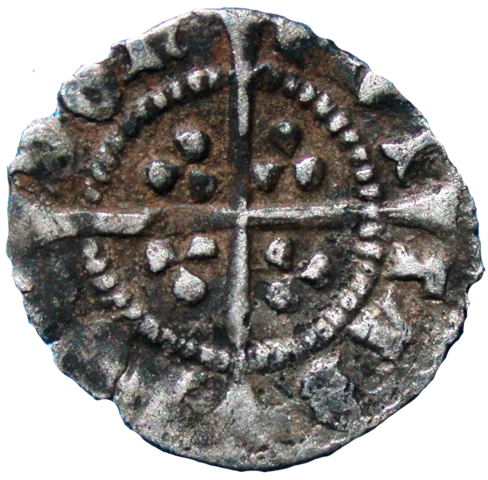
Year(s): 1464-1470
Mint: London
Type: Light Coinage
Obverse: EDWARD DI' GRA REX
Legend translated: Edward by the grace of God, King
Reverse: CIVITAS LOnDOn "Long Cross" with three pellets in each quarter.
Dies: L1.1/A
Reference(s): Blunt -; N.1612/1; S.2077; Withers 1.1/a
Scarcity: Extremely rare
Guide Price: £500 (Fine) £1500 (Very Fine)
Coin Characteristics: Second Reign Coinage - Pierced Cross mintmark
- Metal: Silver
- Denomination: Farthing (¼ penny)
- Mint(s): London
- Obverse: Crowned bust, i.m. Pierced cross
- Reverse: Long cross with 3 pellets in each quarter
- Coin diameter: 11mm
- Inner circle diameter: 6mm
- Weight: 0.18g-0.25g
Coin Examples - No marks by bust
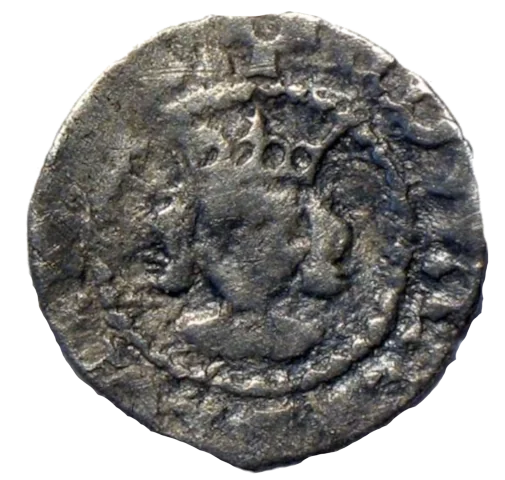
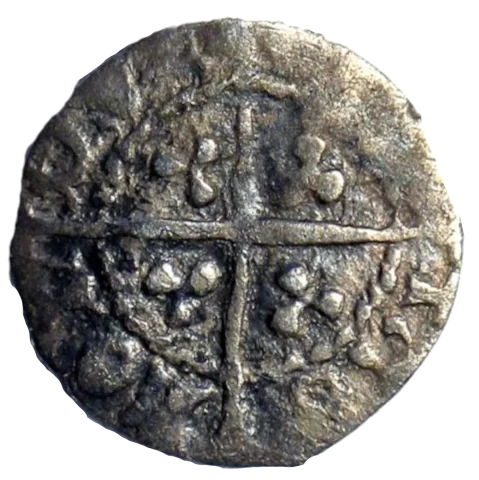
Year(s): 1470-1471
Mint: London
Type: Second Reign - Pierced Cross
Obverse: +EDWARD DI GRA REX
Legend translated: Edward by the grace of God, King
Reverse: CIVITAS LOnDOn "Long Cross" with three pellets in each quarter.
Dies: P1.1/A
Reference(s): Blunt -; N.-; S.-; Withers 1.1/a
Scarcity: Extremely rare
Guide Price: £750 (Fine) £4500 (Very Fine)
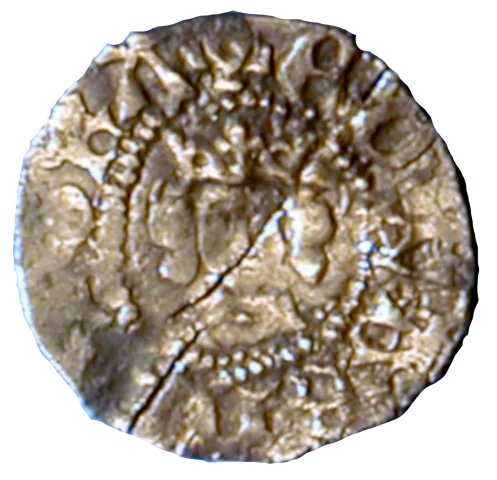
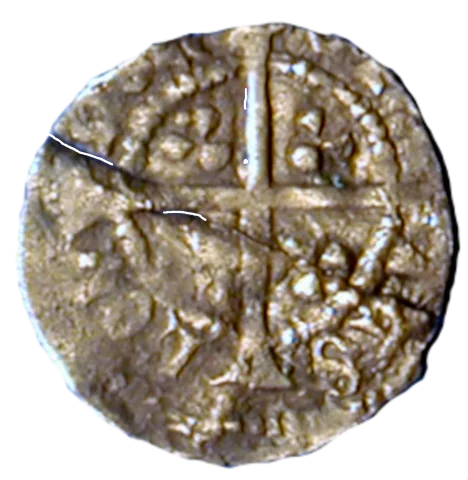
Year(s): 1470-1471
Mint: London
Type: Second Reign - Pierced Cross
Obverse: +EDWARD DI GRA REX
Legend translated: Edward by the grace of God, King
Reverse: CIVITAS LOnDOn "Long Cross" with three pellets in each quarter and extra pellet in the TAS & DON quarters.
Dies: P.1.2/B
Reference(s): Blunt -; N.-; S.-; Withers 1.1 var
Scarcity: Extremely rare
Guide Price: £750 (Fine) £4500 (Very Fine)
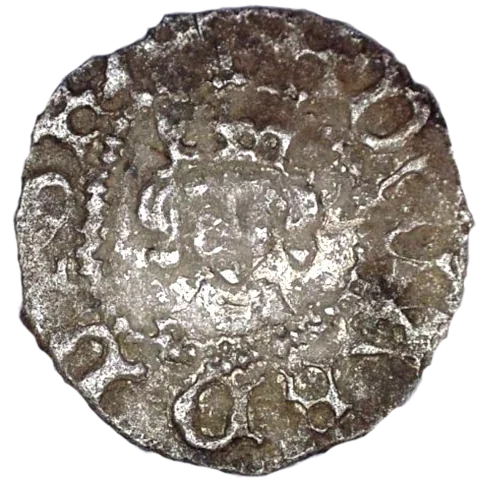
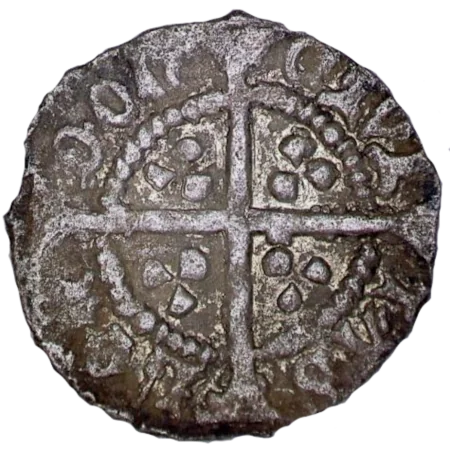
Year(s): 1470-1471
Mint: London
Type: Second Reign - Pierced Cross
Obverse: +EDWARD DI GRA
Legend translated: Edward by the grace of God
Reverse: CIVITAS LOnDOn "Long Cross" with three pellets in each quarter and extra pellet in DON quarter.
Dies: P1.2/C
Reference(s): Blunt -; N.-; S.-; Withers -
Scarcity: Extremely rare
Guide Price: £750 (Fine) £4500 (Very Fine)
Corpus of Coins
Abbreviations
- Ash. — Ashmolean Museum
- BM — British Museum
- Fitz. — Fitzwilliam Museum
- FPL — Fixed Price List
- PC — Private Collections
- wnr — weight not recorded
- H — Heavy Coinage
- L — Light Coinage
- P — Second Reign (restored)
H1.1a:
+EDWARD REX AnGLI (Lis on breast - pellet either side of crown) / CIVITAS LOnDOn (extra pellets in the TAS & DON quarters)
2* Fitz.; wnr
3 PC; detectorist find, Caistor, Lincolnshire, 2012 (ref. UKDFD 39173); 0.26g/9h
H1.1b:
+EDWARD REX AnGLI (Lis on breast - pellet either side of crown) / CIVITAS LOnDOn (extra pellets in the LON & DON quarters)
H1.1c:
+EDWARD REX AnGLI (Lis on breast - pellet either side of crown) / CIVITAS LOnDOn (extra pellet in the DON quarter)
6 BM; BM ref. 1915,0507.444 (acquired 1915); 0.19g
H1.1d:
+EDWARD REX AnGLI (Lis on breast - pellet either side of crown) / CIVITAS LOnDOn (no extra pellets)
8* PC; Mike Vosper, October 2007; 0.22g/1h
9 PC; eBay, July 2003; 0.20g/1h
10 PC; eBay; wnr
11 PC; eBay, September 2011; 0.23/5h
12 Ash.; SNC, vol. CI, no. 9, November 1993, item 7864 > Dr. D.J. Rogers > Ashmolean; 0.21g
13 PC; DNW, Sale 194, 7 September 2021, lot 126; 0.18g/1h
H2.1a:
+EDWARD R AnGLIx / CIVITAS LOnDOn (no extra pellets)
H3.2b:
[rose]EDWARD DI' GRA RE[X] / CIVITAS LOnDOn (no extra pellets)
H3.3c:
[rose]EDWARD DI GRA REX A / CIVITAS LOnDOn (extra pellet in DON quarter)
H3.4d:
[rose]EDWARD DI GRA REX / CIVITAS LOnDOn (extra pellet in LON quarter)
18 PC; Mike Vosper, October/November 2000, item 191; wnr
H3.5b:
[rose]EDWARD DI GRA REX / CIVITAS LOnDOn (no extra pellets)
20 PC; DNW, Sale 346, 27 January 2026, lot 148; 0.24g/6h
21 Ash.; D.J. Rogers > Ashmolean; 0.17g
H4.1a:
[rose]EDWARD DI GRA REX (Saltire either side in lower field) / CIVITAS LOnDOn (no extra pellets)
23 PC; Stone; wnr
H4.1b:
[rose]EDWARD DI GRA REX (Saltire either side in lower field) / CIVITAS LOnDOn (extra pellet in CIVI & LON quarters)
H4.2a:
[rose]EDWARD DI GRAx RSX (S instead of E in REX, Saltire made up from pellets and lines, either side in lower field) / CIVITAS LOnDOn (no extra pellets)
L1.1a:
[crown]EDWARD DI GRA RE (Trefoil either side in lower field) / CIVITAS LOnDOn (no extra pellets)
27* PC; Vosper, May 2011; 0.18g/12h
P1.1a:
[pierced cross]EDWARD DI GRA REX / CIVITAS LOnDOn (no extra pellets)
29* PC; Essex Coins, September 2024; 0.25g/2h
P1.2b:
[pierced cross]EDWARD DI GRA / CIVITAS LOnDOn (extra pellet in TAS & DON quarters)
31 PC; Essex Coins, November 2021; 0.21g/7h
P1.2c:
[pierced cross]EDWARD DI GRA / CIVITAS LOnDOn (extra pellet in DON quater)
Unclassified:
34 PC; ex. Tim Everson > Colin Cooke, List 54, item 1043 > Colin Cooke, List 56, item 1297; 0.19g/3h
Footnotes
- Ruding, R. Annals of the Coinage of Britain and Its Dependencies from the Earliest Period of Authentick History to the End of the Fiftieth Year of the Reign of His Present Majesty King George III. Printed and sold by Nichols, Son, and Bentley, 1817: 47↩
- Withers, P. and Withers B. The Galata Guide to Small Change: Hammered Silver Farthings, Halfpennies & Three-Farthings 1279-1660. Llanfyllin, Powys: Galata Print Ltd., 2023.↩
- Mayhew, N.J. "The Monetary Background to the Yorkist Recoinage of 1464-1471." The British Numismatic Journal 44 (1974): 62-73.link(opens in a new tab) ↩
- Carlyon-Britton, R.C. "The Sequence of mint-marks preceding, during, and succeeding the Restoration of Henry VI." The British Numismatic Journal 17 (1923-4): 125-32.link(opens in a new tab) ↩
- Rogers, D.J. "The Norwich Halfpennies." Spink Numismatic Circular, November 1998: 403. ↩
Research & Resources
Contact
For corrections, additional examples, or research enquiries, please email:
admin@hammeredfarthings.co.uk